How to Say "to clap" in Spanish
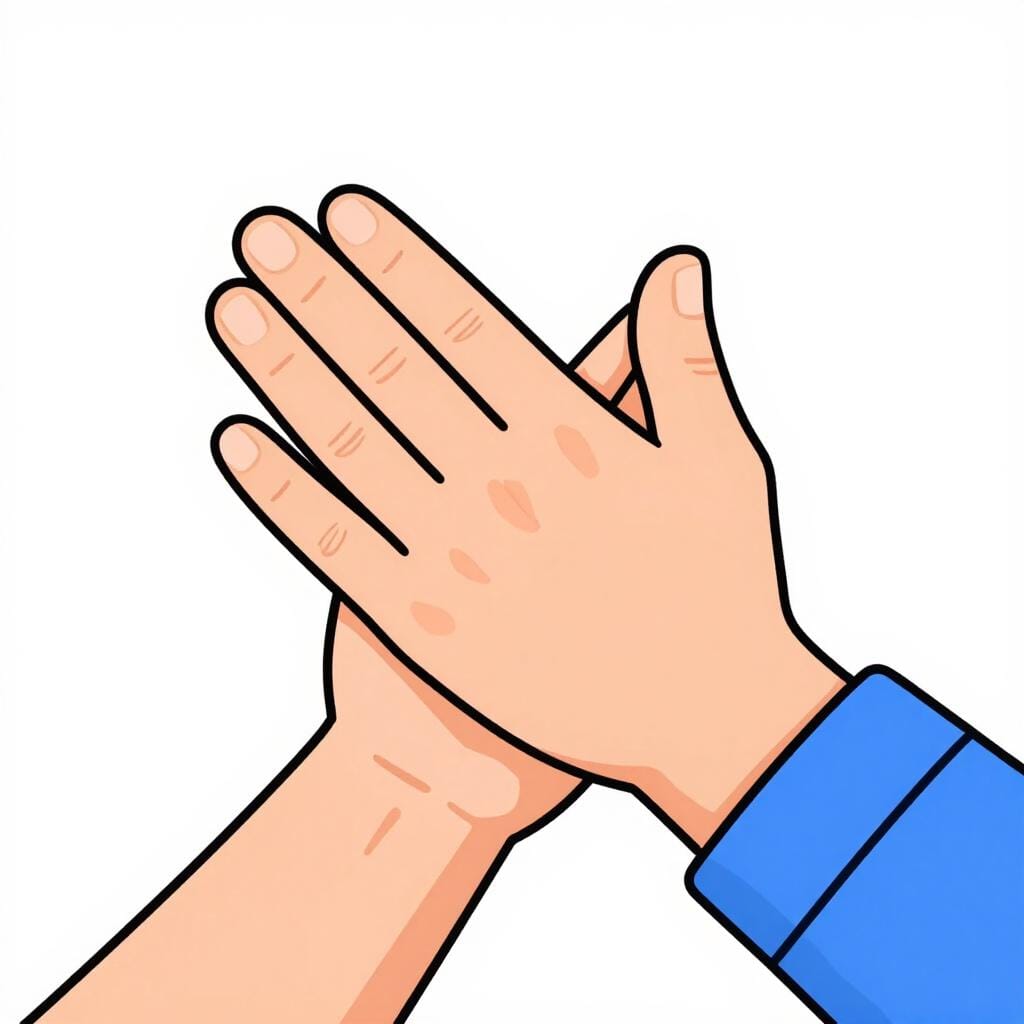
The most common Spanish word for “to clap” is “aplaudir” — use this word when you mean the act of striking your hands together to show approval or appreciation, like an audience after a performance.
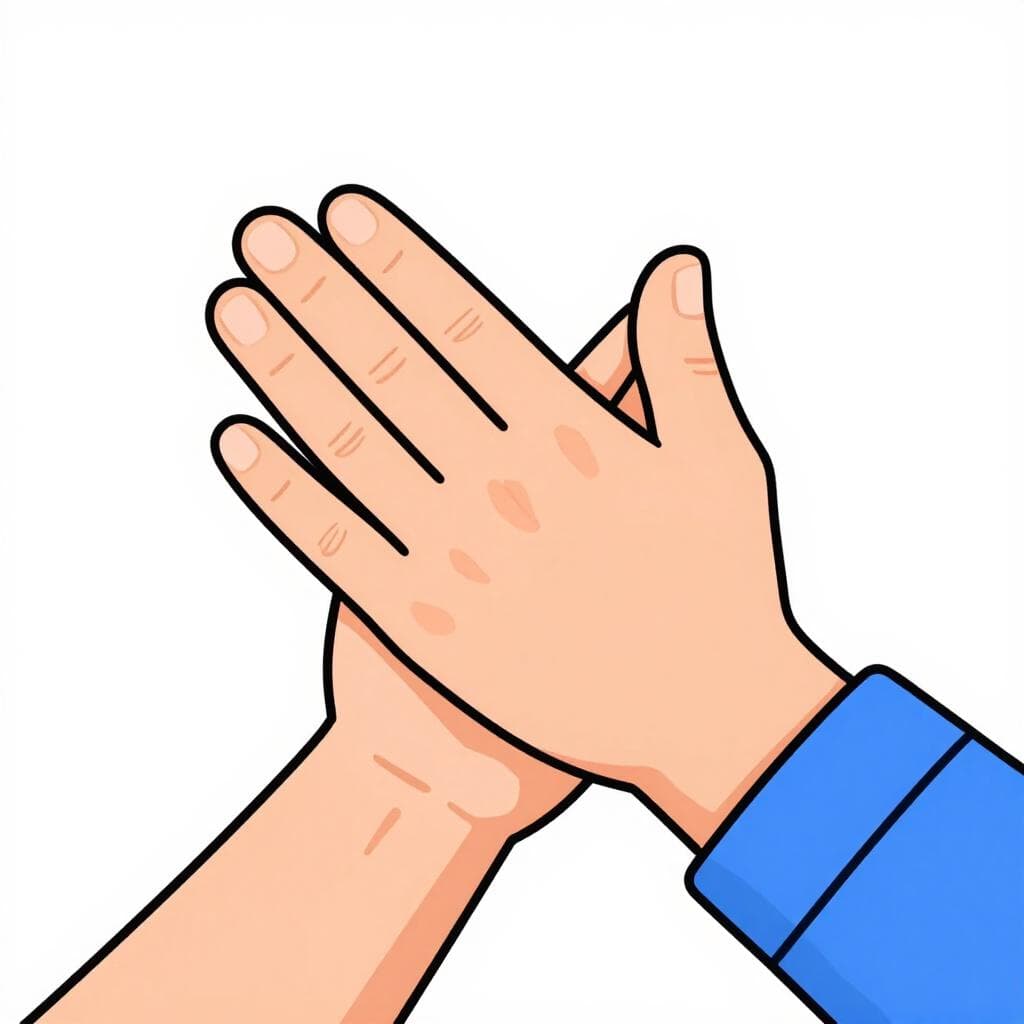
Use this word when you mean the act of striking your hands together to show approval or appreciation, like an audience after a performance.
Learn more →
This word is not used for clapping hands together. It means to beat or strike something, often a record or an opponent, or to whip ingredients.
Learn more →ah-plow-DEERaplawˈðiɾ
Examples
El público empezó a aplaudir después de la canción.
The audience started to clap after the song.
Todos aplaudieron cuando el niño terminó su poema.
Everyone clapped when the boy finished his poem.
Si estás feliz y lo sabes, ¡aplaude!
If you're happy and you know it, clap!
A Regular '-ir' Verb
This verb follows the standard pattern for verbs ending in '-ir', making it easy to predict its forms.
Showing Action for Someone
When you clap FOR someone, use 'a' before the person: 'Aplaudieron al cantante' (They clapped for the singer).
Clapping Your Hands
Mistake: “Hacer aplausos.”
Correction: Just use the verb 'aplaudir'. Unlike English which often uses 'to clap', Spanish users rarely say 'make claps'.
bah-TEERbaˈtiɾ

Examples
El atleta batió el récord mundial ayer.
The athlete broke the world record yesterday.
Nuestro equipo batió al rival en el último minuto.
Our team defeated the rival in the last minute.
El águila bate sus alas con fuerza.
The eagle flaps its wings with force.
The Personal 'A'
When you use 'batir' to mean 'to defeat a person', you must put the word 'a' before the person you defeated. For example: 'Batió a su oponente'.
Breaking Records
Mistake: “Saying 'romper un récord'.”
Correction: While 'romper' is understandable, the more natural and professional way to say 'break a record' in Spanish is 'batir un récord'.
Confusing 'aplaudir' with 'batir'
The most common mistake is thinking 'batir' can also mean to clap your hands. Remember, 'batir' is for beating records or ingredients, never for the physical act of clapping hands together in appreciation.
Related Translations
Learn Spanish with Inklingo
Interactive stories, personalized learning, and more.