How to Say "to blend" in Spanish
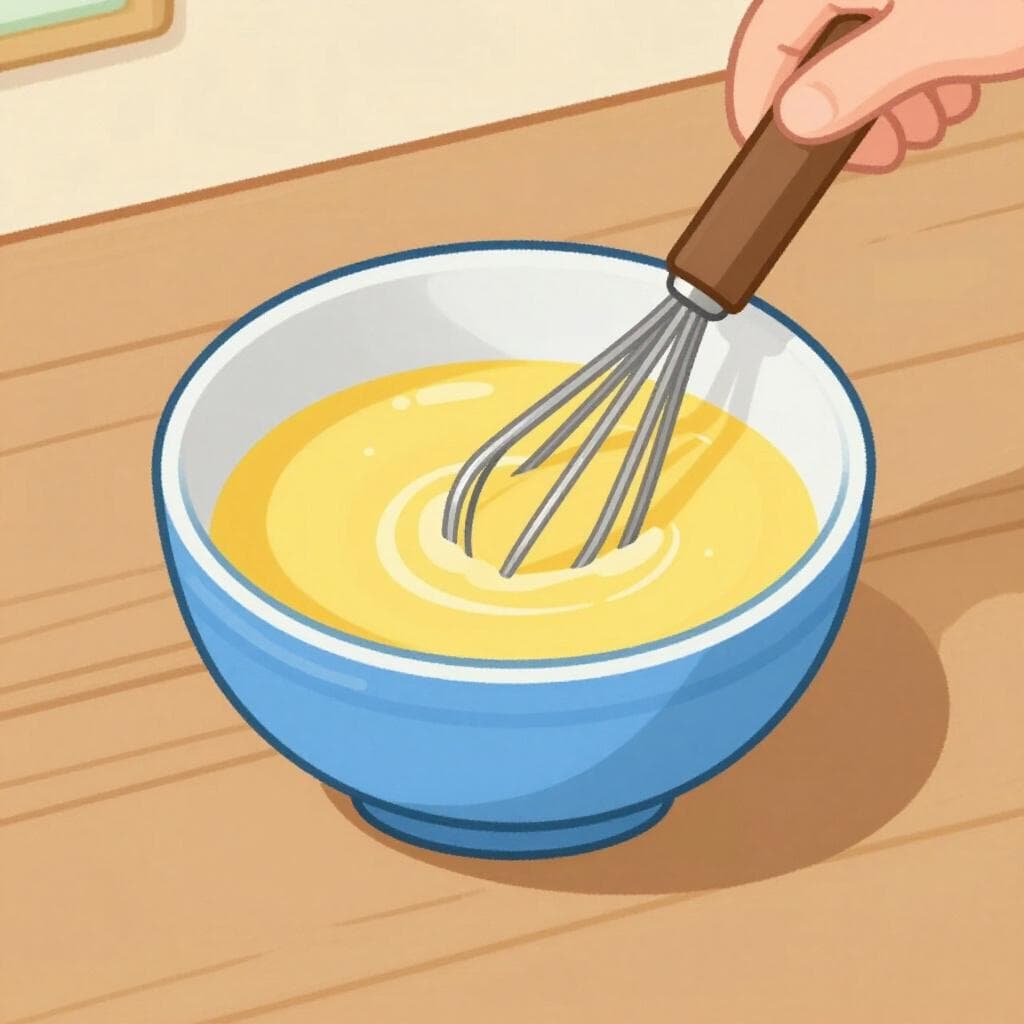
The most common Spanish word for “to blend” is “mezclar” — use 'mezclar' when combining ingredients for cooking or simply mixing different substances or colors together smoothly.




mezclar
mess-KLARmesˈklaɾ

Examples
Tienes que mezclar los huevos con el azúcar.
You have to mix the eggs with the sugar.
Si mezclas azul y amarillo, obtienes verde.
If you mix blue and yellow, you get green.
No mezcles la ropa blanca con la de color.
Don't mix the white clothes with the colored ones.
Using the connector 'con'
When mixing one thing into another, Spanish always uses the word 'con' (with). Example: 'Mezcla el agua con la harina'.
The Z to C spelling swap
To keep the pronunciation smooth, the 'z' in mezclar changes to a 'c' whenever the next letter is an 'e'. This happens in the 'yo' form of the past and all 'special forms' (subjunctive).
Don't use 'en' for ingredients
Mistake: “Mezclo el azúcar en el café.”
Correction: Mezclo el azúcar con el café. In Spanish, you mix something 'with' something else, rather than 'in' it.
batir
bah-TEERbaˈtiɾ
Examples
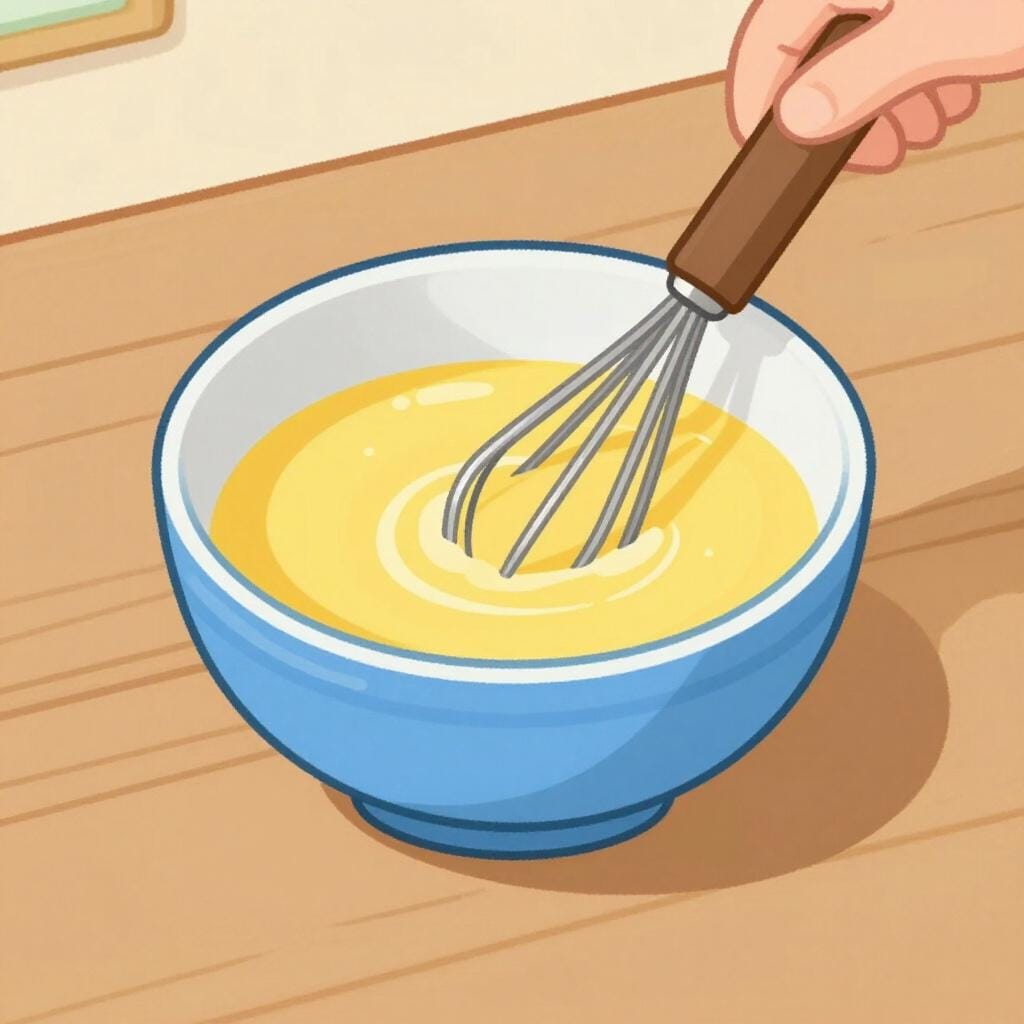
Tienes que batir los huevos para la tortilla.
You have to whisk the eggs for the omelet.
Bate la crema hasta que esté espesa.
Whip the cream until it is thick.
Estamos batiendo la mezcla con mucha energía.
We are beating the mixture with a lot of energy.
A perfectly regular verb
Batir is great because it follows the standard pattern for all verbs ending in -ir. If you know how to conjugate 'vivir', you already know how to conjugate 'batir'!
Direct Action
You don't need a middle word (preposition) between batir and the thing you are mixing. Just say 'Bato los huevos' directly.
Mixing vs. Whisking
Mistake: “Using 'mezclar' for everything.”
Correction: Use 'batir' when you are using a tool or significant speed to combine things. 'Mezclar' is more general; 'batir' is what you do for meringues or omelets.
fusionar
foo-syoh-nahrfusjoˈnaɾ

Examples
Las dos empresas se van a fusionar el próximo mes.
The two companies are going to merge next month.
El restaurante intenta fusionar la comida japonesa con la peruana.
The restaurant tries to blend Japanese food with Peruvian food.
Es posible fusionar estos dos metales a una temperatura muy alta.
It is possible to fuse these two metals at a very high temperature.
Using 'se' with fusionar
When you want to say two things merge into each other, use 'fusionarse'. For example: 'Las piezas se fusionaron' (The pieces merged together).
The 'con' connection
Use 'con' (with) when you are blending one thing into another. 'Fusionamos el jazz con el flamenco' (We blend jazz with flamenco).
Mixing up 'mezclar' and 'fusionar'
Mistake: “Mezclamos las dos compañías.”
Correction: Fusionamos las dos compañías. 'Mezclar' is just mixing; 'fusionar' means they become one whole new entity.
fundir
foon-DEERfunˈdiɾ

Examples
Las dos empresas se fundieron en una gran corporación.
The two companies merged into one large corporation.
El horizonte funde el mar con el cielo.
The horizon blends the sea with the sky.
Se fundieron en un largo abrazo.
They melted/merged into a long embrace.
Metaphorical Melting
Spanish uses 'fundir' metaphorically much like English 'melt'—it implies things are becoming so close they are now one.
matizar
mah-tee-SAHRmatiˈsaɾ

Examples
El pintor matizó las sombras con un tono azulado.
The painter blended the shadows with a bluish tone.
La luz del sol matiza las montañas al atardecer.
The sunlight tints the mountains at sunset.
The 'How' of Mixing
This verb describes a smooth transition. It's not just mixing; it's harmonizing.
General vs. Specific Blending
Related Translations
Learn Spanish with Inklingo
Interactive stories, personalized learning, and more.