How to Say "to cast" in Spanish
The most common Spanish word for “to cast” is “echar” — use 'echar' when referring to the act of throwing something, like a net or a ball.
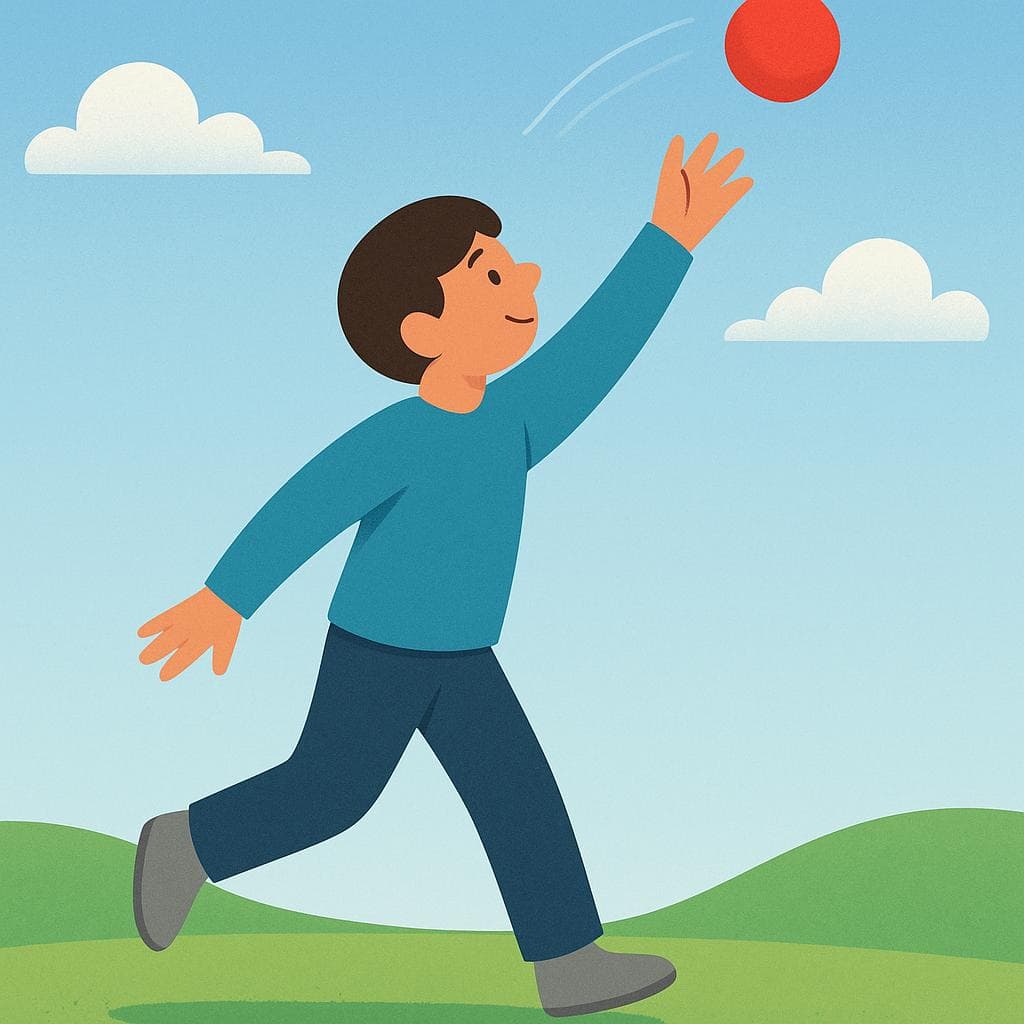
Use 'echar' when referring to the act of throwing something, like a net or a ball.
Learn more →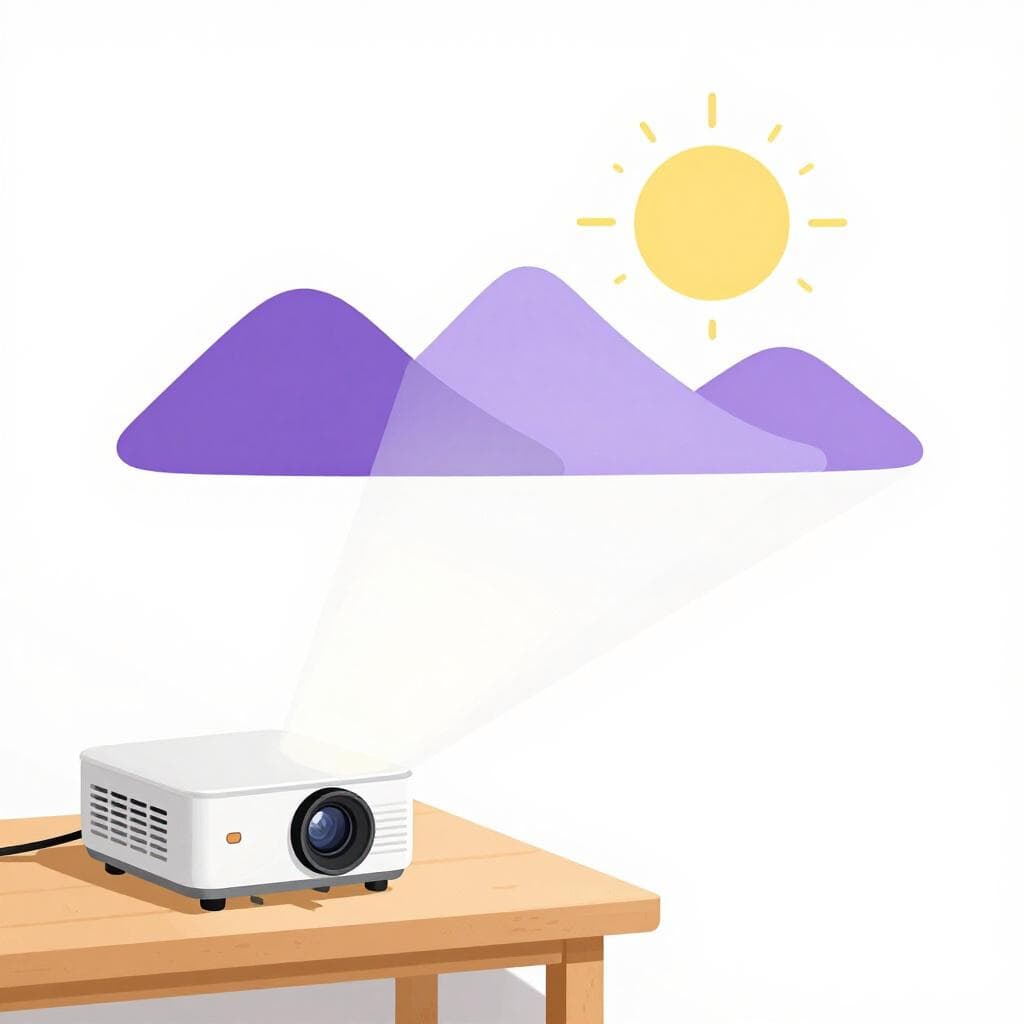
Use 'proyectar' when talking about casting light, a shadow, or a film onto a surface.
Learn more →
Use 'fundir' when the context involves melting a substance, especially metal, to shape it.
Learn more →
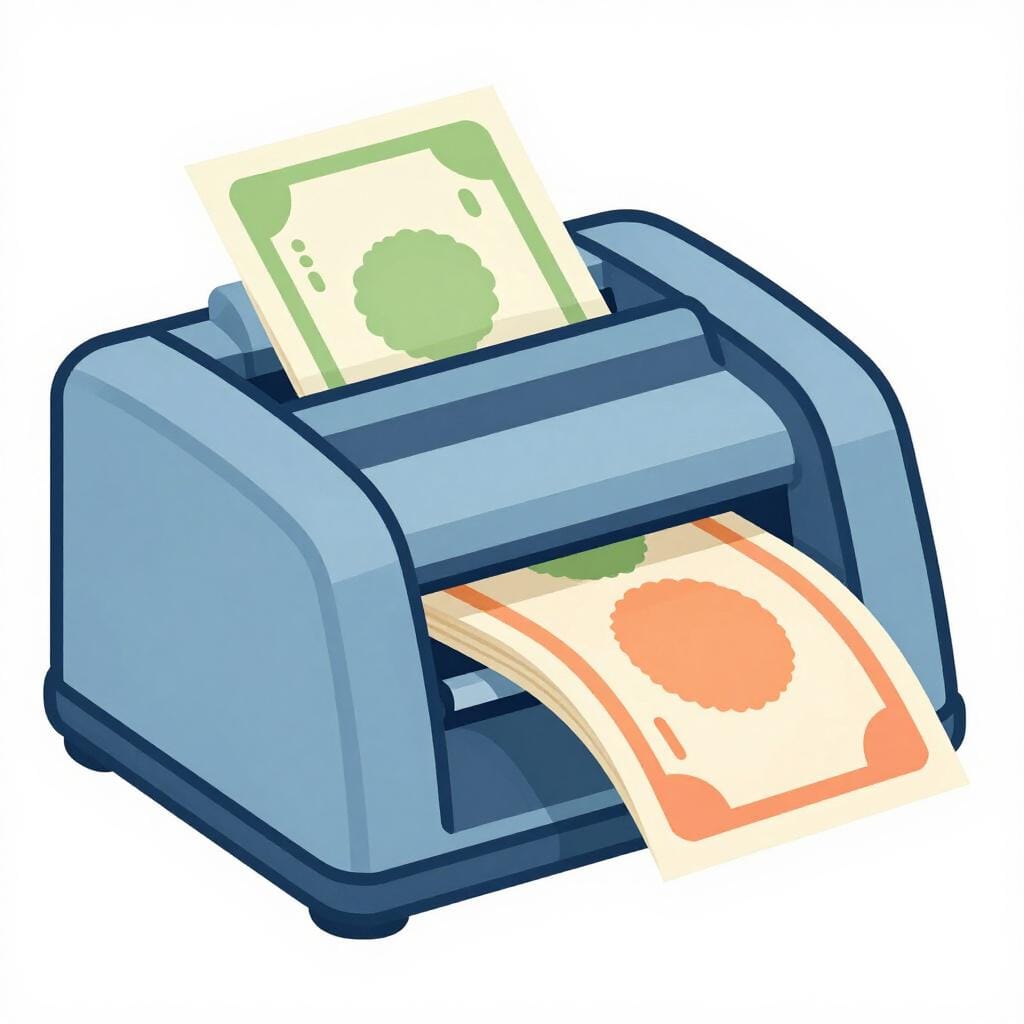
Use 'emitir' for casting votes, or for emitting signals, statements, or broadcasts.
Learn more →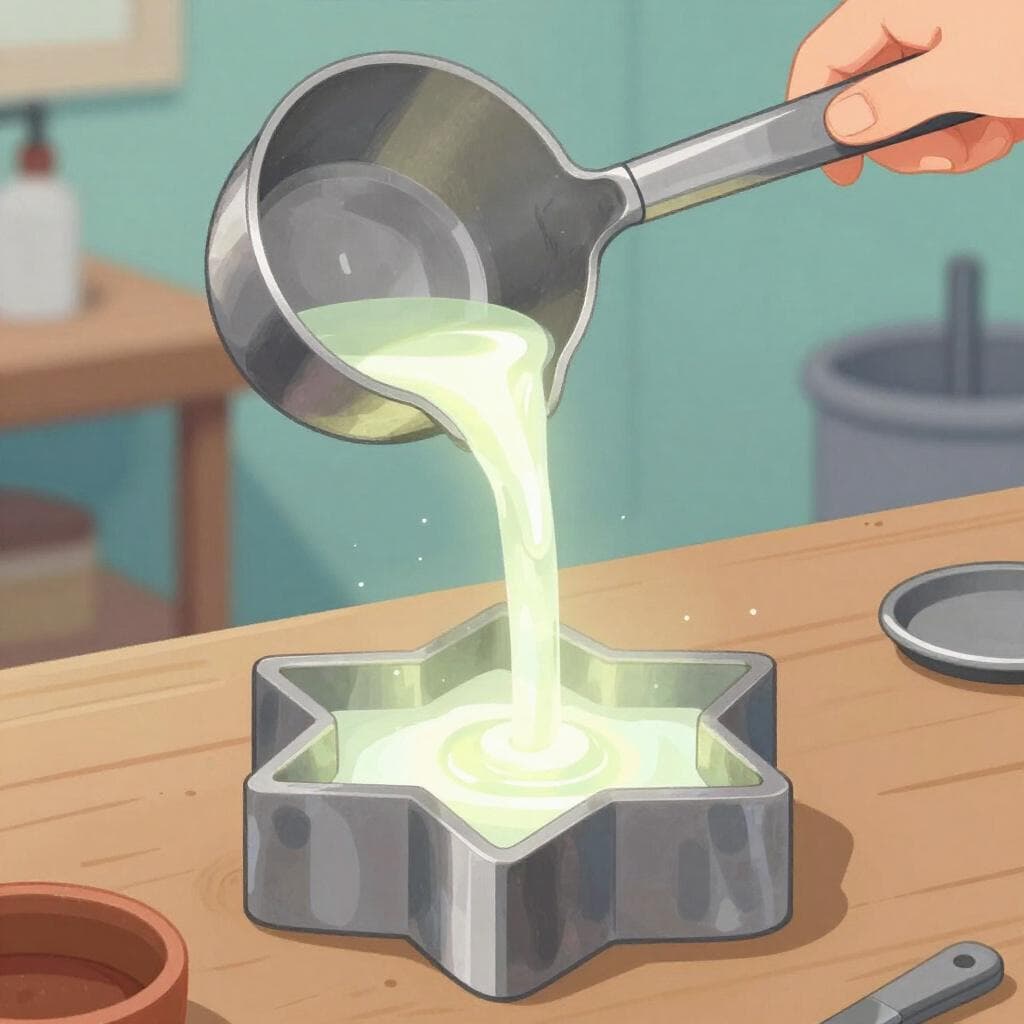
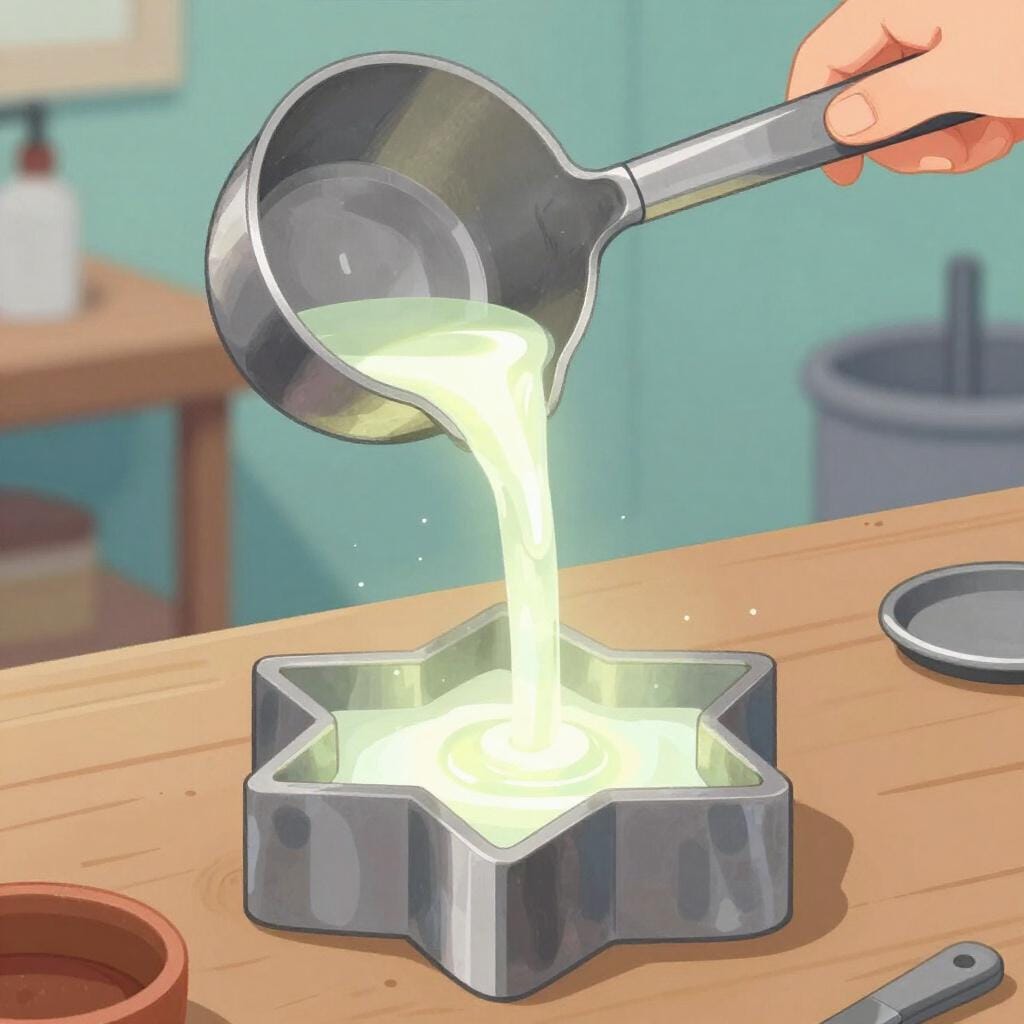
Use 'vaciar' specifically when pouring a liquid or molten material into a mold to create a cast.
Learn more →
Use 'echarle' idiomatically to mean 'to cast' a look or attention, often in the phrase 'echarle un ojo a algo'.
Learn more →eh-CHAReˈt͡ʃaɾ

Examples
Ella echó la red en el mar.
She cast the net into the sea.
Ella echó la pelota al perro en el parque.
She threw the ball to the dog in the park.
Por favor, echa la basura en el contenedor azul.
Please, throw the trash in the blue container.
Literal Action
In its most basic use, 'echar' simply means moving an object through the air, similar to 'tirar' but often implying a less forceful or less destructive action.
pro-yek-TARpɾojekˈtaɾ

Examples
El sol proyectaba una larga sombra.
The sun cast a long shadow.
Van a proyectar la película en la pared del edificio.
They are going to project the movie on the wall of the building.
Estamos proyectando una nueva estrategia de ventas para el próximo año.
We are planning a new sales strategy for next year.
El árbol proyecta una sombra muy larga por la tarde.
The tree casts a very long shadow in the afternoon.
Using 'a' with Proyectar
When talking about projecting an image 'onto' something, use the word 'a' or 'sobre'. For example: 'Proyectar luz sobre la mesa'.
A Regular Powerhouse
This verb follows the standard pattern for all -ar verbs. If you know how to conjugate 'hablar', you already know how to conjugate 'proyectar'!
Planning vs. Doing
Mistake: “Using 'proyectar' when you mean you are actually doing the task right now.”
Correction: Use 'proyectar' for the design or thinking phase. If you are doing it, use 'hacer' or 'realizar'.
foon-DEERfunˈdiɾ

Examples
Fundieron el bronce para hacer la estatua.
They cast the bronze to make the statue.
Tienes que fundir la mantequilla en una sartén.
You have to melt the butter in a pan.
El calor extremo fundió el asfalto de la calle.
The extreme heat melted the asphalt on the street.
Están fundiendo bronce para hacer la estatua.
They are casting bronze to make the statue.
Fundir vs. Fundirse
Use 'fundir' when you are melting something, but use the 'se' version (fundirse) when something is melting on its own, like ice cream in the sun.
Regular -ir Ending
This word follows the standard pattern for verbs ending in -ir, making it very predictable to conjugate.
Using 'fundir' for ice only
Mistake: “El hielo se fundió.”
Correction: While correct, 'derretirse' is much more natural for ice. Use 'fundir' primarily for metals, cheese, or wax.
eh-mee-TEERe.mi.'tiɾ
Examples
El comité emitió un voto de confianza.
The committee cast a vote of confidence.
El gobierno emitió un comunicado oficial.
The government issued an official statement.
Es hora de emitir su voto.
It is time to cast your vote.
El banco va a emitir nuevas tarjetas de crédito.
The bank is going to issue new credit cards.
Formal Issuing
In official settings, use 'emitir' for releasing documents or money. It implies the source has the authority to make it valid.
Don't use for 'to give' (dar)
Mistake: “Me emitió un regalo.”
Correction: Me dio un regalo. 'Emitir' is for formal things like reports or votes, not personal gifts.
bah-syahrbaˈθjaɾ
Examples
El artista vació el metal fundido en el molde.
The artist cast the molten metal into the mold.
El artista vació el bronce en el molde.
The artist cast the bronze into the mold.
Están vaciando el hormigón para los cimientos.
They are pouring/casting the concrete for the foundations.
Technical Usage
Even though 'vaciar' usually means to take out, in technical art/building, it means to fill a mold to create a shape. Think of it as 'emptying' a container of liquid into a specific form.
eh-CHAR-leheˈtʃaɾle

Examples
Échale un vistazo a este documento.
Cast an eye over this document.
Échale un ojo a los niños mientras hago la cena.
Keep an eye on the children while I make dinner.
Si necesitas ayuda, con gusto le echo una mano.
If you need help, I'll gladly lend a hand (to you).
Physical Action vs. Abstract Meaning
Learners often confuse 'echar' (physical throwing) with more abstract uses like casting a vote ('emitir') or casting a shadow ('proyectar'). Always consider if you're physically throwing something or referring to a more figurative or technical action.
Related Translations
Learn Spanish with Inklingo
Interactive stories, personalized learning, and more.