echarle
“echarle” means “to add” in Spanish. It has 3 different meanings depending on context:
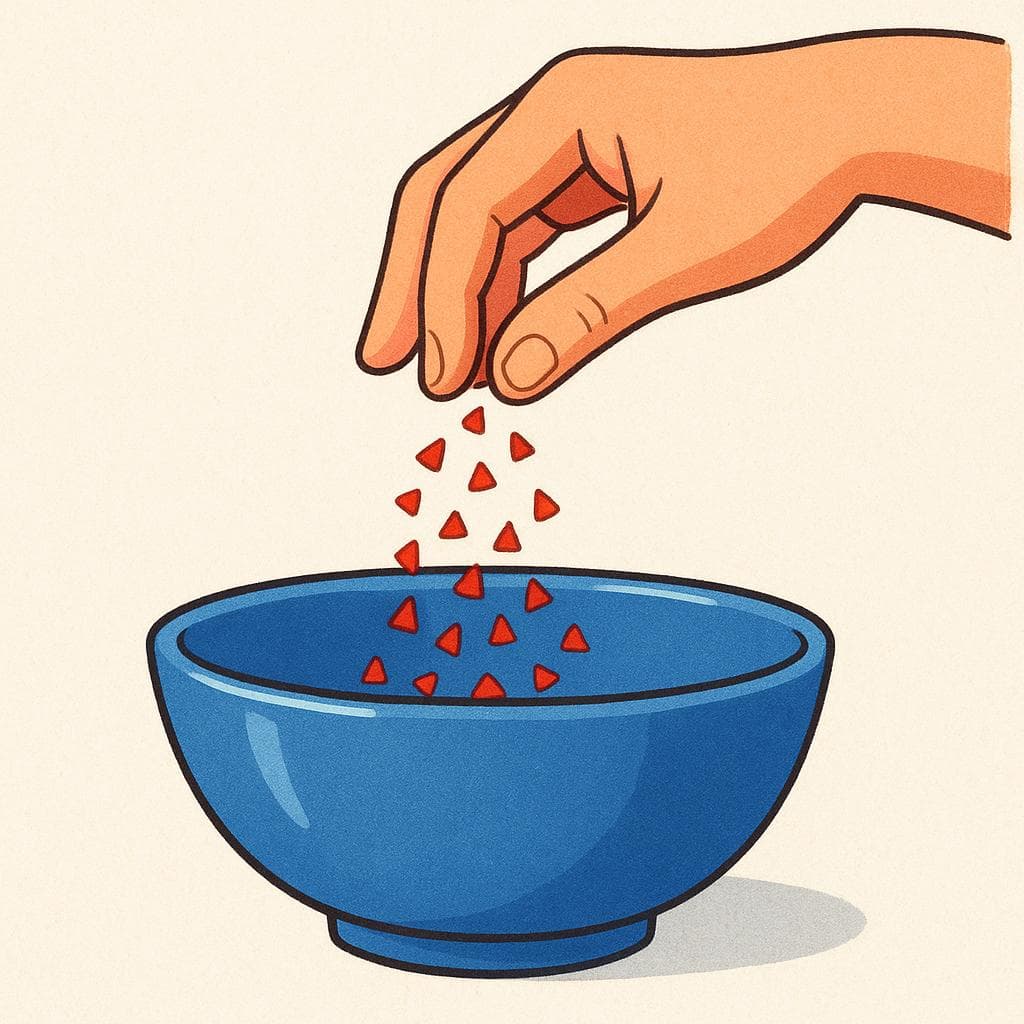
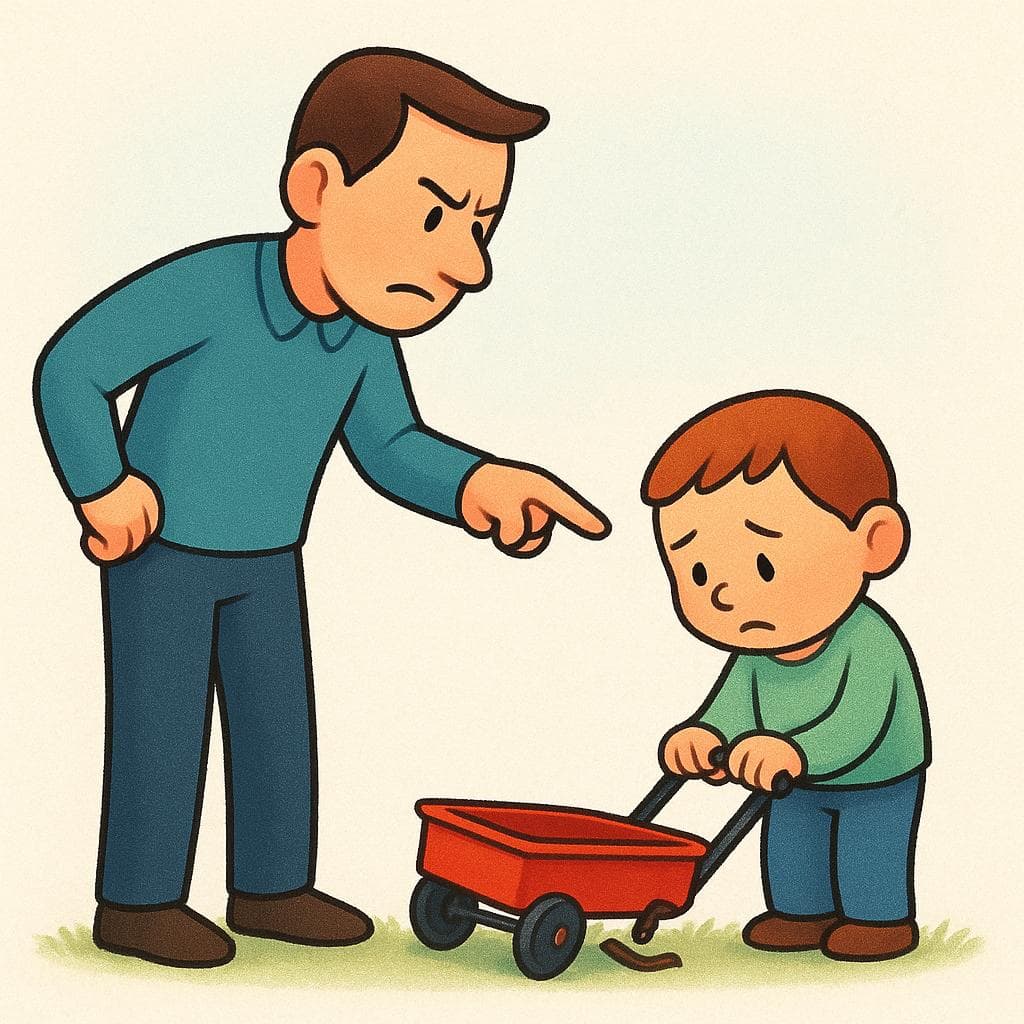

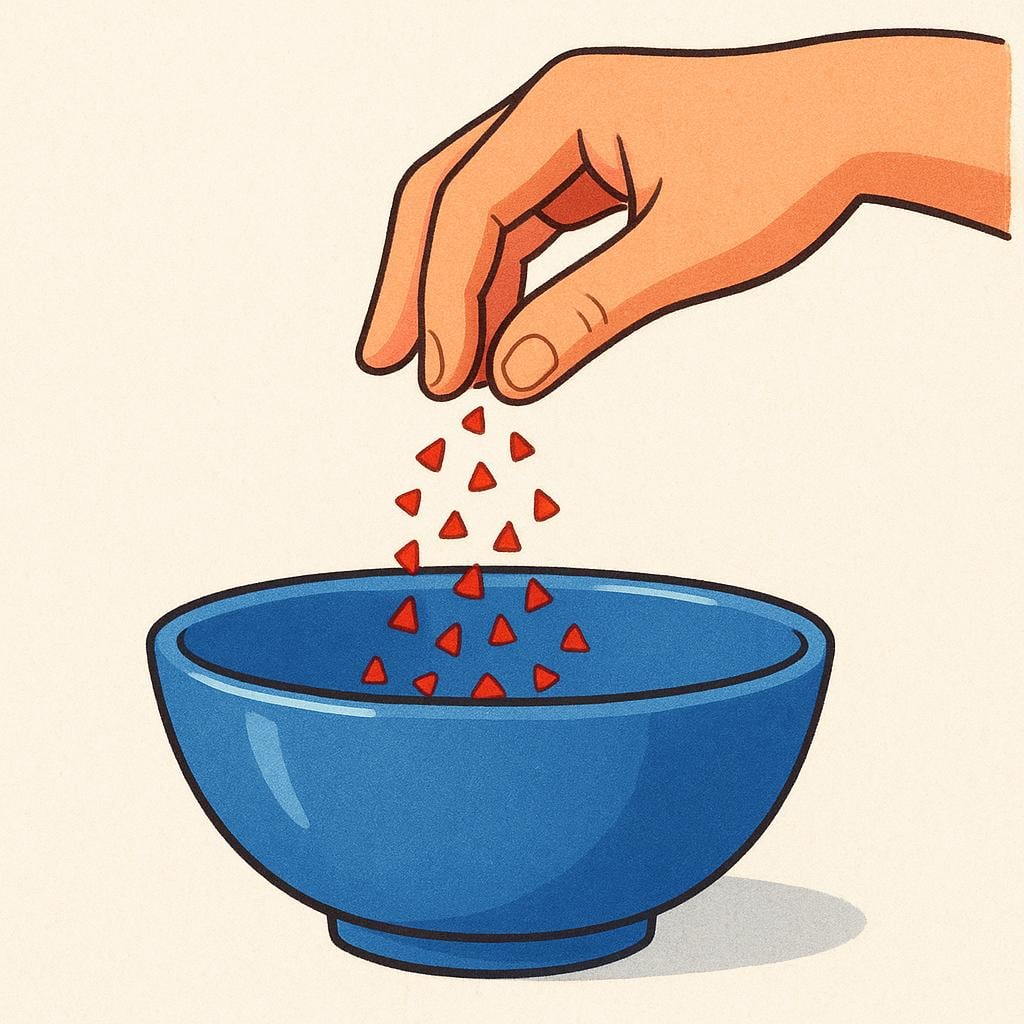
to add, to pourAlso: to put in
📝 In Action
¿Puedes echarle más azúcar al café, por favor?
A2Can you add more sugar to the coffee, please?
No le eches tanta sal a la sopa, ya tiene suficiente.
B1Don't put so much salt in the soup; it already has enough.
Hay que echarle gasolina al coche antes de salir.
A2We have to put gas in the car before leaving.
Word Connections
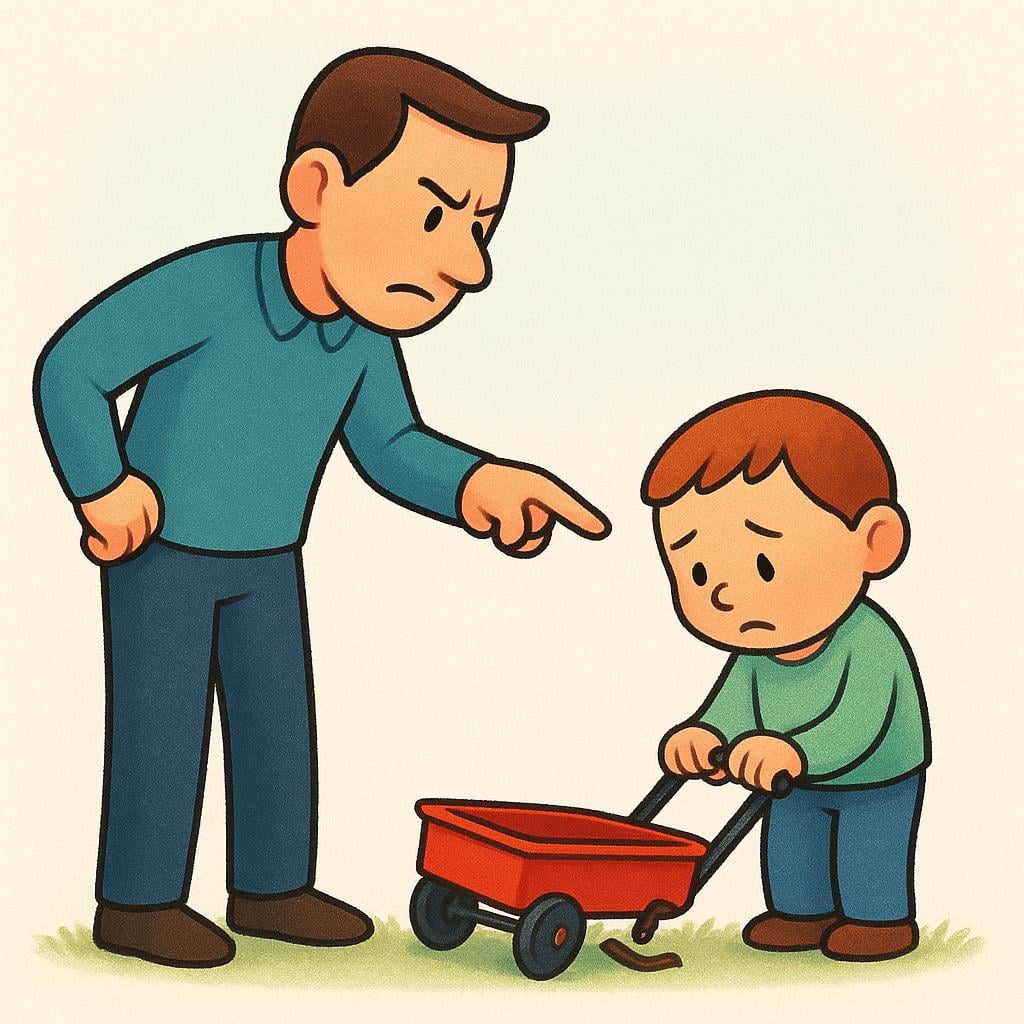
to blame
📝 In Action
Siempre le echa la culpa a su hermano cuando algo sale mal.
B1He always blames his brother when something goes wrong.
No puedes echarle toda la responsabilidad a una sola persona.
B2You can't pin all the responsibility on one person.
Word Connections
to give, to cast

📝 In Action
Échale un ojo a los niños mientras hago la cena.
B2Keep an eye on the children while I make dinner.
Si necesitas ayuda, con gusto le echo una mano.
B2If you need help, I'll gladly lend a hand (to you).
Word Connections
Indicative
Present
Imperfect
Preterite
Subjunctive
Present Subjunctive
Imperfect Subjunctive
Translate to Spanish
✏️ Quick Practice
Quick Quiz: echarle
Question 1 of 2
Which English phrase best translates 'Échale un vistazo a este documento'?
📚 More Resources
👥 Word Family
📚 Etymology
Formed by combining the infinitive verb 'echar' (meaning 'to throw' or 'to cast') with the indirect object pronoun 'le' (meaning 'to him/her/it'). The original Latin root of 'echar' is related to the idea of 'sending out' or 'casting forward,' which explains all its modern uses: casting blame, casting a look, or casting (putting) salt into food.
First recorded: The verb 'echar' is documented in Spanish dating back to the 13th century.
Cognates (Related words)
💡 Master Spanish
Take your Spanish to the next level. Read 200+ illustrated and narrated Spanish stories tailored to your level with the Inklingo app!
Frequently Asked Questions
Why is the pronoun 'le' attached to the end of the verb 'echar'?
Pronouns like 'le' must be attached to the end of the verb when the verb is in its infinitive form ('echar'), its gerund form ('echando'), or in affirmative commands ('echa'). In all other cases (like 'yo echo'), the pronoun goes before the conjugated verb ('yo le echo').
Is 'echarle' the same as 'echar'?
No. 'Echar' just means 'to throw' or 'to cast.' 'Echarle' is the verb plus the indirect object pronoun 'le' (to him/her/it). You need 'le' when the action of throwing/adding is directed *to* something specific, like 'echarle sal' (to throw salt *to it*).