vaciar
“vaciar” means “to empty” in Spanish. It has 2 different meanings depending on context:
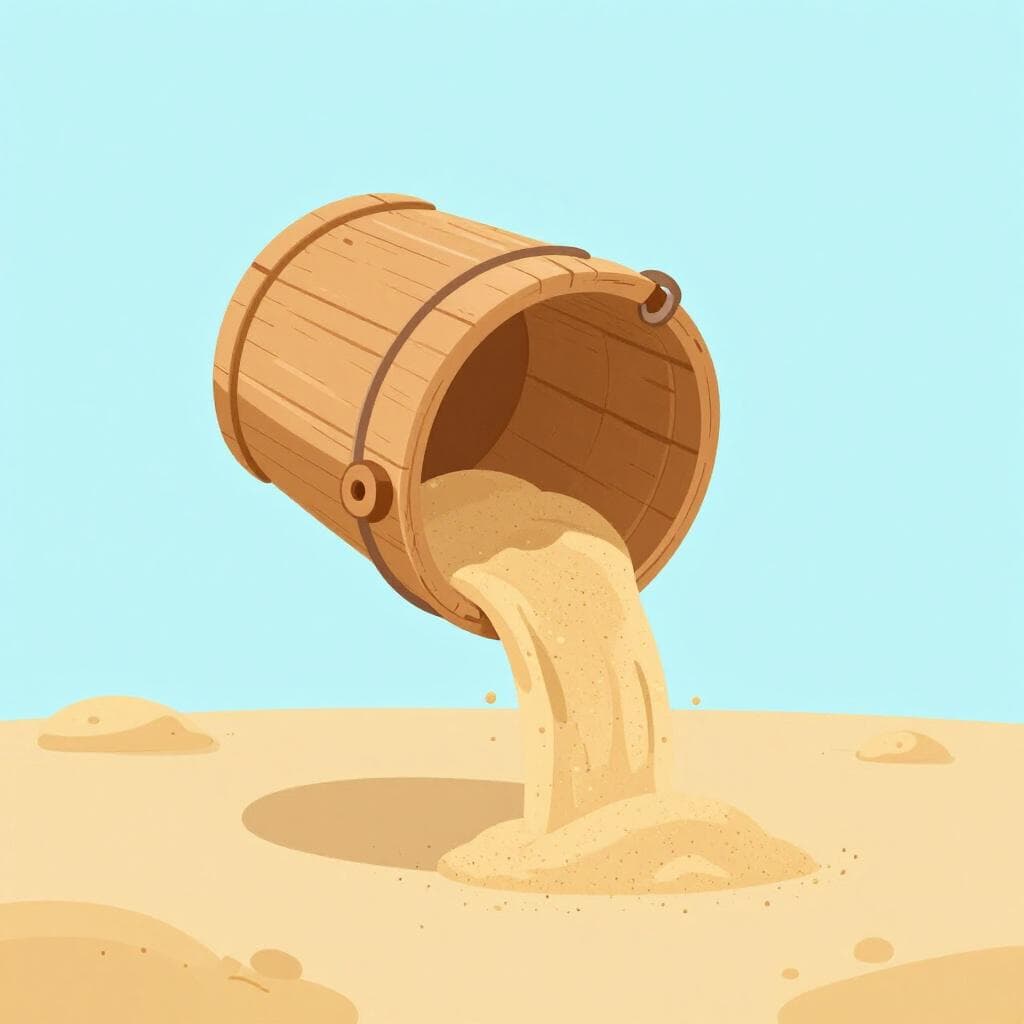
to empty
Also: to clear out, to dump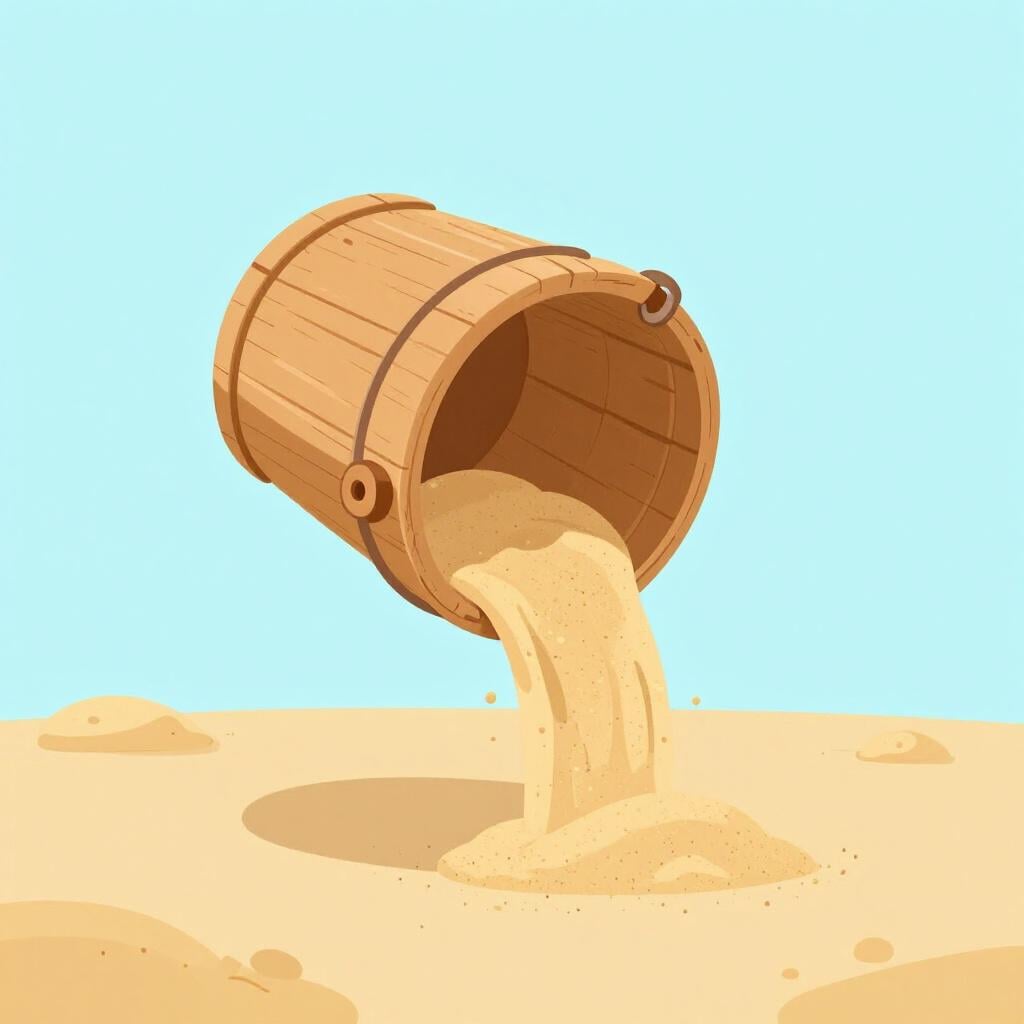
📝 In Action
Necesito vaciar la mochila antes de viajar.
A1I need to empty the backpack before traveling.
Vaciamos toda la casa en un solo fin de semana.
B1We cleared out the whole house in just one weekend.
Por favor, vacía el agua de la cubeta.
A2Please, pour out the water from the bucket.
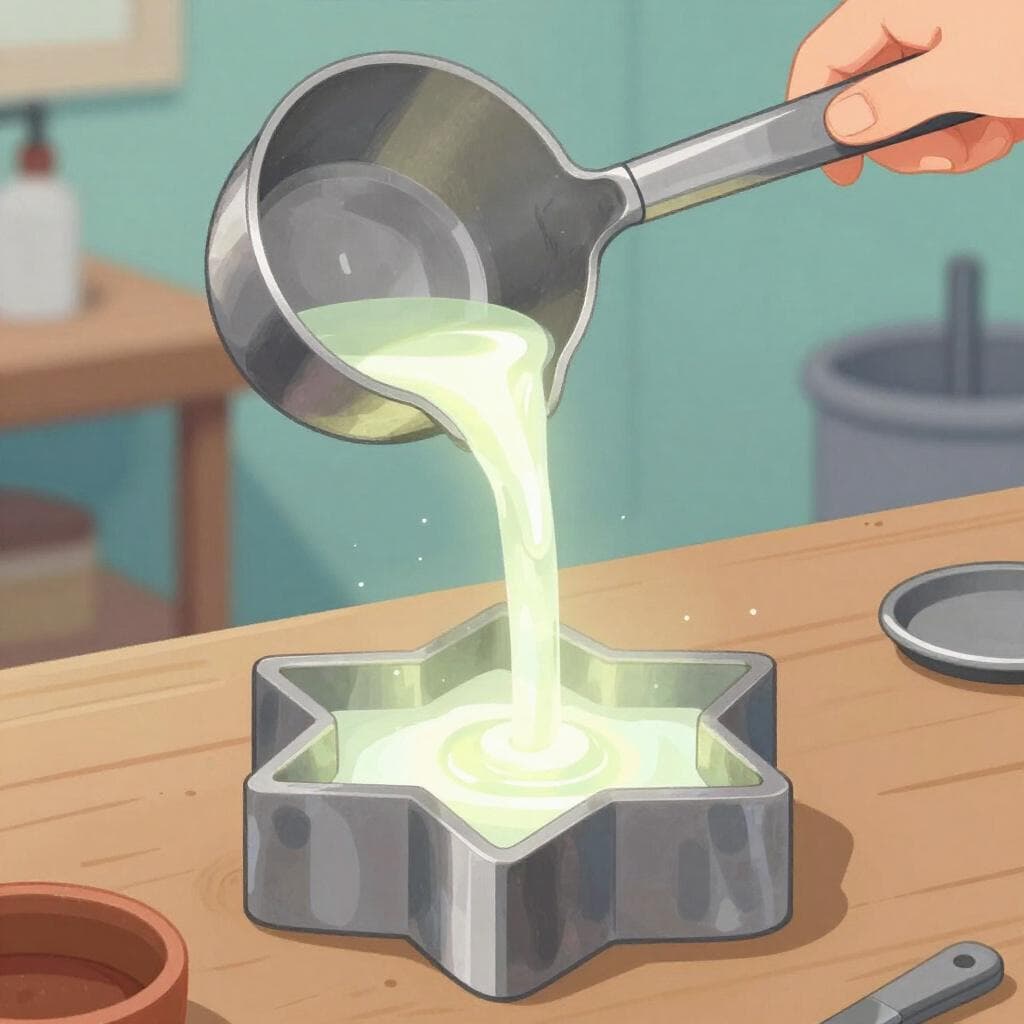
to cast
Also: to mold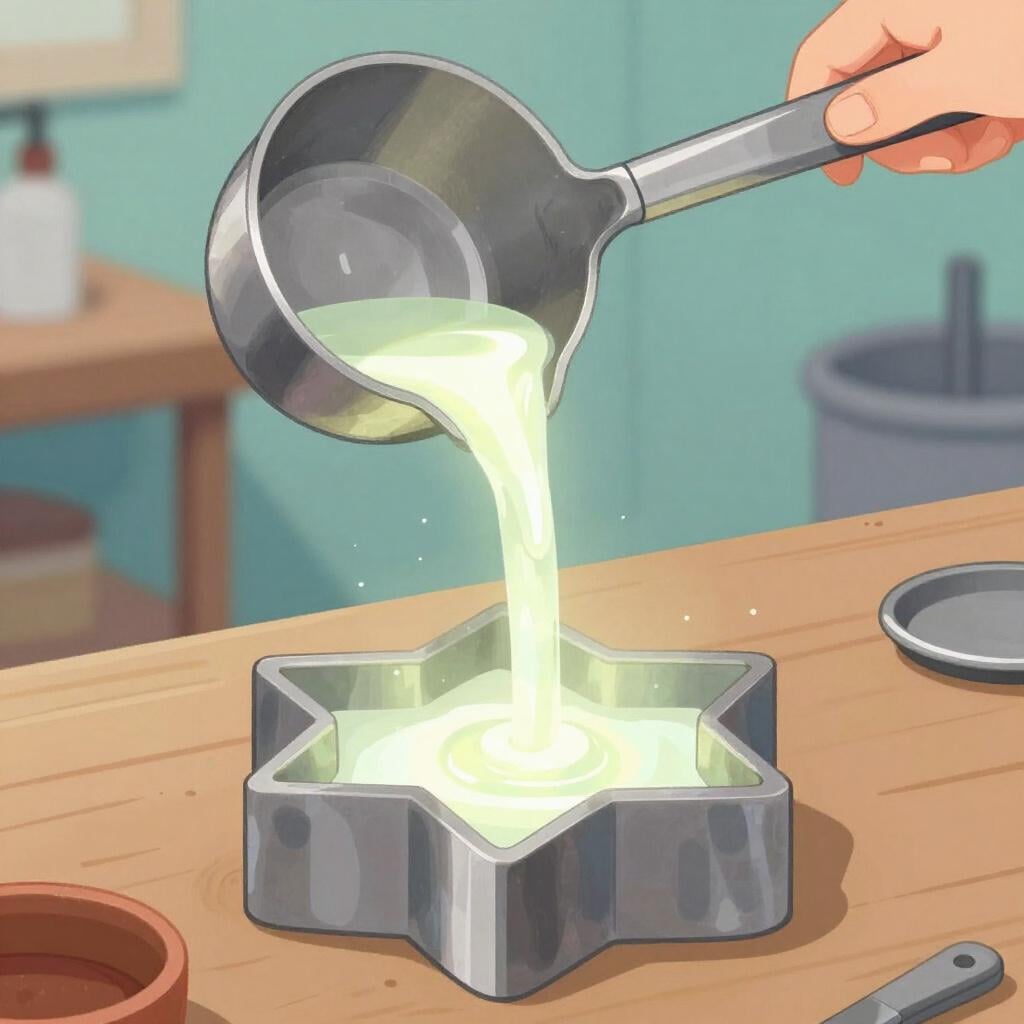
📝 In Action
El artista vació el bronce en el molde.
B2The artist cast the bronze into the mold.
Están vaciando el hormigón para los cimientos.
C1They are pouring/casting the concrete for the foundations.
Subjunctive
Imperfect Subjunctive
Present Subjunctive
Indicative
Preterite
Imperfect
Present
✏️ Quick Practice
Quick Quiz: vaciar
Question 1 of 3
Which of these is the correct way to say 'I empty' in Spanish?
📚 More Resources
👥 Word Family▼
📚 Etymology▼
From the Latin word 'vacuare', which simply means to make something empty or free. It shares the same root as the English word 'vacant'.
First recorded: 13th century
Cognates (Related words)
💡 Master Spanish
Take your Spanish to the next level. Read 200+ illustrated and narrated Spanish stories tailored to your level with the Inklingo app!
Frequently Asked Questions
Does 'vaciar' always need an accent mark?
No, only when the stress falls on the 'i'. For example, 'vaciamos' (we empty) and 'vaciar' (to empty) do not have accents, but 'vacío' (I empty) does.
Can I use 'vaciar' for people?
Only figuratively. 'Vaciarse' (the reflexive form) is used when someone expresses all their emotions or feels completely exhausted.
Is 'vaciar' different from 'desocupar'?
'Vaciar' is more about removing contents from a container. 'Desocupar' is more about leaving a place or making a room available (like moving out of an apartment).