limpiar
“limpiar” means “clean” in Spanish. It has 3 different meanings depending on context:
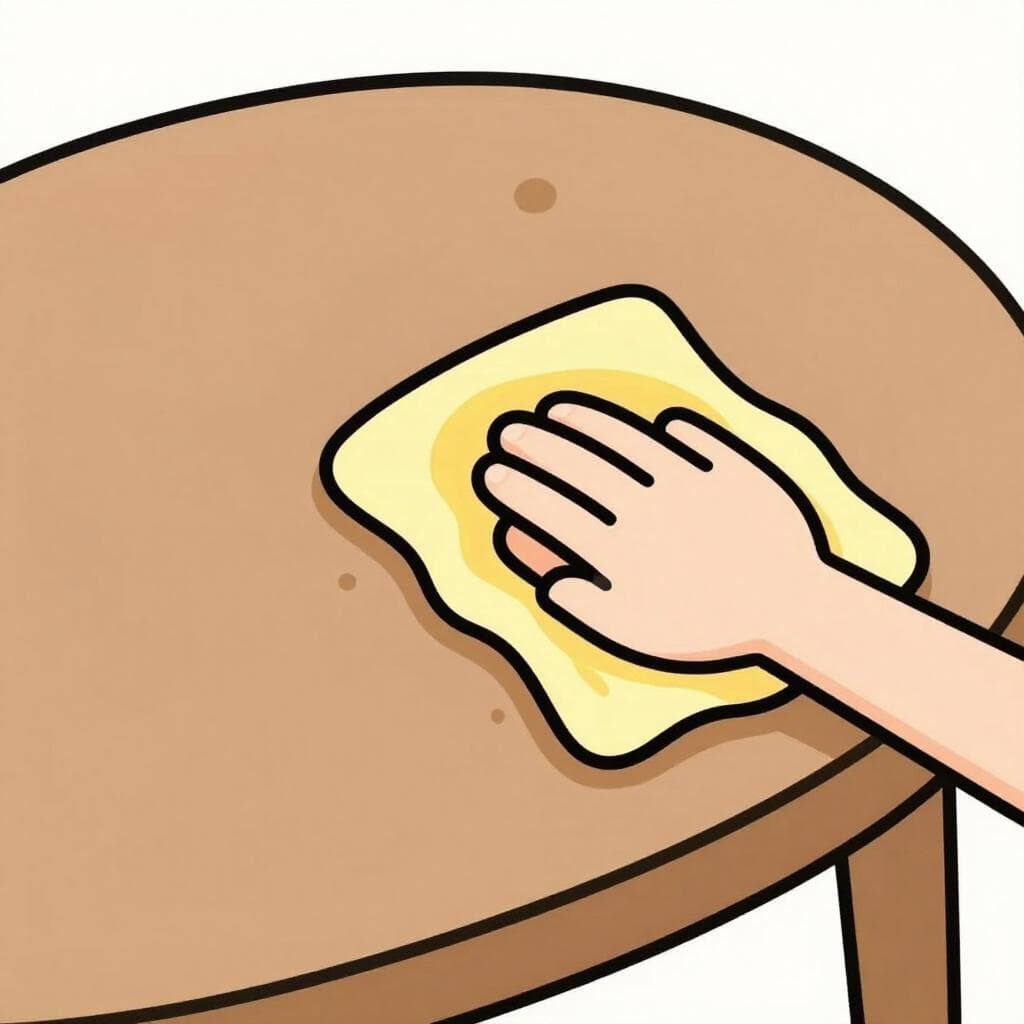

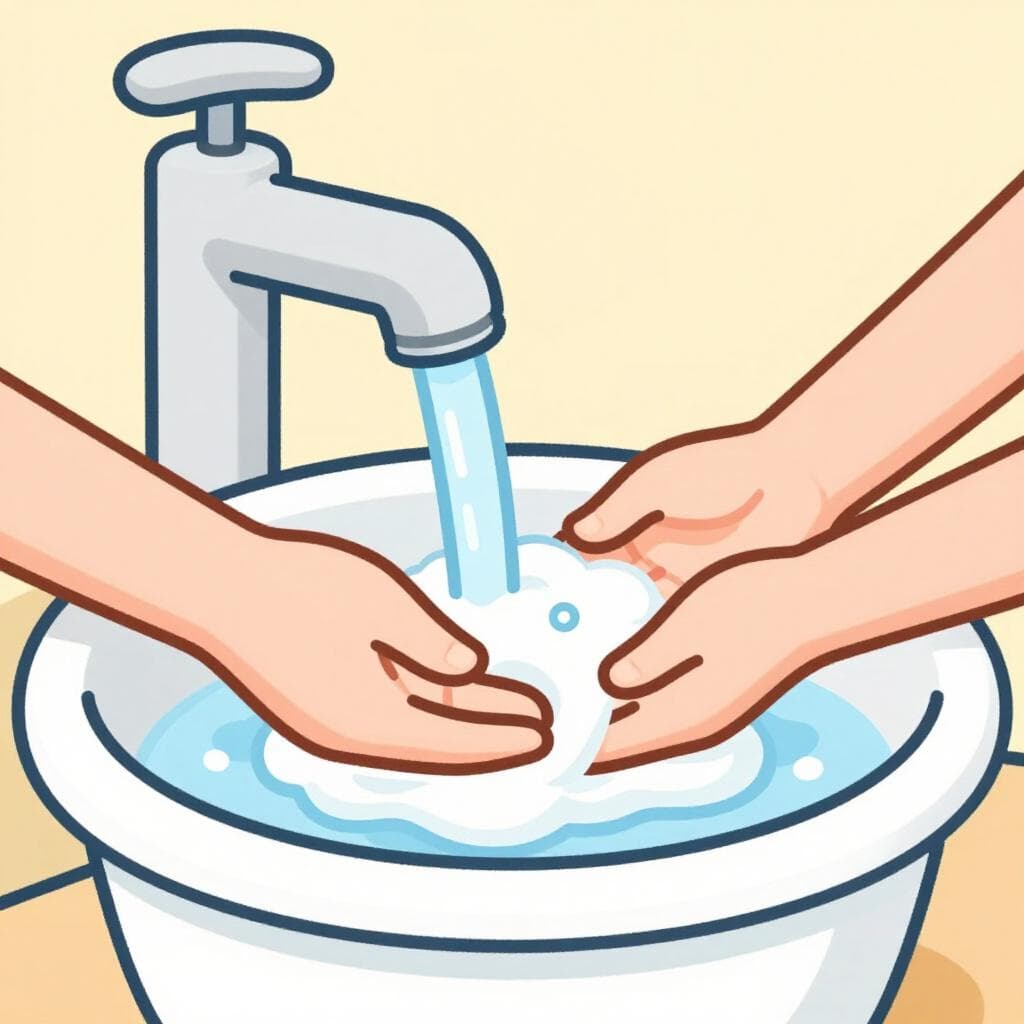
clean
Also: wipe, tidy up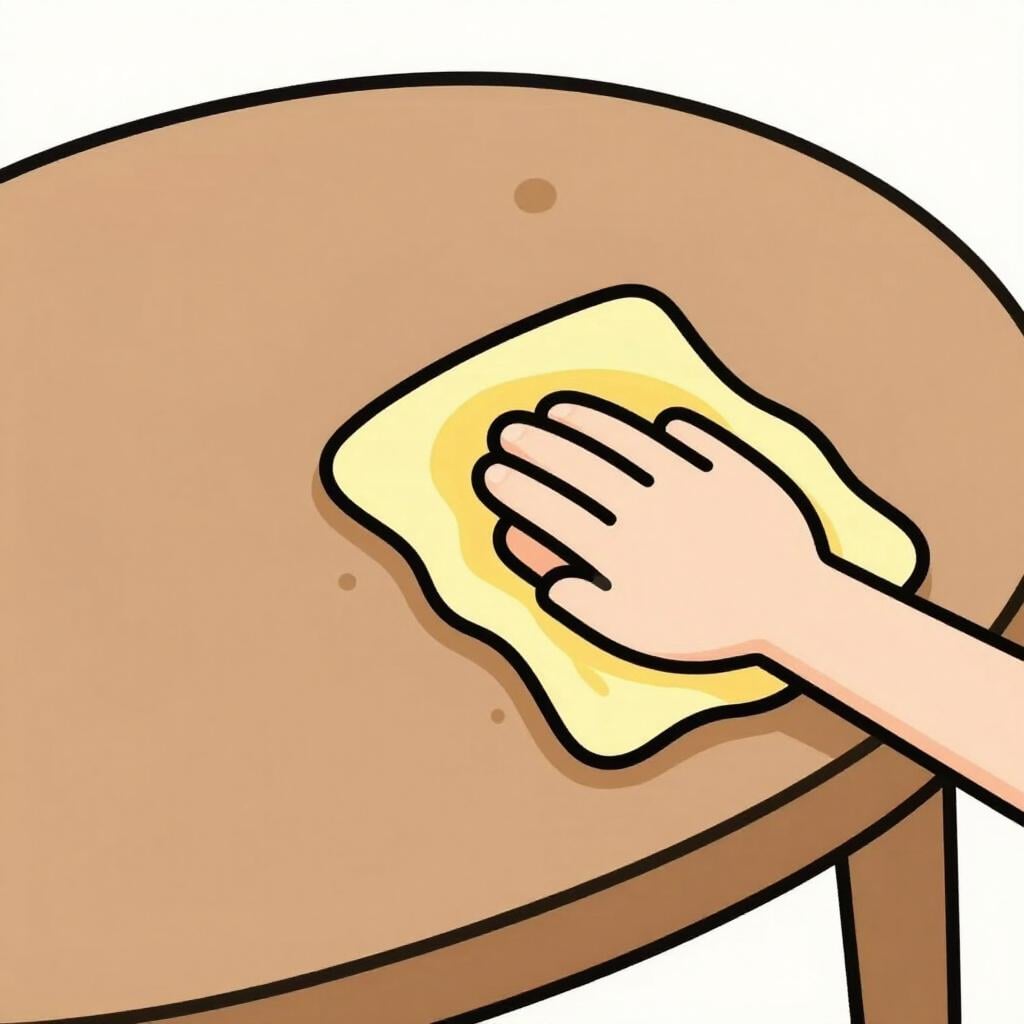
📝 In Action
Necesito limpiar la cocina antes de que lleguen los invitados.
A1I need to clean the kitchen before the guests arrive.
Mi abuela siempre limpia las ventanas con vinagre.
A2My grandmother always cleans the windows with vinegar.
¿Puedes ayudarme a limpiar la mesa después de comer?
A1Can you help me clear/clean the table after eating?
clear, purify
Also: clear out, launder
📝 In Action
El presidente prometió limpiar la corrupción del gobierno.
B2The president promised to clean up the corruption in the government.
Necesitamos limpiar los datos antiguos del sistema.
B1We need to clear out the old data from the system.
Ella está intentando limpiar su reputación después del escándalo.
B2She is trying to clear her reputation after the scandal.
wash (up)
Also: get clean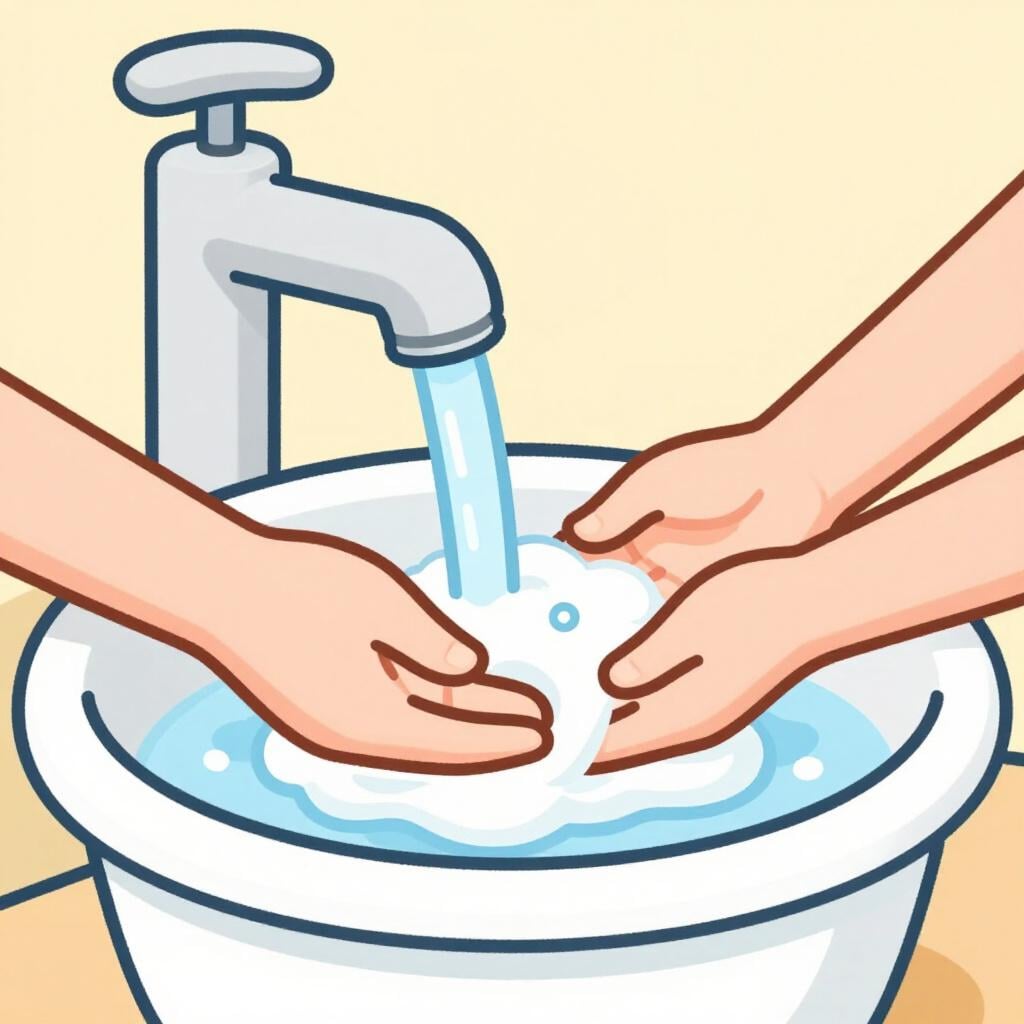
📝 In Action
Los niños necesitan limpiarse las manos antes de la cena.
A2The children need to wash their hands before dinner.
Me limpio la cara con agua fría cada mañana.
A2I wash my face with cold water every morning.
Después de pintar, se limpiaron con aguarrás.
B1After painting, they cleaned themselves with turpentine.
Subjunctive
Imperfect Subjunctive
Present Subjunctive
Indicative
Preterite
Imperfect
Present
Translate to Spanish
Words that translate to "limpiar" in Spanish:
clean→clear→clear out→get clean→launder→purify→tidy up→wipe→✏️ Quick Practice
Quick Quiz: limpiar
Question 1 of 2
Which sentence uses 'limpiar' in its figurative sense?
📚 More Resources
👥 Word Family▼
📚 Etymology▼
Comes from the Latin word *limpidus*, meaning 'clear' or 'pure.' This connection explains why 'limpiar' is used for both physical cleanliness and figurative purification (like clearing a record or reputation).
First recorded: Medieval Spanish
Cognates (Related words)
💡 Master Spanish
Take your Spanish to the next level. Read 200+ illustrated and narrated Spanish stories tailored to your level with the Inklingo app!
Frequently Asked Questions
Is 'limpiar' always used for washing the body?
No. 'Limpiar' means to clean things in general (the floor, a car, data). If you are specifically talking about washing your whole body, 'ducharse' (to shower) or 'bañarse' (to bathe) are more common. However, 'limpiarse' is perfect for washing your hands or face.
Is 'limpiar' an easy verb to conjugate?
Yes! It is a regular -AR verb, meaning it follows the most common and predictable verb pattern in Spanish. If you know the basic endings for -AR verbs, you know how to conjugate 'limpiar'.