fregar
“fregar” means “to scrub” in Spanish. It has 2 different meanings depending on context:
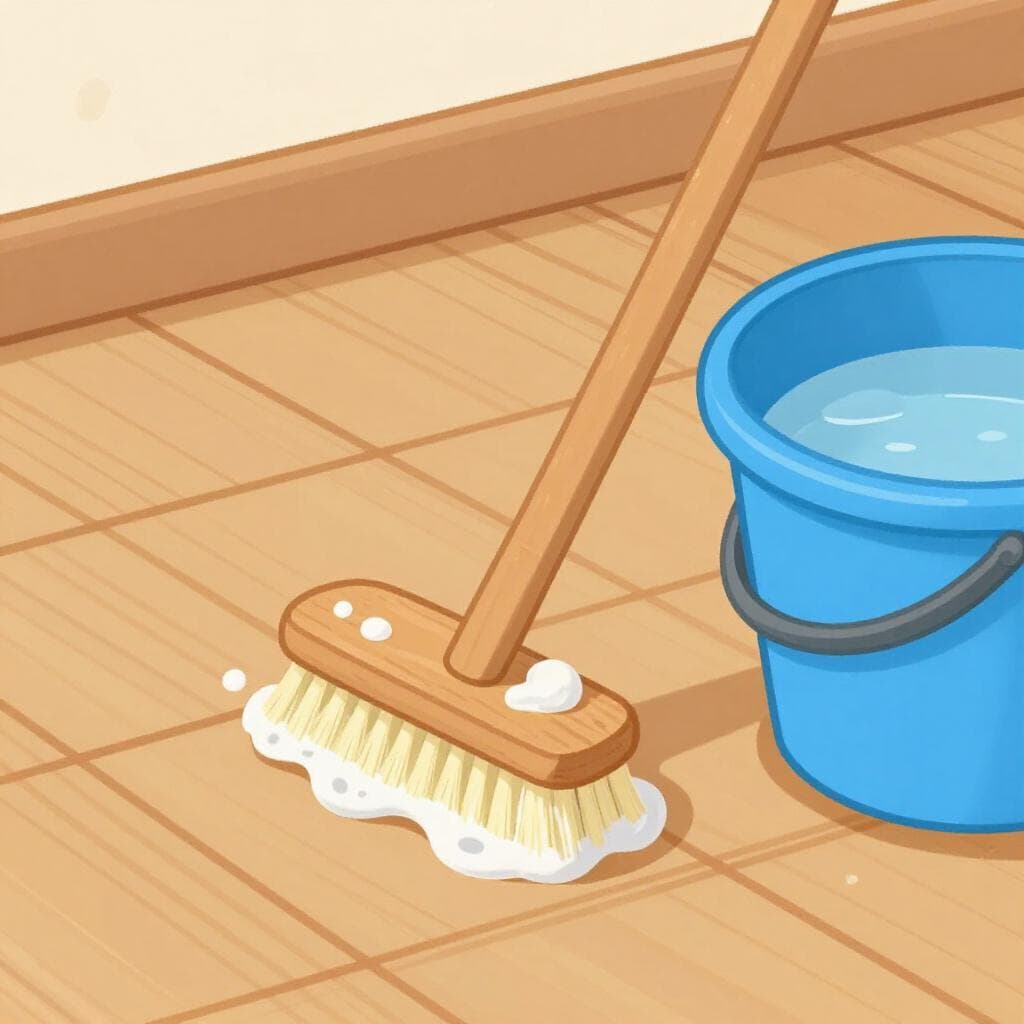
to scrub, to wash dishes
Also: to mop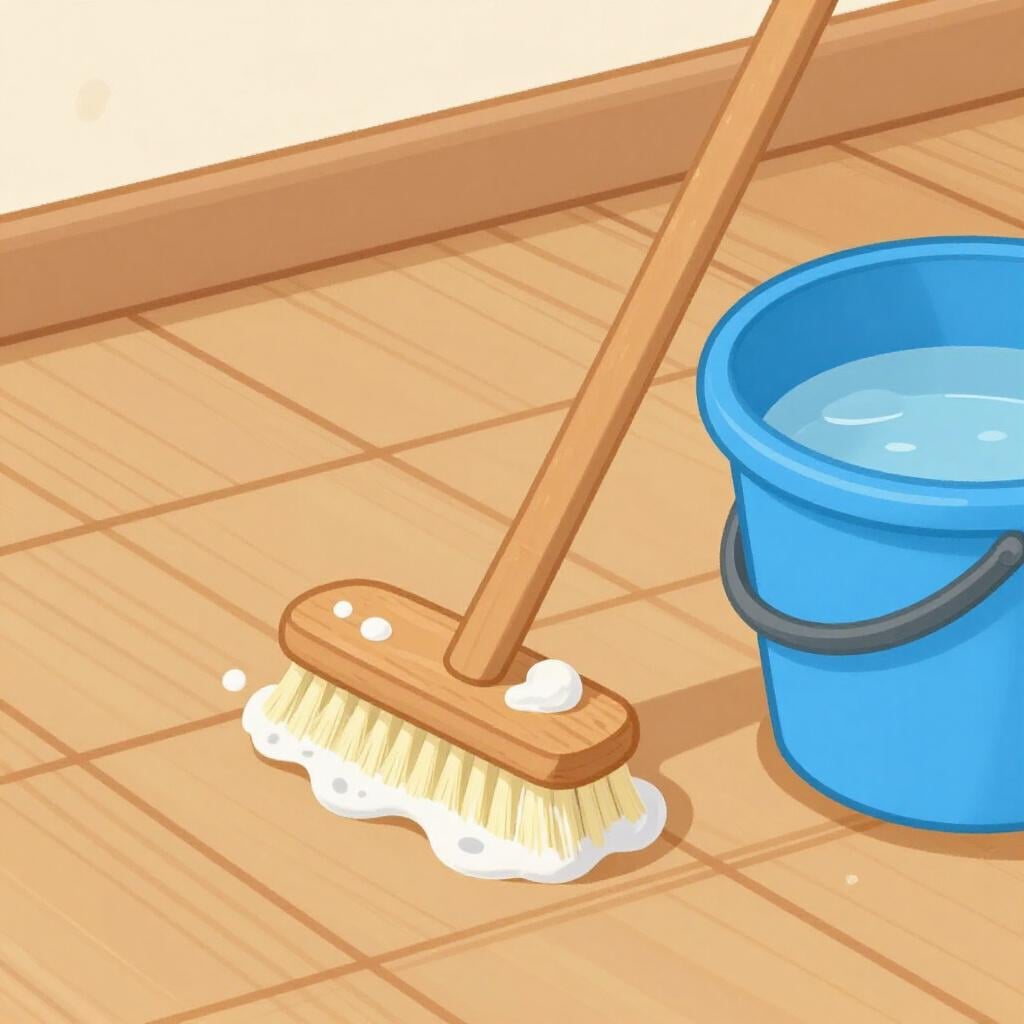
📝 In Action
Siempre me toca fregar los platos después de cenar.
A1It's always my turn to wash the dishes after dinner.
Tengo que fregar el suelo de la cocina porque está sucio.
A2I have to mop/scrub the kitchen floor because it's dirty.
Ella friega las ollas con mucha fuerza.
B1She scrubs the pots with a lot of strength.
to annoy, to mess up
Also: to bug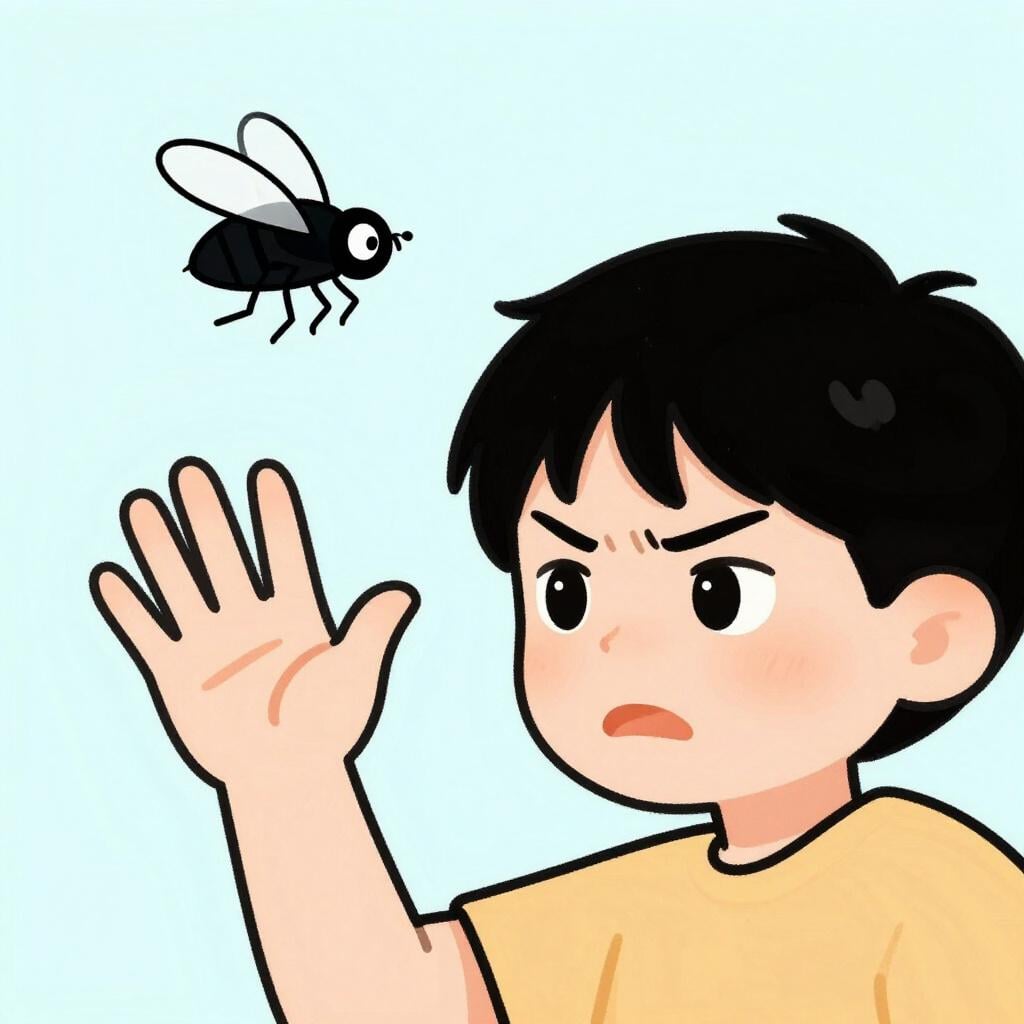
📝 In Action
¡No me friegues! Estoy tratando de trabajar.
B2Don't bug me! I'm trying to work.
Ya la fregamos, perdimos las llaves.
B2We've messed up now, we lost the keys.
Subjunctive
Imperfect Subjunctive
Present Subjunctive
Indicative
Preterite
Imperfect
Present
✏️ Quick Practice
Quick Quiz: fregar
Question 1 of 3
Which form of 'fregar' is correct for 'I scrub' (present tense)?
📚 More Resources
👥 Word Family▼
📚 Etymology▼
Derived from the Latin word 'fricare', which means 'to rub'. This is why we use it for cleaning things that need a good rub!
First recorded: 13th century
Cognates (Related words)
💡 Master Spanish
Take your Spanish to the next level. Read 200+ illustrated and narrated Spanish stories tailored to your level with the Inklingo app!
Frequently Asked Questions
Does fregar always mean 'to mop'?
In Spain, it often does. In Latin America, people usually say 'trapear' for mopping and use 'fregar' specifically for dishes or scrubbing hard.
Is 'fregar' a rude word?
When it means 'to wash', it is completely neutral. When it means 'to annoy', it is informal but generally safe for use with friends. It is often used as a 'clean' version of much ruder swear words.
Can I use 'fregar' for washing my hair?
No, you should use 'lavar' or 'lavarse' for body parts and clothes. 'Fregar' is for surfaces that require friction/rubbing.