How to Say "to scrub" in Spanish
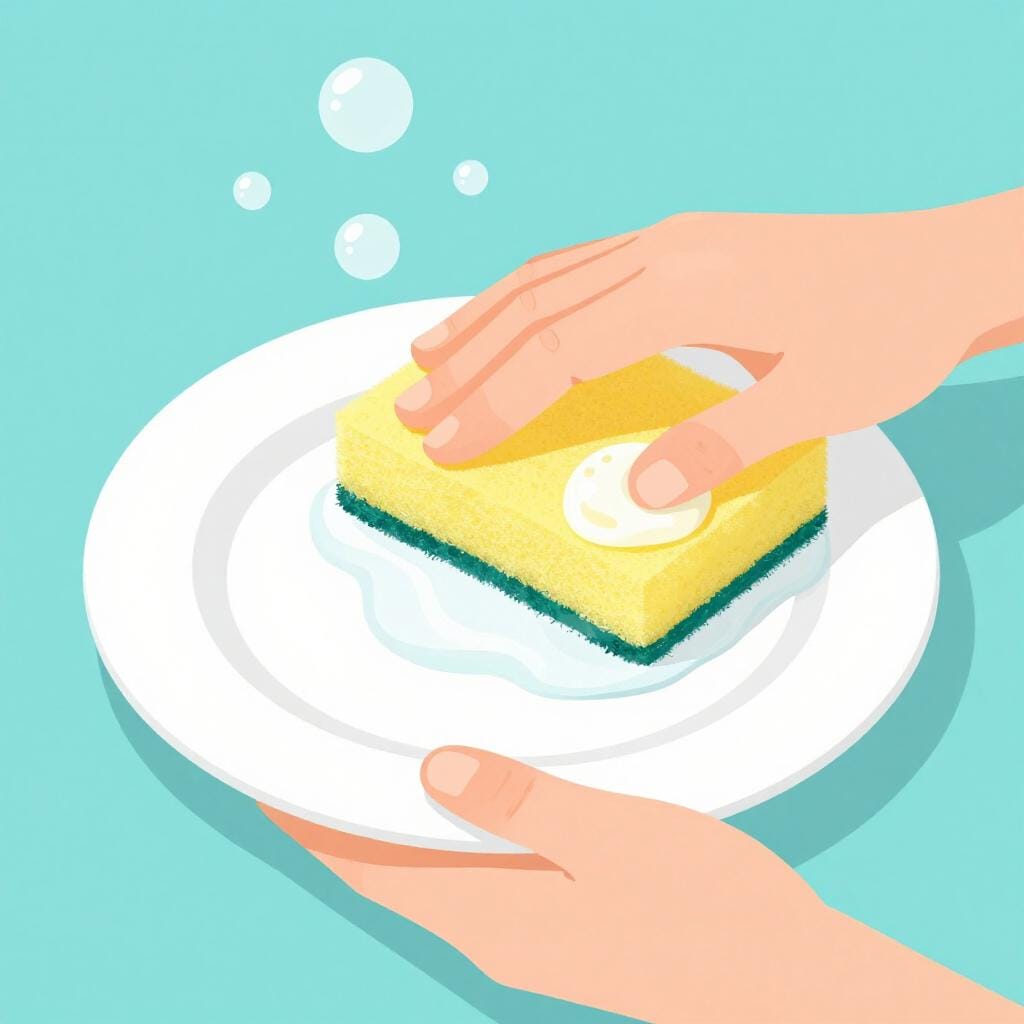
The most common Spanish word for “to scrub” is “fregar” — use 'fregar' when talking about washing dishes or cleaning floors by applying pressure, often with water and soap.
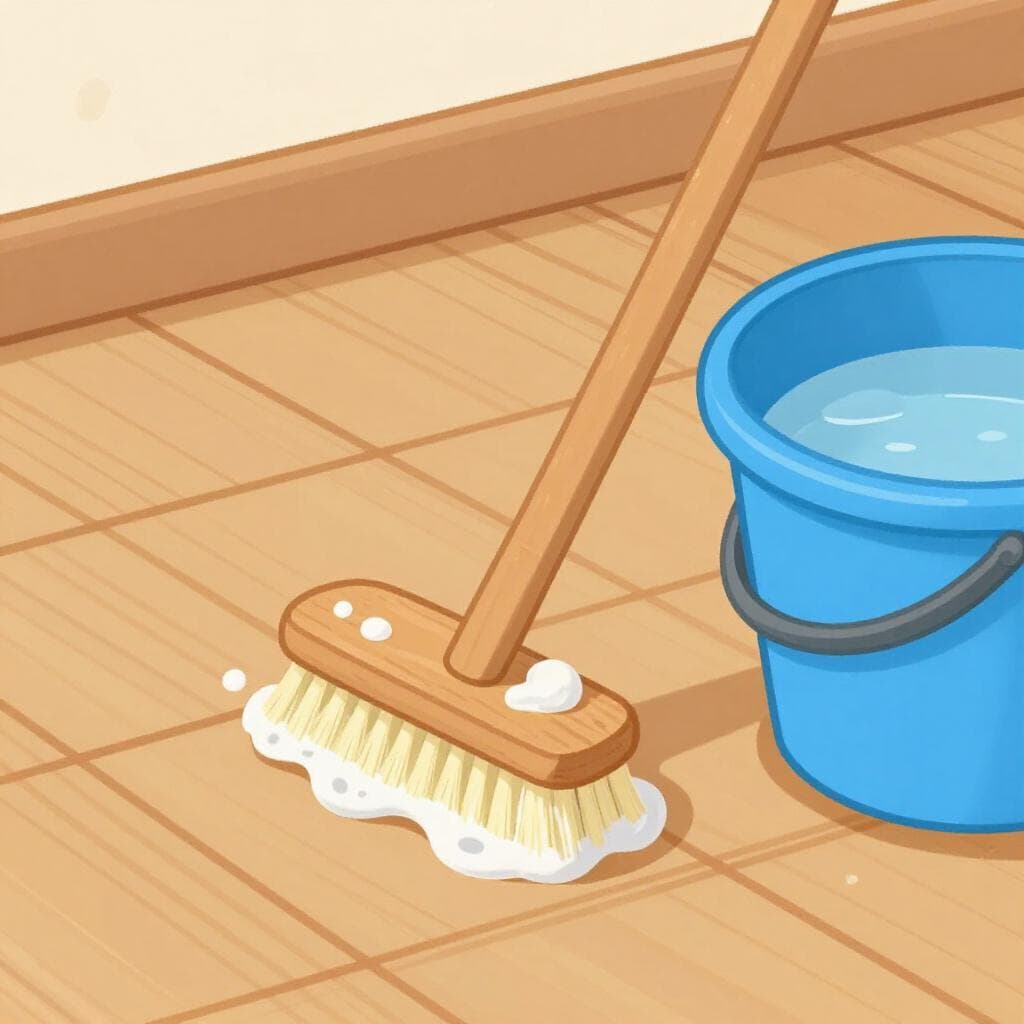
Use 'fregar' when talking about washing dishes or cleaning floors by applying pressure, often with water and soap.
Learn more →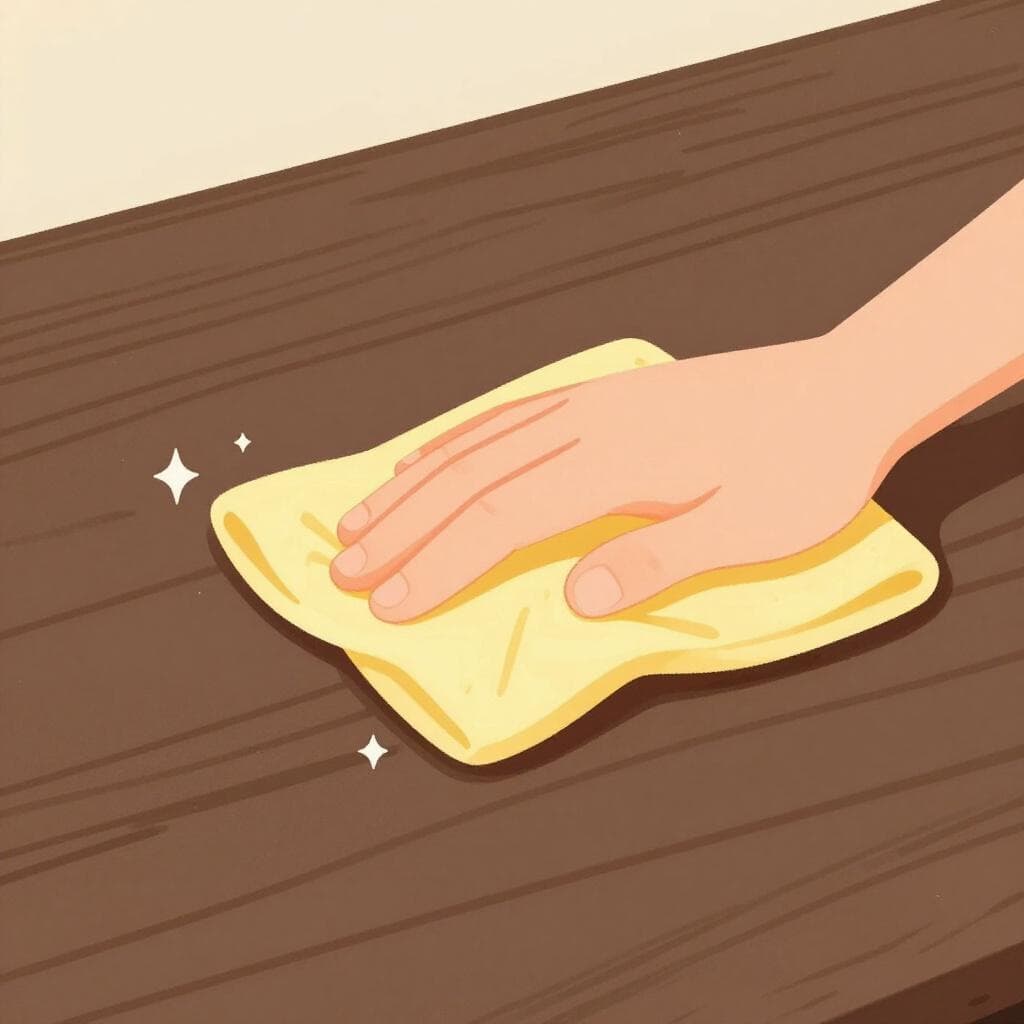
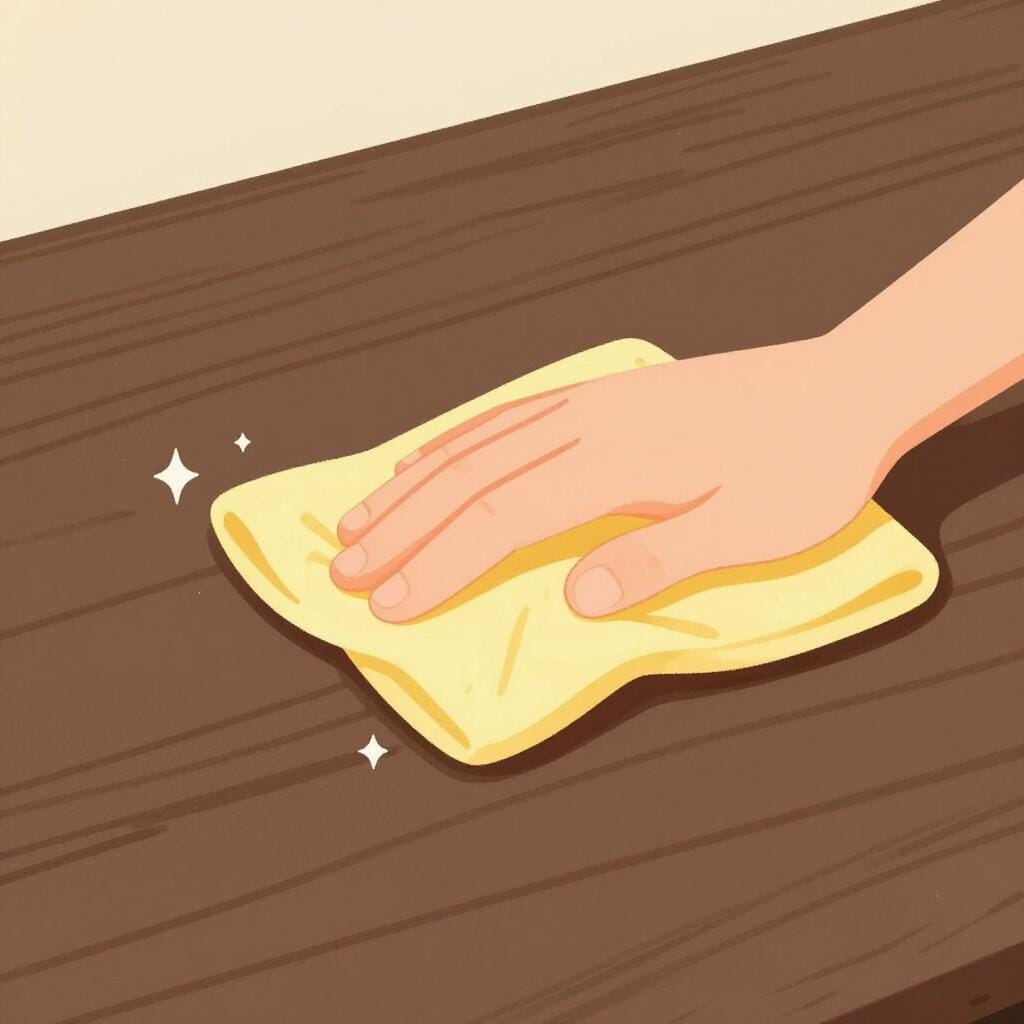
Use 'frotar' when the action involves rubbing something firmly to clean it, like a stain or a surface.
Learn more →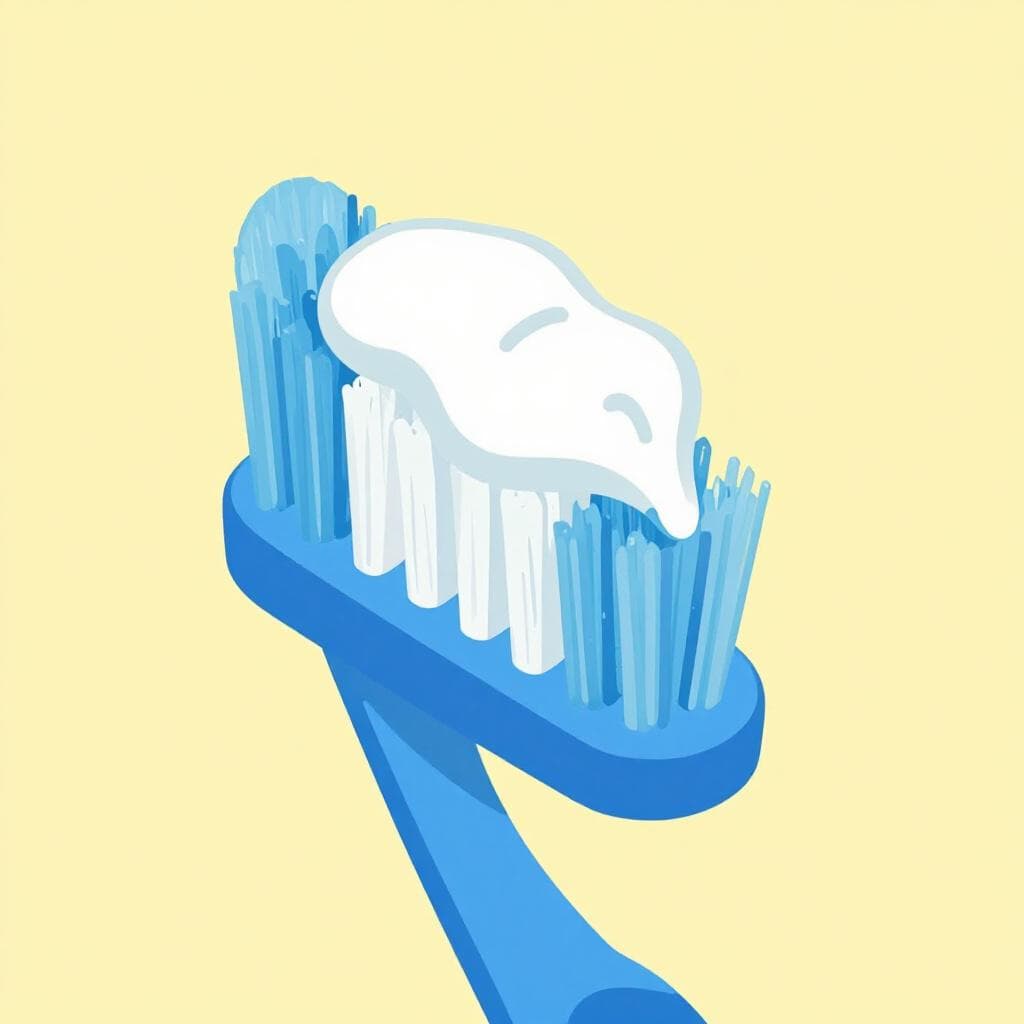
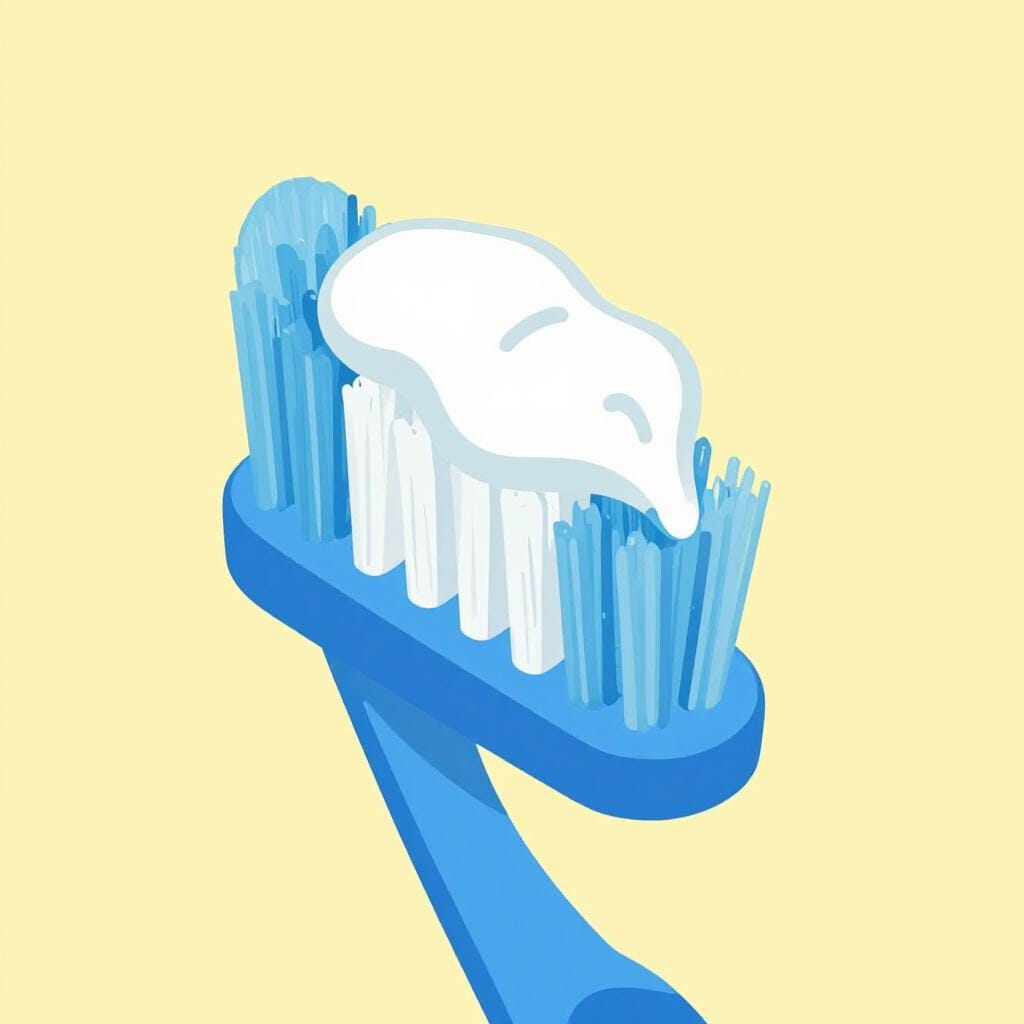
Use 'cepillar' specifically when cleaning using a brush, such as brushing teeth, hair, or a pet's coat.
Learn more →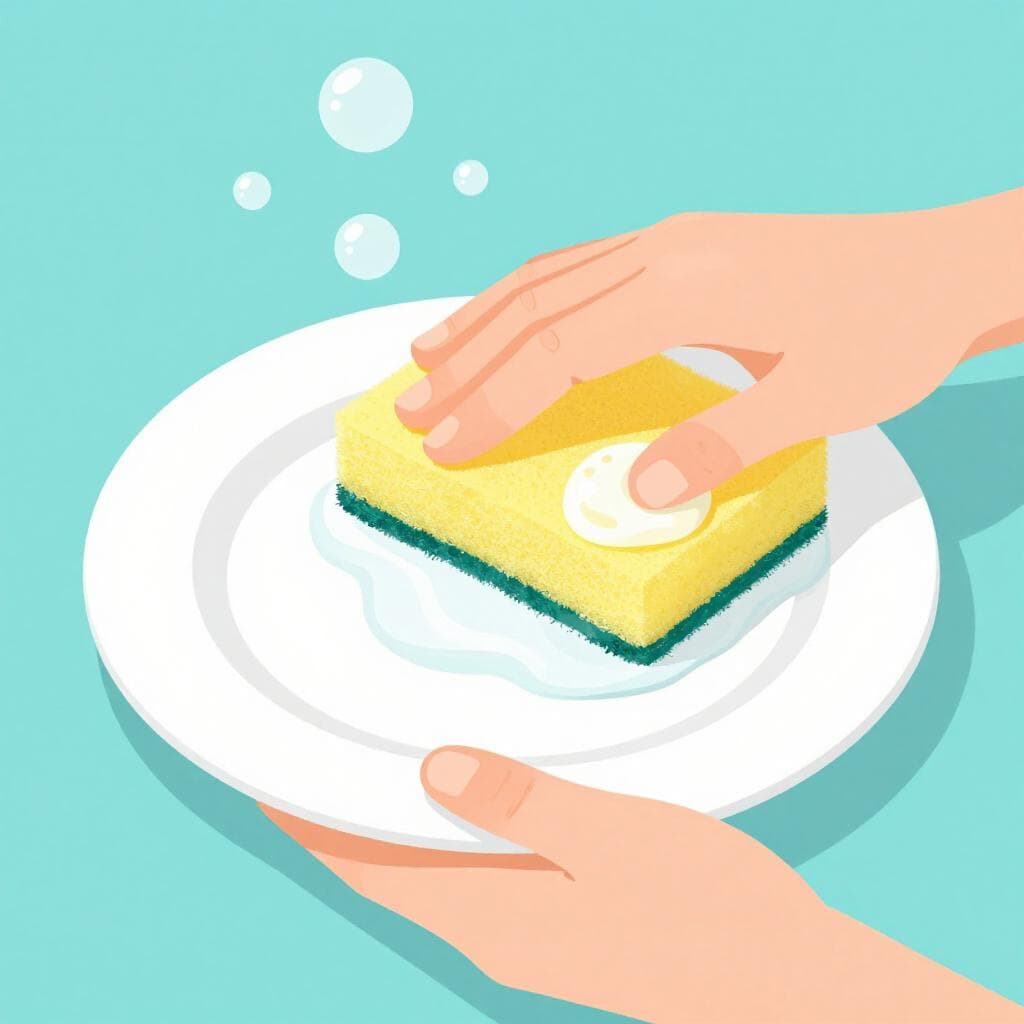
Use 'tallar' when referring to vigorously scrubbing clothes or floors, often with a lot of effort.
Learn more →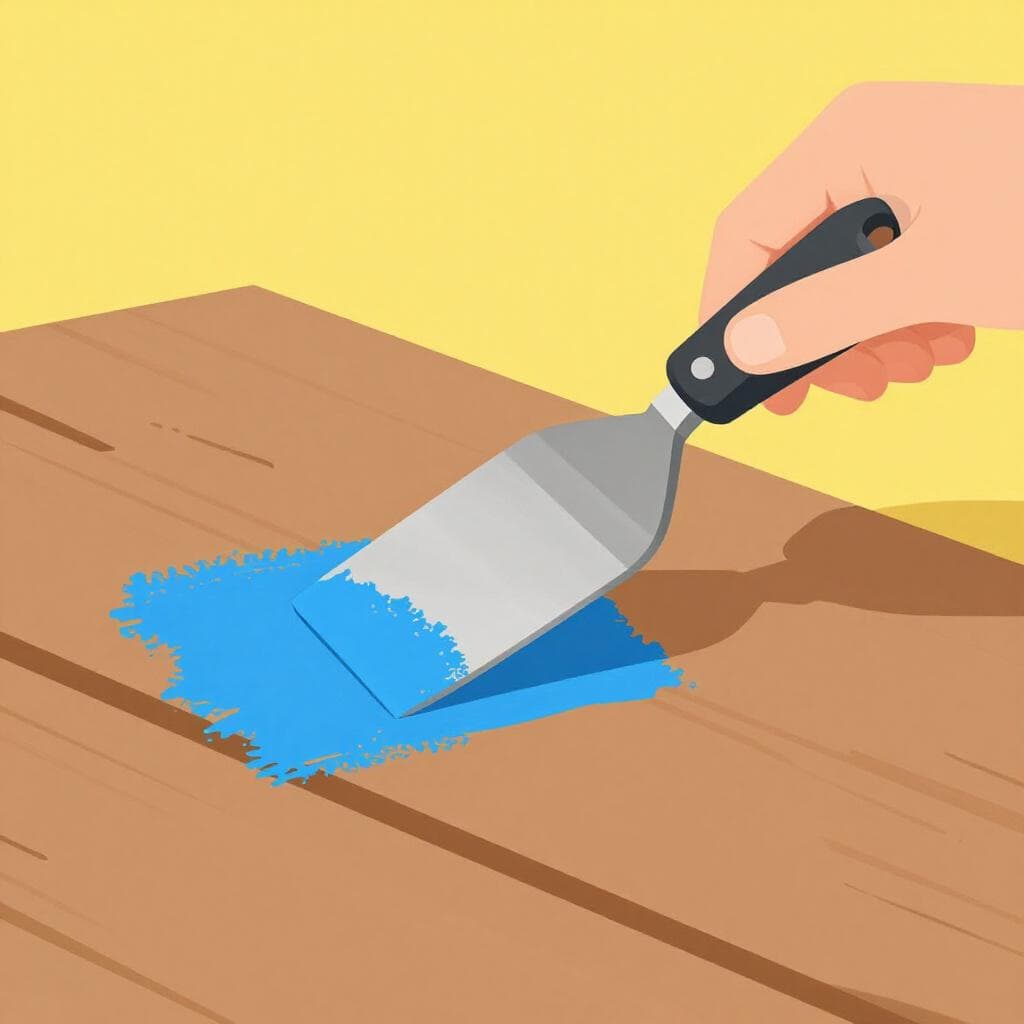
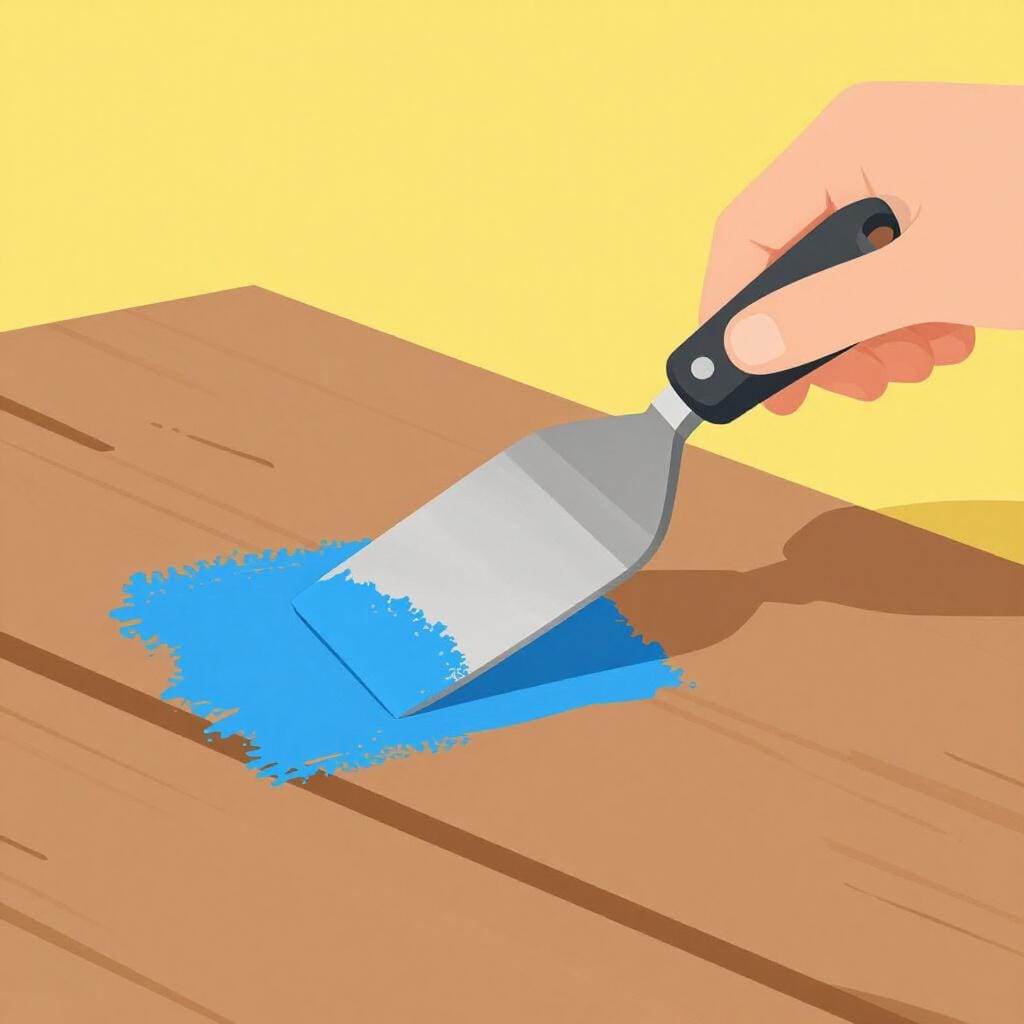
Use 'rascar' when you need to scrape or scrub away something stuck on a surface, like old paint or burnt food from a pan.
Learn more →fre-GAHRfɾeˈɣaɾ

Examples
Me toca fregar los platos hoy.
It's my turn to scrub the dishes today.
Siempre me toca fregar los platos después de cenar.
It's always my turn to wash the dishes after dinner.
Tengo que fregar el suelo de la cocina porque está sucio.
I have to mop/scrub the kitchen floor because it's dirty.
Ella friega las ollas con mucha fuerza.
She scrubs the pots with a lot of strength.
The 'Boot' Change
In the present tense, the 'e' changes to 'ie' in all forms except for 'we' (nosotros) and 'you all' (vosotros). It looks like a boot on a conjugation chart!
The 'G' to 'GU' Rule
When talking about the past (I scrubbed), the spelling changes to 'fregué'. We add a 'u' to keep the 'g' sounding hard, like in 'game' instead of soft like in 'gym'.
Don't forget the 'ie'
Mistake: “Yo frego los platos.”
Correction: Yo friego los platos. Remember that this word changes its vowel when you stress it.
fro-TARfɾoˈtaɾ
Examples
Tienes que frotar esa mancha con un paño húmedo.
You have to scrub that stain with a damp cloth.
Tienes que frotar la mancha con un poco de jabón.
You have to rub the stain with a little bit of soap.
Él se frotó los ojos porque tenía sueño.
He rubbed his eyes because he was sleepy.
Frota las manos para calentarte un poco.
Rub your hands together to warm yourself up a bit.
Using frotar with body parts
When rubbing your own body parts, Spanish uses a reflexive pronoun (me, te, se, nos, os, se) and the definite article (the) instead of 'my' or 'your'. For example: 'Me froto las manos' (I rub my hands).
Direct Objects
If you are rubbing an object, the thing being rubbed follows the verb directly: 'Froté la lámpara'.
Frotar vs. Rascar
Mistake: “Me froto el brazo porque me pica.”
Correction: Me rasco el brazo porque me pica. Use 'frotar' for rubbing/massaging and 'rascar' for scratching an itch.
seh-pee-yahrθepiˈʝaɾ
Examples
Debes cepillar al perro para quitarle los nudos.
You must scrub (brush) the dog to remove its tangles.
Debes cepillar al perro todos los días.
You must brush the dog every day.
Él está cepillando su traje para la fiesta.
He is brushing his suit for the party.
Es necesario cepillar los dientes después de comer.
It is necessary to brush your teeth after eating.
Using Reflexive Forms
When you brush your own body parts (like teeth or hair), you must add 'me', 'te', 'se' etc. and use 'the' (el/la) instead of 'my' (mi). For example: 'Me cepillo los dientes' (I brush my teeth).
Brushing Something Else
If you are brushing an object (like a coat) or someone else (like a dog), you don't need the reflexive 'me/te/se' forms.
Possessive Trap
Mistake: “Cepillo mis dientes.”
Correction: Me cepillo los dientes. In Spanish, we use the reflexive 'me' and the article 'los' when talking about our own body parts.
ta-YARtaˈʝaɾ
Examples
Hay que tallar bien la ropa sucia para que salga la mancha.
You have to scrub the dirty clothes well for the stain to come out.
No te talles los ojos con las manos sucias.
Don't rub your eyes with dirty hands.
Tienes que tallar bien la mancha de la camisa.
You have to scrub the stain on the shirt well.
Estos zapatos me tallan un poco al caminar.
These shoes rub/chafe me a bit when I walk.
Reflexive Use
When you rub a part of your own body, like your eyes or skin, you often add 'se' to the end (tallarse).
Confusing with 'Talla'
Mistake: “Using 'tallar' to ask for a size.”
Correction: To ask for size, use the noun 'talla'. Tallar is the action of rubbing or carving.
rahs-KAHRrasˈkaɾ
Examples
Tuve que rascar la comida quemada de la sartén.
I had to scrub the burnt food off the pan.
Tienes que rascar la pintura vieja antes de pintar de nuevo.
You have to scrape off the old paint before painting again.
Rasqué el boleto de lotería pero no gané nada.
I scratched the lottery ticket but I didn't win anything.
No uses un cuchillo para rascar la sartén, la vas a estropear.
Don't use a knife to scrub the pan, you're going to ruin it.
Using 'rascar' with objects
When scraping an object, you don't need the 'se' (reflexive) ending. It's just 'rascar' followed by the item.
Fregar vs. Frotar
Learners often confuse 'fregar' and 'frotar'. Remember that 'fregar' is most commonly used for dishes and floors with water, while 'frotar' emphasizes the rubbing action itself, often on smaller areas or tougher spots.
Related Translations
Learn Spanish with Inklingo
Interactive stories, personalized learning, and more.