rascar
“rascar” means “to scratch” in Spanish. It has 2 different meanings depending on context:

to scratch
Also: to rub
📝 In Action
Me pica el brazo y necesito rascarme.
A2My arm is itchy and I need to scratch myself.
Al gato le gusta que le rasquen detrás de las orejas.
B1The cat likes having behind his ears scratched.
No te rasques la picadura de mosquito.
A2Don't scratch your mosquito bite.
to scrape
Also: to scrub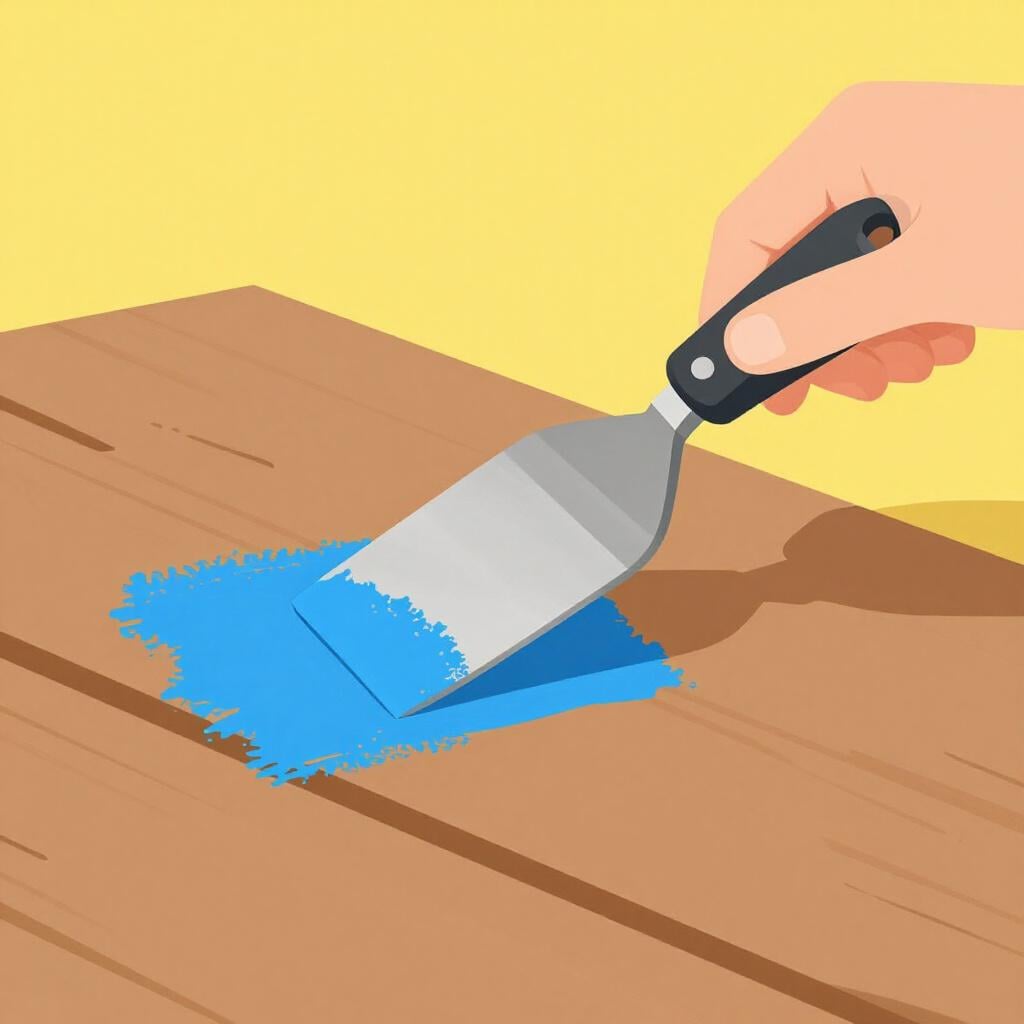
📝 In Action
Tienes que rascar la pintura vieja antes de pintar de nuevo.
B1You have to scrape off the old paint before painting again.
Rasqué el boleto de lotería pero no gané nada.
B1I scratched the lottery ticket but I didn't win anything.
No uses un cuchillo para rascar la sartén, la vas a estropear.
B2Don't use a knife to scrub the pan, you're going to ruin it.
Subjunctive
Imperfect Subjunctive
Present Subjunctive
Indicative
Preterite
Imperfect
Present
Translate to Spanish
✏️ Quick Practice
Quick Quiz: rascar
Question 1 of 3
How do you say 'I scratched' (past tense) in Spanish?
📚 More Resources
👥 Word Family▼
📚 Etymology▼
From the Vulgar Latin 'rasicare', which comes from 'radere', meaning 'to scrape' or 'to shave'.
First recorded: 13th century
Cognates (Related words)
💡 Master Spanish
Take your Spanish to the next level. Read 200+ illustrated and narrated Spanish stories tailored to your level with the Inklingo app!
Frequently Asked Questions
When should I use 'rascar' vs 'rascarse'?
Use 'rascar' when you scratch something else (like a lottery ticket or someone else's back). Use 'rascarse' when you scratch your own body.
Does 'rascar' only mean to scratch an itch?
No, it also means to scrape a surface (like paint or ice) and can be used informally to describe playing a string instrument poorly.
Is 'rascar' a regular verb?
Mostly! It follows regular -ar patterns, but the 'c' changes to 'qu' in some forms (like the preterite 'yo' and all present subjunctive forms) to keep the pronunciation consistent.