pulir
“pulir” means “to polish” in Spanish. It has 3 different meanings depending on context:



to polish
Also: to shine, to sand down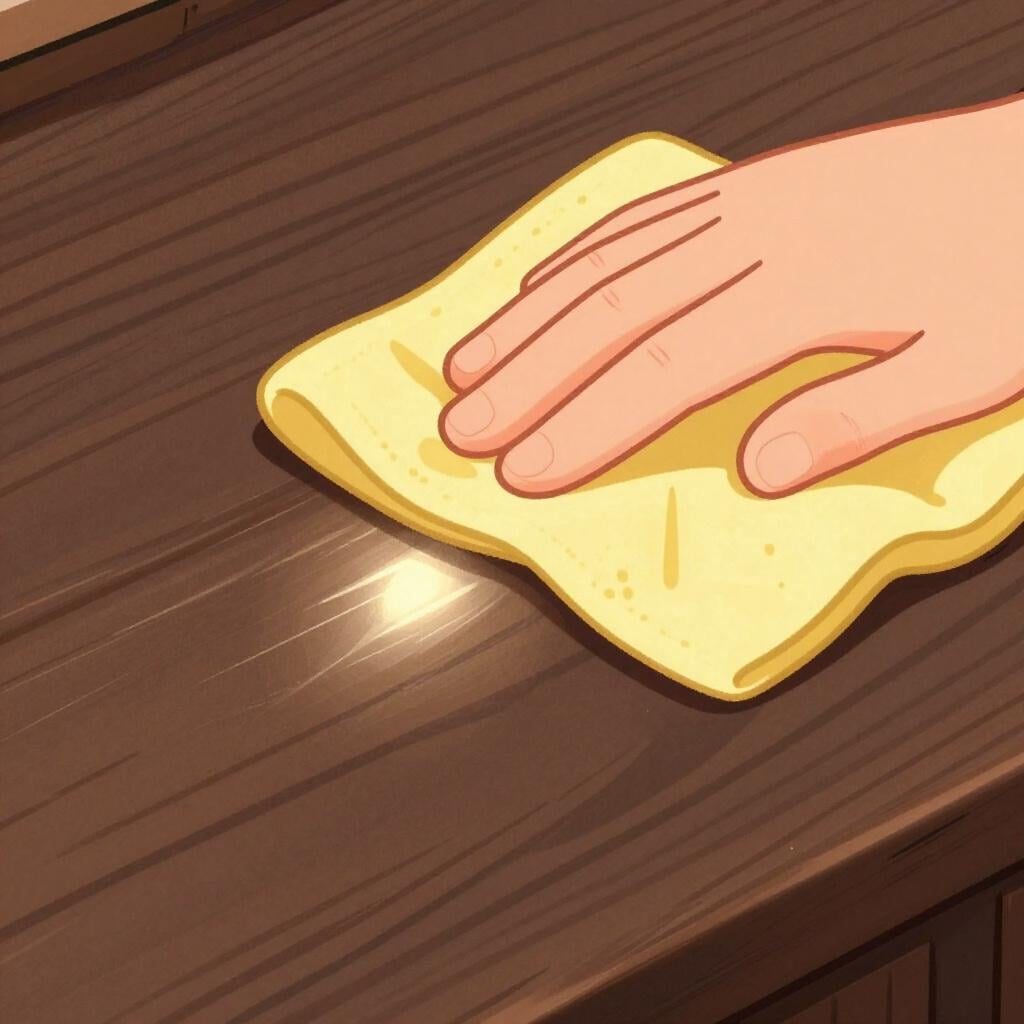
📝 In Action
Necesito pulir los zapatos antes de la fiesta.
A1I need to polish my shoes before the party.
Él pule el mármol hasta que brilla como un espejo.
A2He polishes the marble until it shines like a mirror.
El carpintero pulió la madera para quitarle las astillas.
B1The carpenter sanded the wood to remove the splinters.
to refine
Also: to brush up, to tweak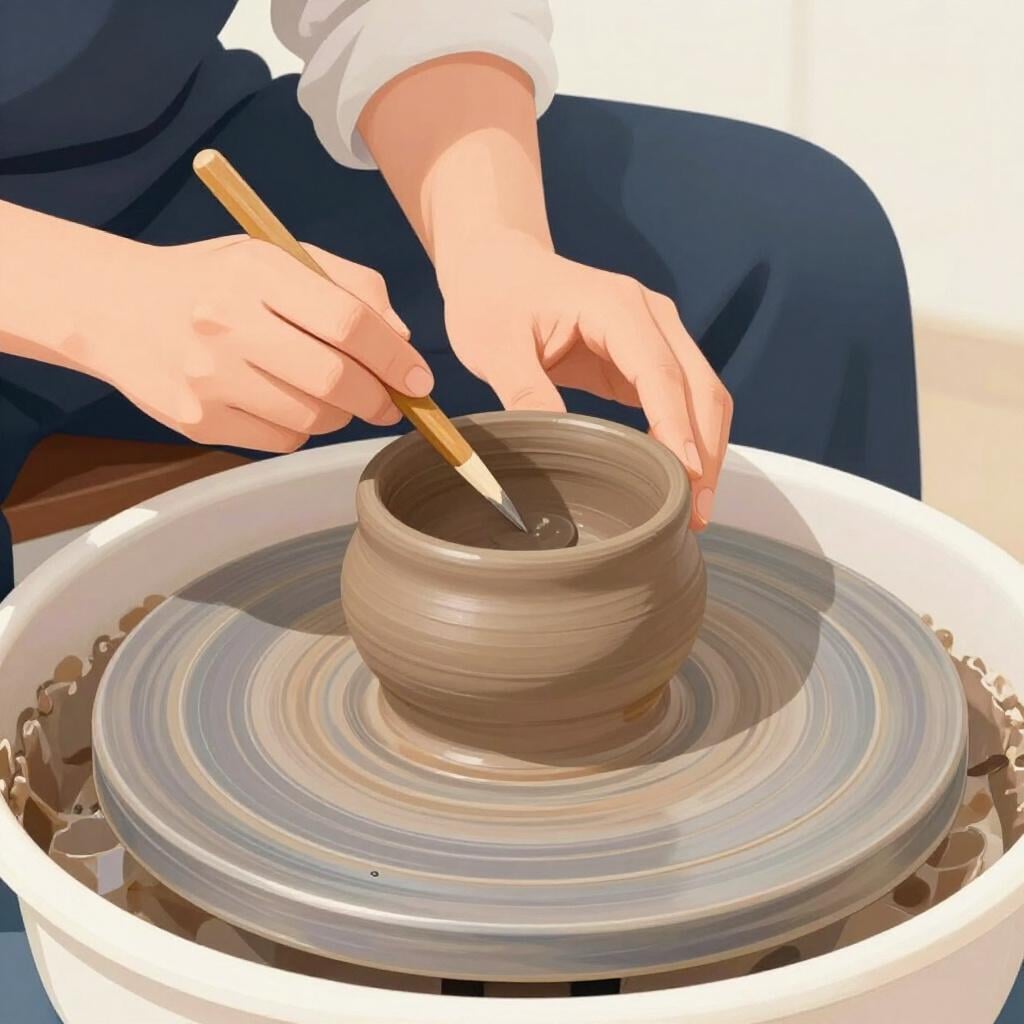
📝 In Action
Tengo que pulir mi ensayo antes de entregarlo.
B1I have to refine my essay before handing it in.
Ella está puliendo su técnica de piano.
B2She is perfecting her piano technique.
Vamos a pulir los últimos detalles del proyecto.
B1We are going to polish the final details of the project.
to blow through
Also: to squander
📝 In Action
Se pulió todo el sueldo en una noche.
B2He blew through his whole salary in one night.
No te pulas los ahorros tan rápido.
C1Don't spend your savings so fast.
Subjunctive
Imperfect Subjunctive
Present Subjunctive
Indicative
Preterite
Imperfect
Present
Translate to Spanish
✏️ Quick Practice
Quick Quiz: pulir
Question 1 of 3
Which of these is a physical use of 'pulir'?
📚 More Resources
👥 Word Family▼
📚 Etymology▼
From the Latin word 'polire', which meant to smooth, brighten, or refine.
First recorded: 13th century
Cognates (Related words)
💡 Master Spanish
Take your Spanish to the next level. Read 200+ illustrated and narrated Spanish stories tailored to your level with the Inklingo app!
Frequently Asked Questions
Is 'pulir' a stem-changing verb?
No, pulir is completely regular. The 'u' stays a 'u' in all forms.
Can I use 'pulir' for cleaning a window?
Not really. You 'limpias' (clean) a window. You 'pules' (polish) something that needs friction to shine, like metal, wood, or stone.
What is the difference between 'pulir' and 'abrillantar'?
'Pulir' often implies smoothing the surface by rubbing it, while 'abrillantar' specifically focuses on the final step of making it look shiny.