How to Say "to refine" in Spanish
The most common Spanish word for “to refine” is “afinar” — use 'afinar' when you are making small adjustments to improve the details of a plan, a process, or even a musical performance.




afinar
ah-fee-NAHRafiˈnaɾ

Examples
Tenemos que afinar los detalles del contrato.
We need to refine the details of the contract.
El atleta está afinando su técnica para las Olimpiadas.
The athlete is polishing his technique for the Olympics.
Debes afinar tu olfato para detectar la calidad del café.
You must hone your sense of smell to detect the quality of the coffee.
Using 'afinar' with abstract objects
When you use this word for 'details' or 'plans,' it suggests you are taking something that is already good and making it nearly perfect.
pulir
poo-leerpuˈliɾ

Examples
Tengo que pulir mi ensayo antes de entregarlo.
I have to refine my essay before handing it in.
Ella está puliendo su técnica de piano.
She is perfecting her piano technique.
Vamos a pulir los últimos detalles del proyecto.
We are going to polish the final details of the project.
Abstract Use
Just like in English, 'polishing' can be used for non-physical things like speeches, behavior, or talents.
perfilar
per-fee-LARpeɾfiˈlaɾ
Examples
Todavía tenemos que perfilar los detalles del contrato.
We still need to refine the details of the contract.
El plan de estudios se está perfilando para el próximo año.
The curriculum is taking shape for next year.
Perfilaron la propuesta hasta que fue aceptada.
They polished the proposal until it was accepted.
Abstract usage
When used for ideas, 'perfilar' implies that the core idea exists, but the final, specific details are being decided.
Avoid 'refinar' for people/ideas
Mistake: “Refinar un plan.”
Correction: Perfilar un plan.
purificar
poo-ree-fee-KAHRpuɾifiˈkaɾ

Examples
Este filtro sirve para purificar el agua del grifo.
This filter is used to purify tap water.
Las plantas en la oficina ayudan a purificar el aire de forma natural.
The plants in the office help to purify the air naturally.
Es necesario purificar el metal antes de fabricar la joya.
It is necessary to refine the metal before making the piece of jewelry.
The 'C' to 'QU' spelling swap
To keep the hard 'K' sound, the 'c' changes to 'qu' whenever the next letter is an 'e' (like in the past 'yo' form: purifiqué).
Reflexive use for people
If you want to say someone is purifying themselves (spiritually), use 'purificarse' by adding 'se' to the end.
Purificar vs. Limpiar
Mistake: “Voy a purificar los platos después de cenar.”
Correction: Voy a limpiar los platos. Use 'purificar' for deep, scientific, or spiritual cleaning, not everyday chores.
Spelling error in the past
Mistake: “Yo purificué el agua.”
Correction: Yo purifiqué el agua. In Spanish, 'qu' is used to make the 'k' sound before 'e'.
beneficiar
beh-neh-fee-syahrbenefiˈsjaɾ
Examples
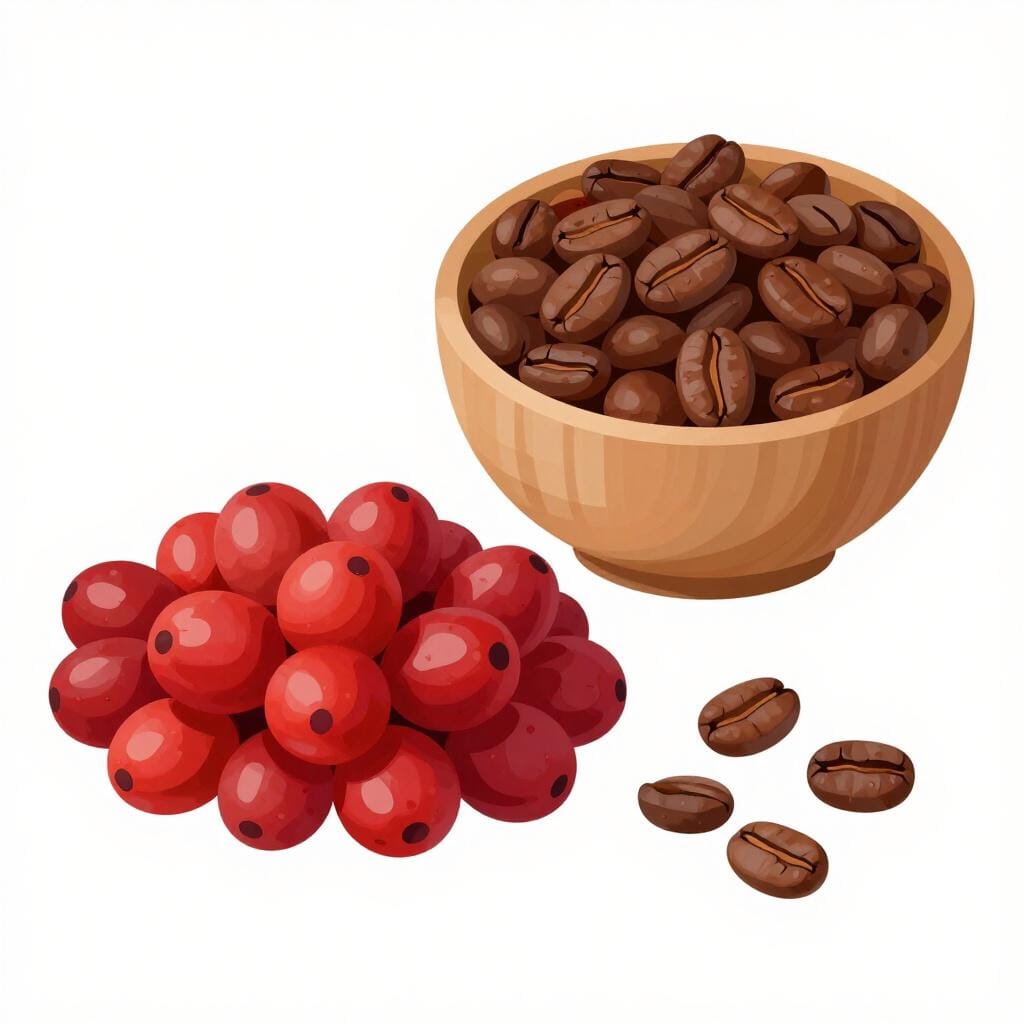
La mina beneficia el cobre antes de exportarlo.
The mine processes the copper before exporting it.
Es necesario beneficiar el grano de café adecuadamente.
It is necessary to process the coffee bean properly.
Industrial Context
This meaning is almost exclusively used in mining or large-scale agriculture to describe turning a raw material into a sellable product.
Afinar vs. Perfilar for Plans
Related Translations
Learn Spanish with Inklingo
Interactive stories, personalized learning, and more.