How to Say "to adjust" in Spanish
The most common Spanish word for “to adjust” is “ajustar” — use this for making small changes to something to make it fit better or work correctly, like clothing or a position.

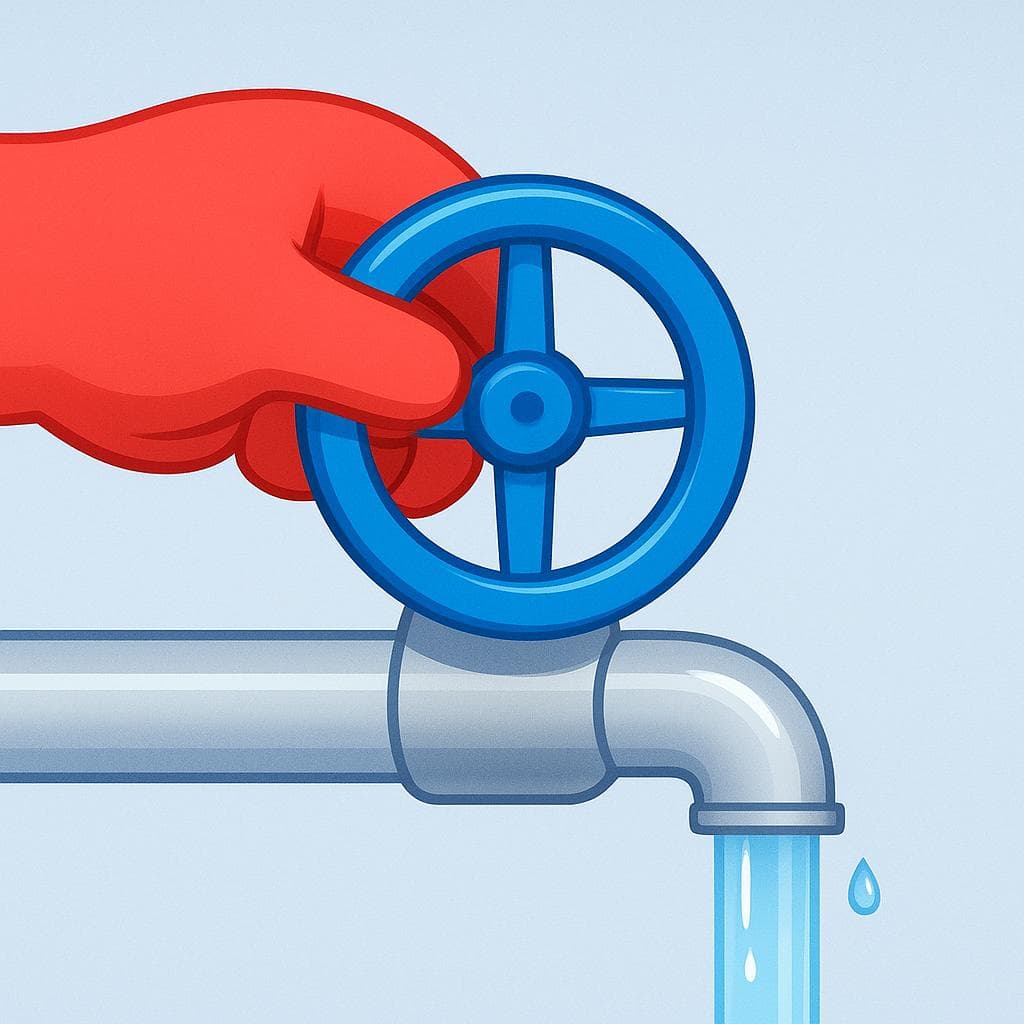

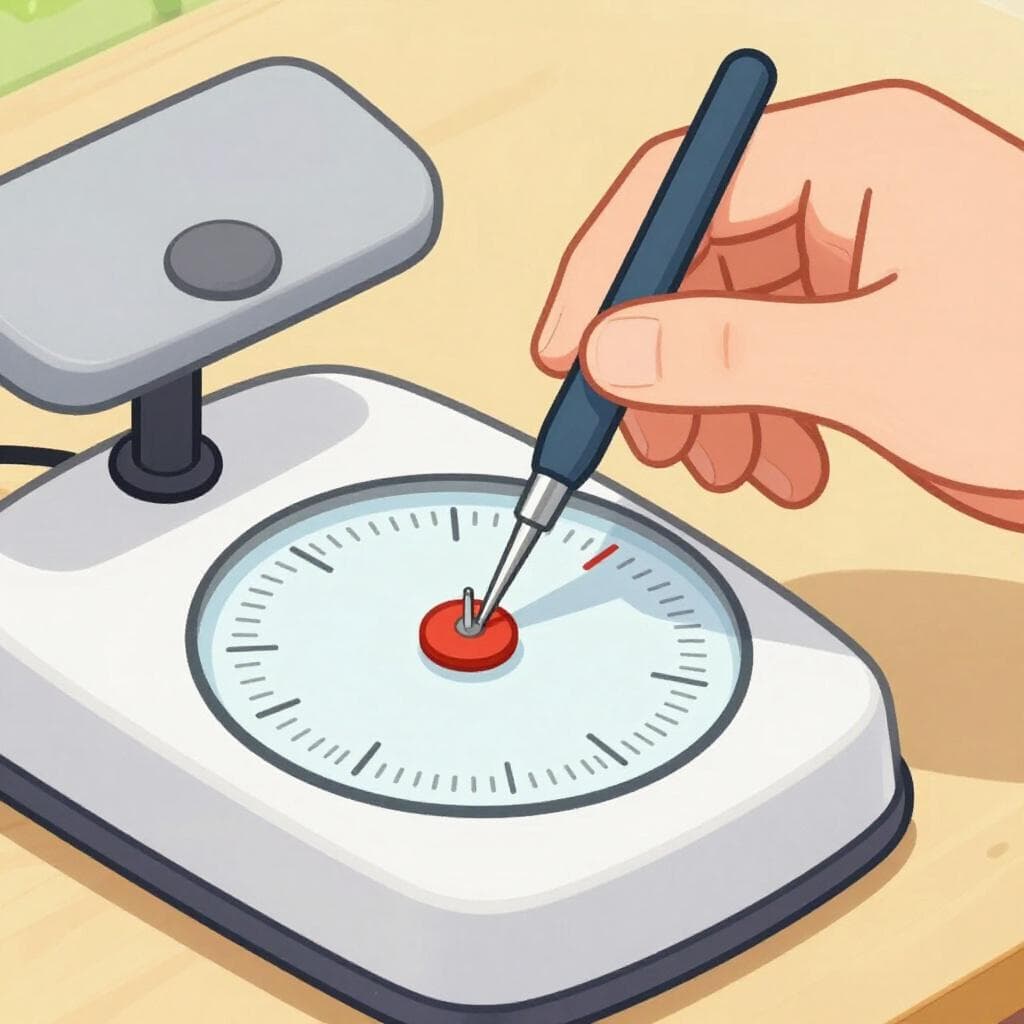
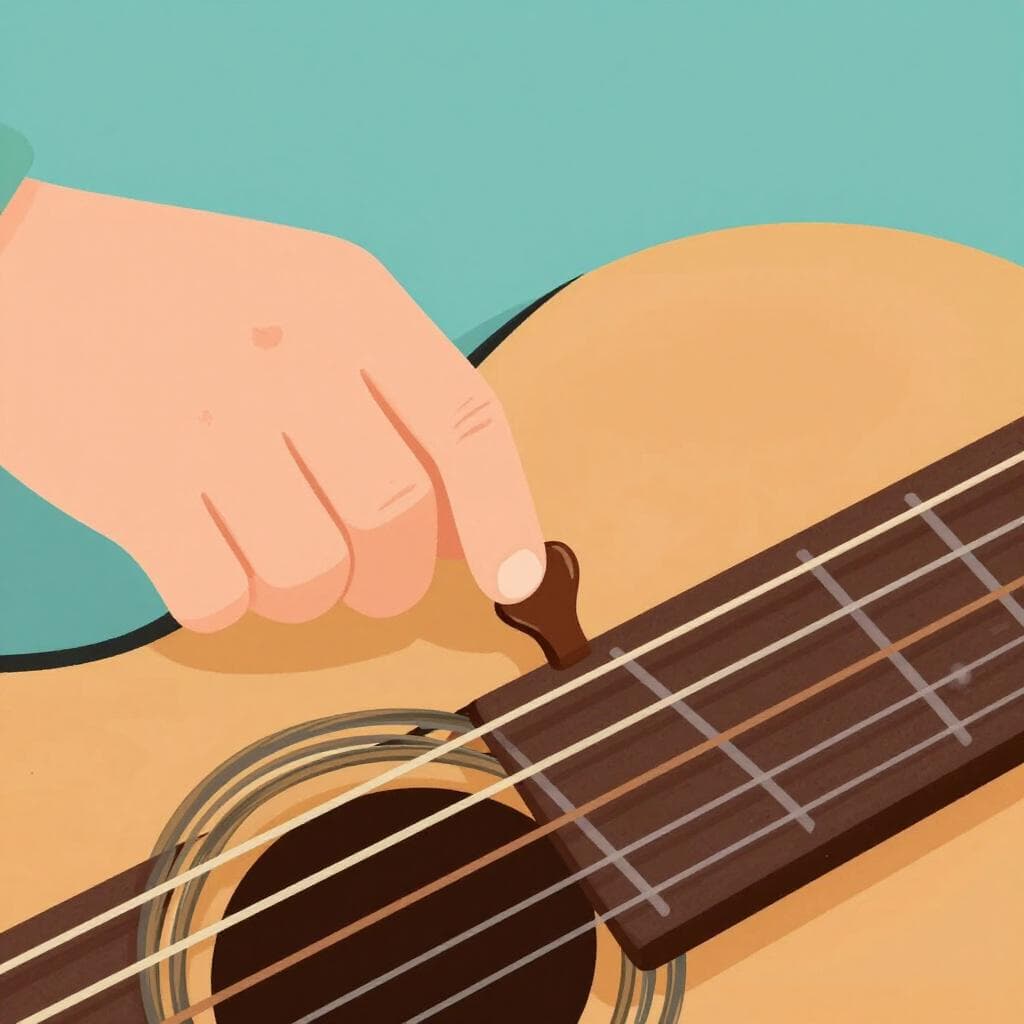
ajustar
ah-hoos-TARaxusˈtaɾ

Examples
Tengo que ajustar el cinturón porque me queda grande.
I have to adjust the belt because it's too big for me.
El mecánico ajustó los frenos de la bicicleta.
The mechanic adjusted the bicycle brakes.
Las piezas no ajustan bien en esta caja.
The pieces don't fit well in this box.
Ajustar vs. Quedar
Use 'ajustar' when YOU are doing the action of changing something to make it fit. Use 'quedar' to describe HOW something fits (e.g., 'La camisa me queda bien').
Adding 'se' for Personal Change
When you want to say you are 'adapting' to a new situation, add 'se' to the end (ajustarse) and use the word 'a' after it.
Confusing 'tighten' and 'adjust'
Mistake: “Ajustar los zapatos (when they are already tied).”
Correction: Use 'apretar' if you specifically mean to make them tighter, but 'ajustar' if you are just fixing the positioning.
regular
rreh-goo-LAHRreɣuˈlaɾ
Examples
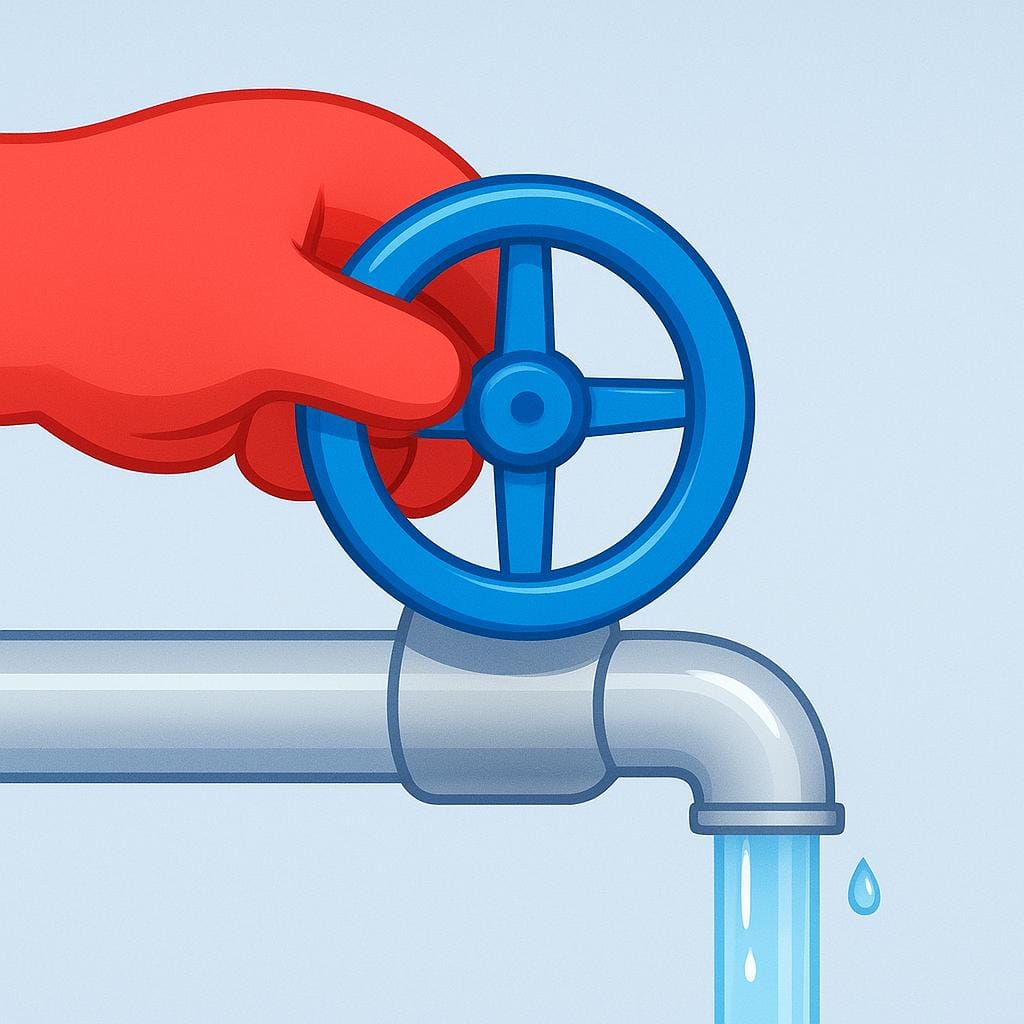
El gobierno necesita regular mejor el tráfico en la ciudad.
The government needs to better regulate traffic in the city.
Tienes que regular la temperatura del horno antes de cocinar.
You have to adjust the oven temperature before cooking.
La ley regula los derechos de los consumidores.
The law governs consumer rights.
Regular Verb Pattern
'Regular' is a perfectly normal '-ar' verb. Once you know the pattern for verbs like 'hablar' or 'cantar', you can easily conjugate 'regular'.
adaptar
ah-dahp-TARadapˈtaɾ

Examples
Tenemos que adaptar el plan a las nuevas reglas.
We have to adapt the plan to the new rules.
Adapté la silla para que fuera más cómoda.
I adjusted the chair so it would be more comfortable.
Es difícil adaptar una empresa a un mercado diferente.
It is difficult to adapt a company to a different market.
Using the 'a' connector
When you adapt something to something else, always use the word 'a' (to) after the verb. For example: 'Adaptar el coche a la nieve'.
Confusing Adaptar with Adaptarse
Mistake: “Yo adapto a la nueva ciudad.”
Correction: Me adapto a la nueva ciudad. Use the reflexive 'me/te/se' forms when you are the one changing to fit in.
graduar
grah-dwahrɡɾaˈðwaɾ
Examples
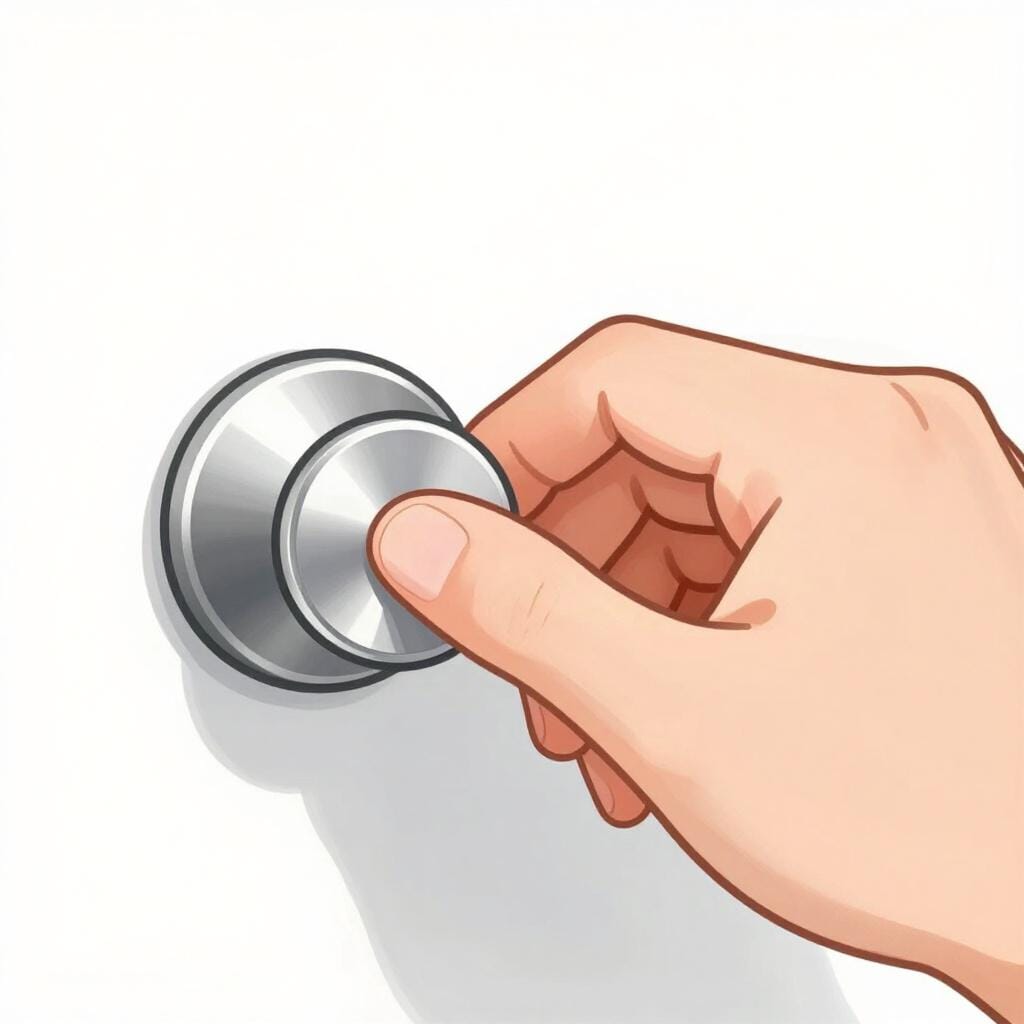
Tienes que graduar el termostato para que no haga tanto frío.
You have to adjust the thermostat so it isn't so cold.
Necesito ir al oculista para graduar mi vista.
I need to go to the eye doctor to have my vision tested.
Es posible graduar la intensidad de estas luces.
It is possible to regulate the intensity of these lights.
Specific Objects
In this technical sense, you are doing the action TO something (like a knob or an instrument), so you don't use 'se'.
Using 'ajustar' for everything
Mistake: “Voy al oculista para ajustar mi vista.”
Correction: Voy al oculista para graduar mi vista. While 'ajustar' means adjust, 'graduar' is the specific word used for checking vision levels.
calibrar
kah-lee-brarkaliˈβɾaɾ
Examples
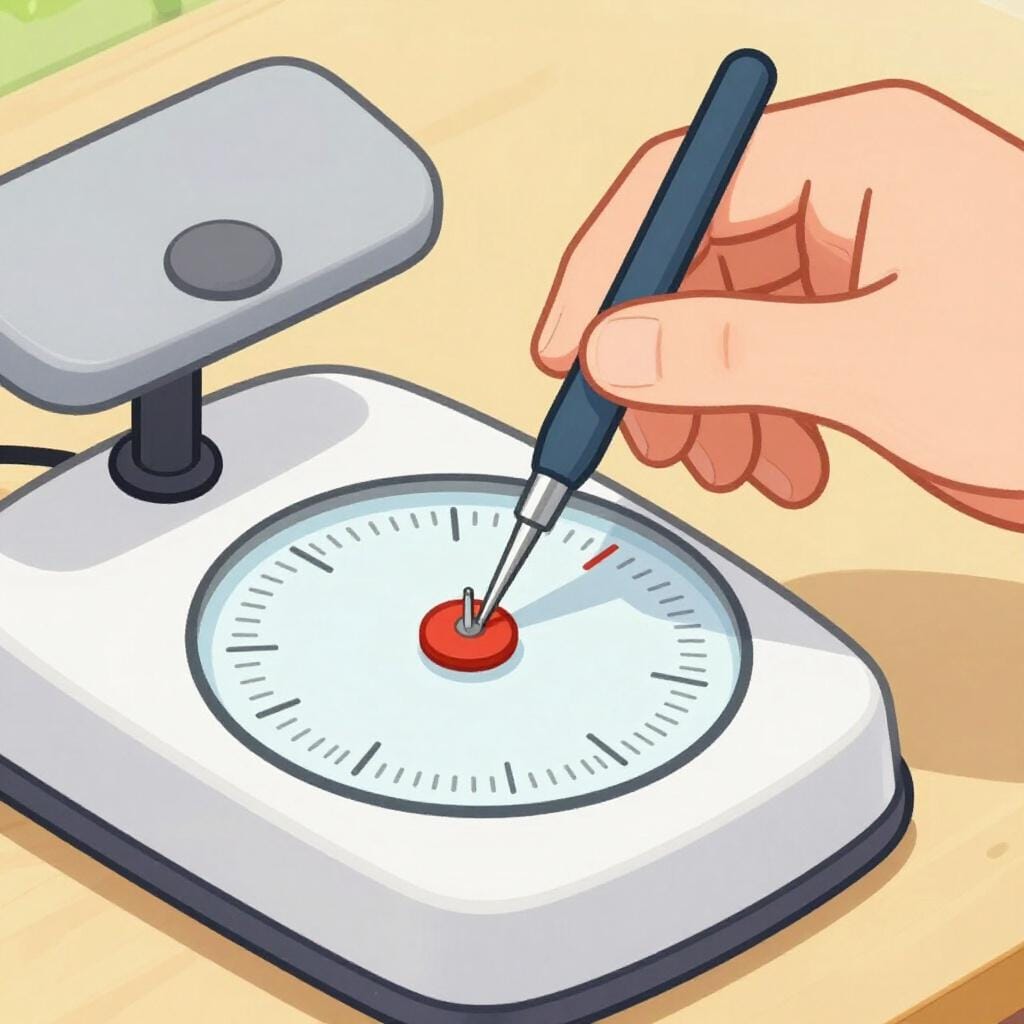
Tienes que calibrar la balanza antes de pesar los ingredientes.
You have to calibrate the scale before weighing the ingredients.
El técnico está calibrando el microscopio del laboratorio.
The technician is calibrating the laboratory microscope.
Es importante calibrar el monitor para ver los colores reales.
It is important to calibrate the monitor to see true colors.
A Regular Friend
This is a regular -ar verb. It follows the same pattern as 'hablar' or 'cantar' in every single tense, making it very predictable for learners.
Direct Action
You don't need a preposition between the verb and the object. You simply 'calibrar algo' (calibrate something), just like in English.
Spelling Slip-up
Mistake: “calivrar”
Correction: calibrar (always with a 'b').
afinar
ah-fee-NAHRafiˈnaɾ
Examples
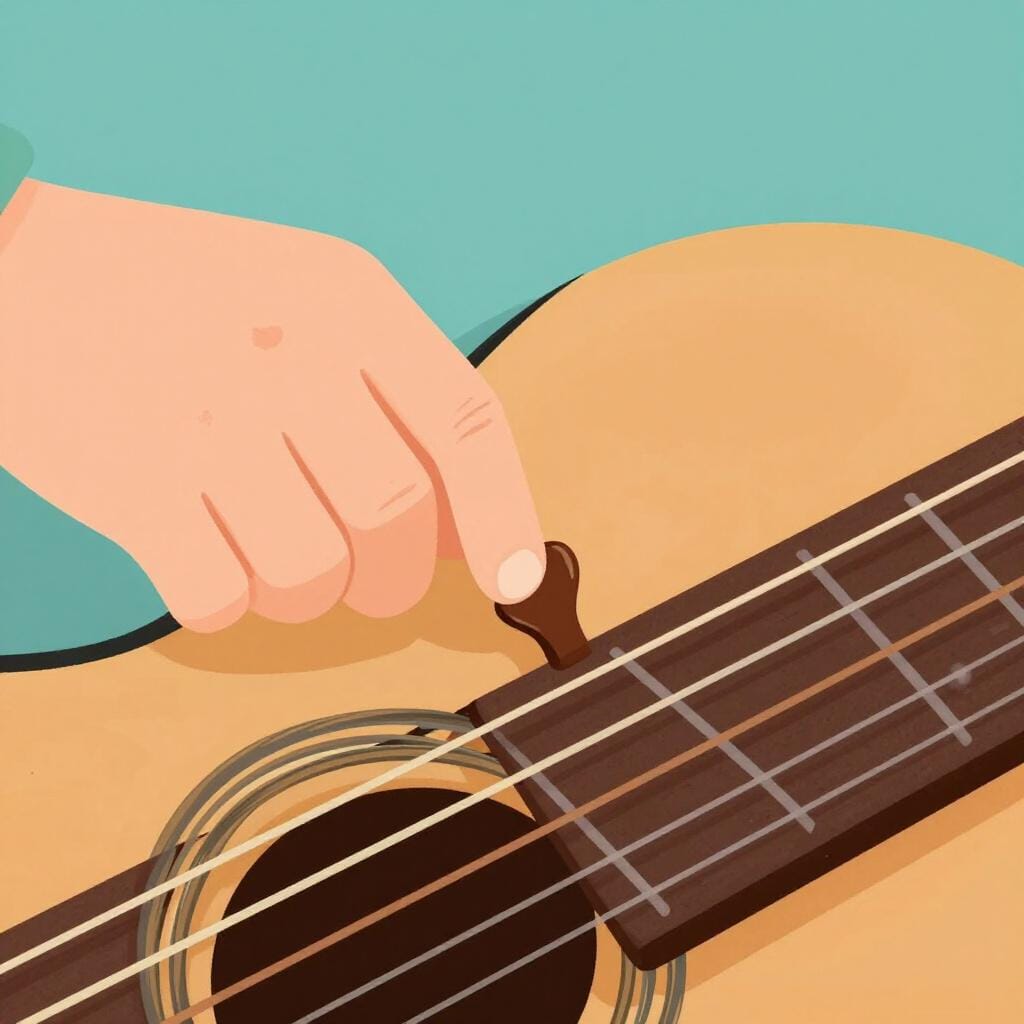
Necesito afinar mi guitarra antes del concierto.
I need to tune my guitar before the concert.
El mecánico está afinando el motor del coche.
The mechanic is tuning up the car's engine.
Ella canta muy bien, nunca deja de afinar.
She sings very well; she is never out of tune.
A standard -ar verb
This verb follows the regular pattern for all verbs ending in -ar. If you know how to change 'hablar,' you already know how to change 'afinar'!
Don't say 'tunear' for music
Mistake: “Voy a tunear mi guitarra.”
Correction: Voy a afinar mi guitarra. 'Tunear' is used for customizing cars or computer software, not musical instruments.
General vs. Specific Adjustments
Learn Spanish with Inklingo
Interactive stories, personalized learning, and more.