How to Say "to fit" in Spanish
The most common Spanish word for “to fit” is “caber” — use 'caber' when referring to whether something physically fits or has enough space within a container or area.
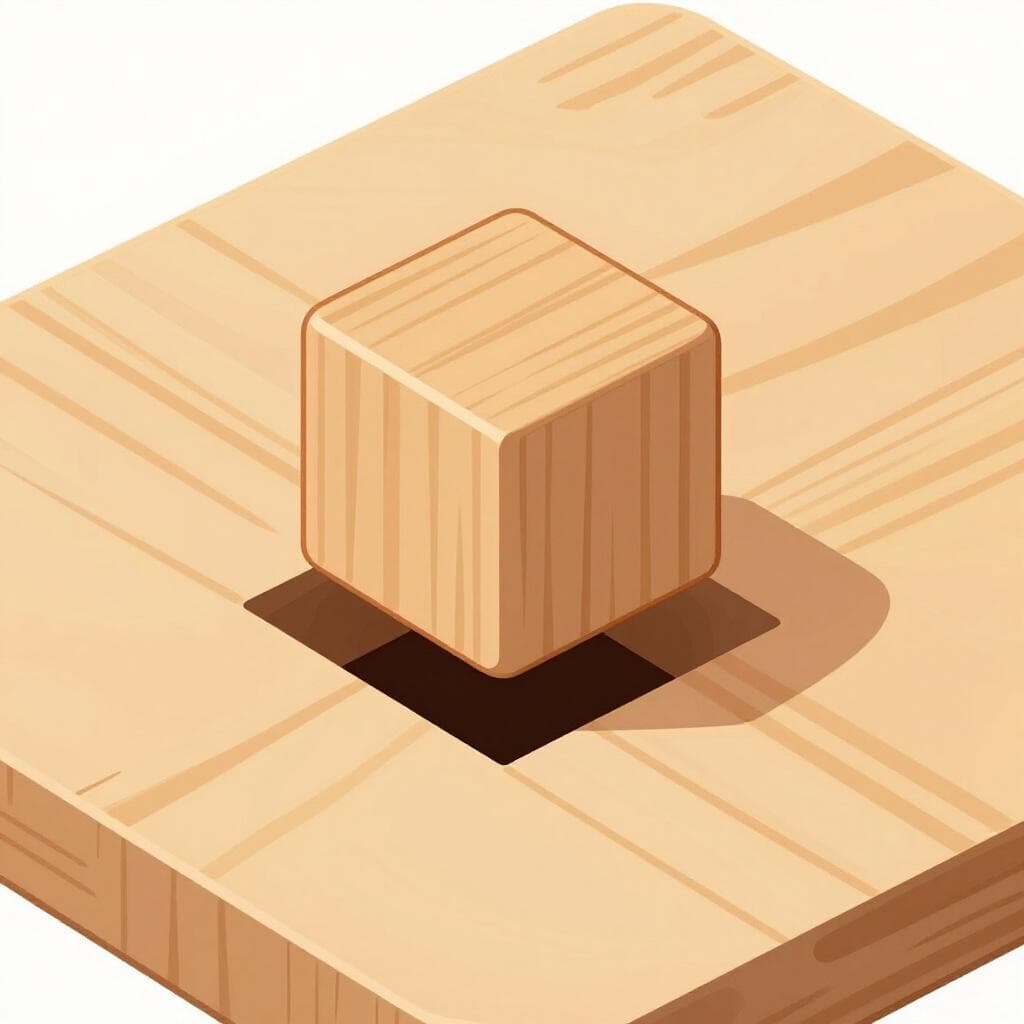
Use 'caber' when referring to whether something physically fits or has enough space within a container or area.
Learn more →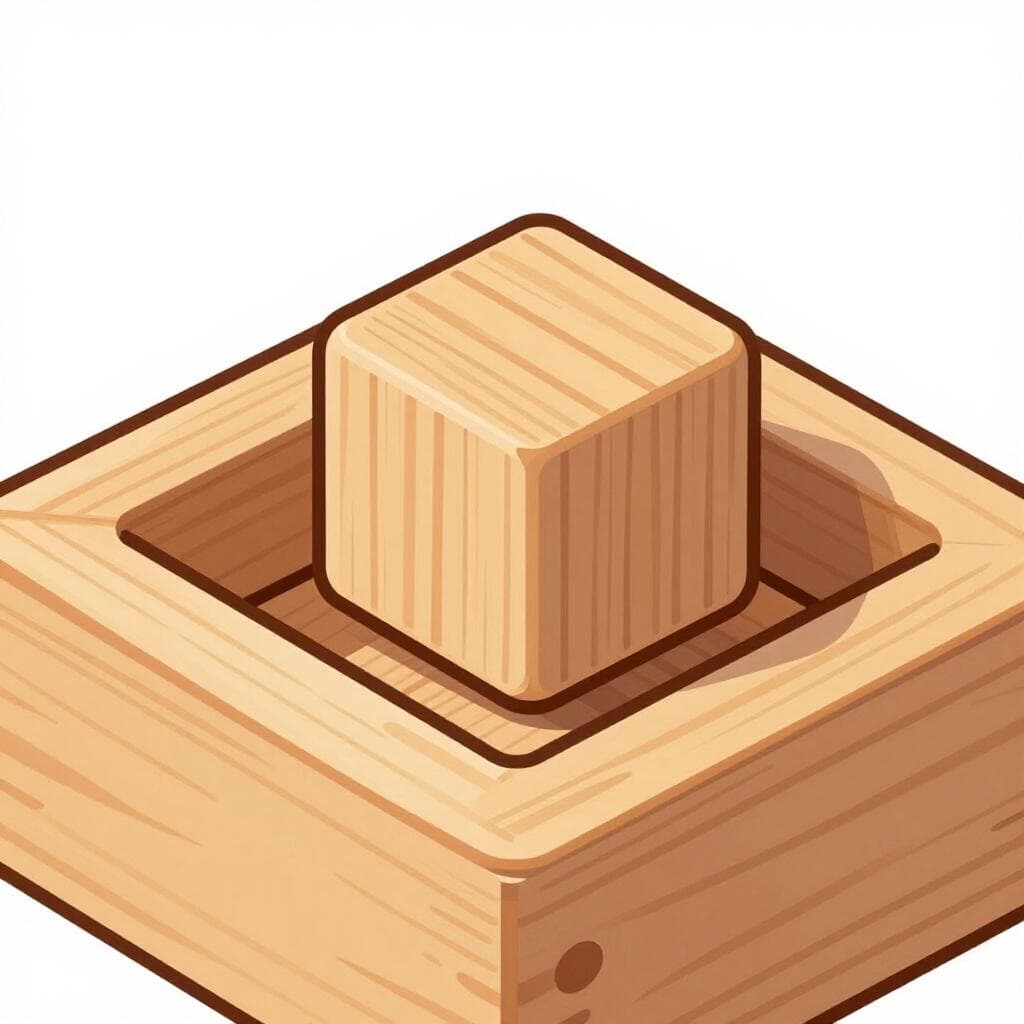
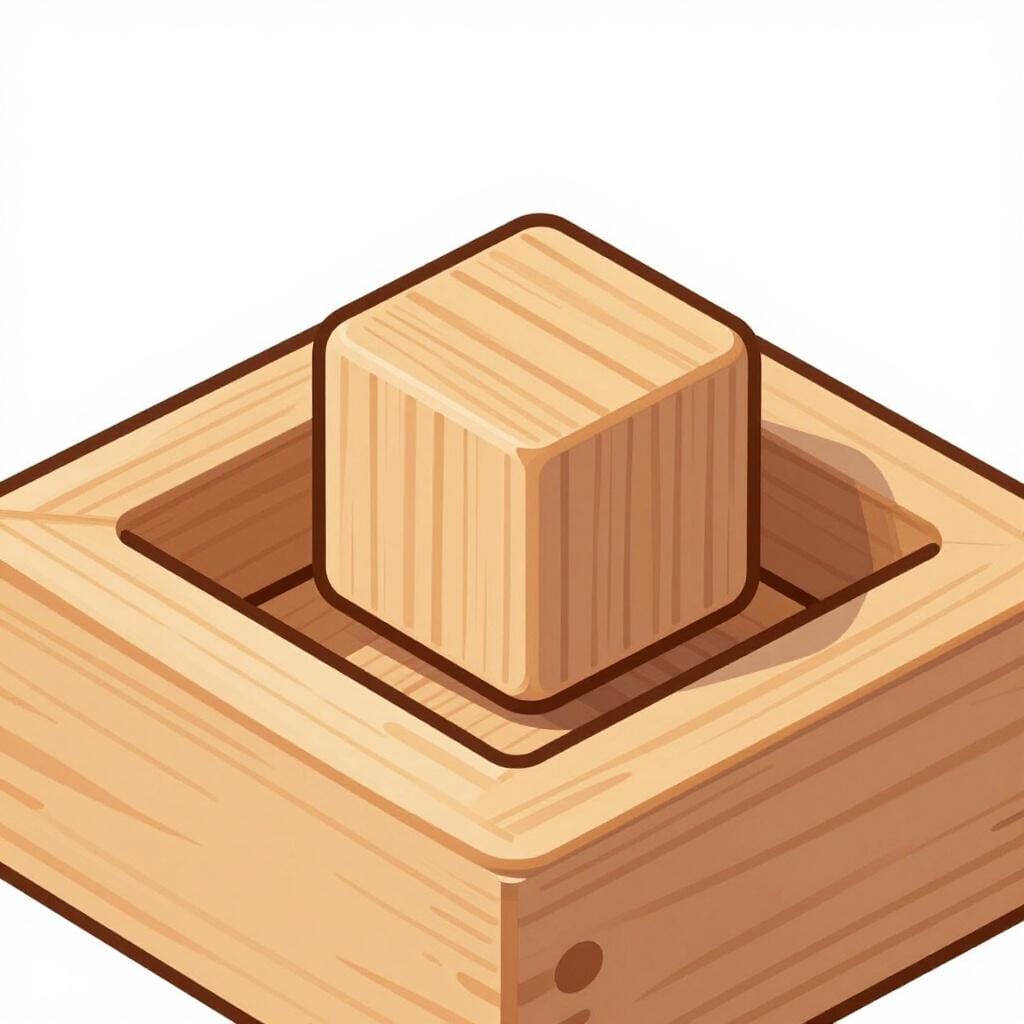
Use 'encajar' when describing how physical objects connect or fit together, like puzzle pieces or parts of a machine.
Learn more →
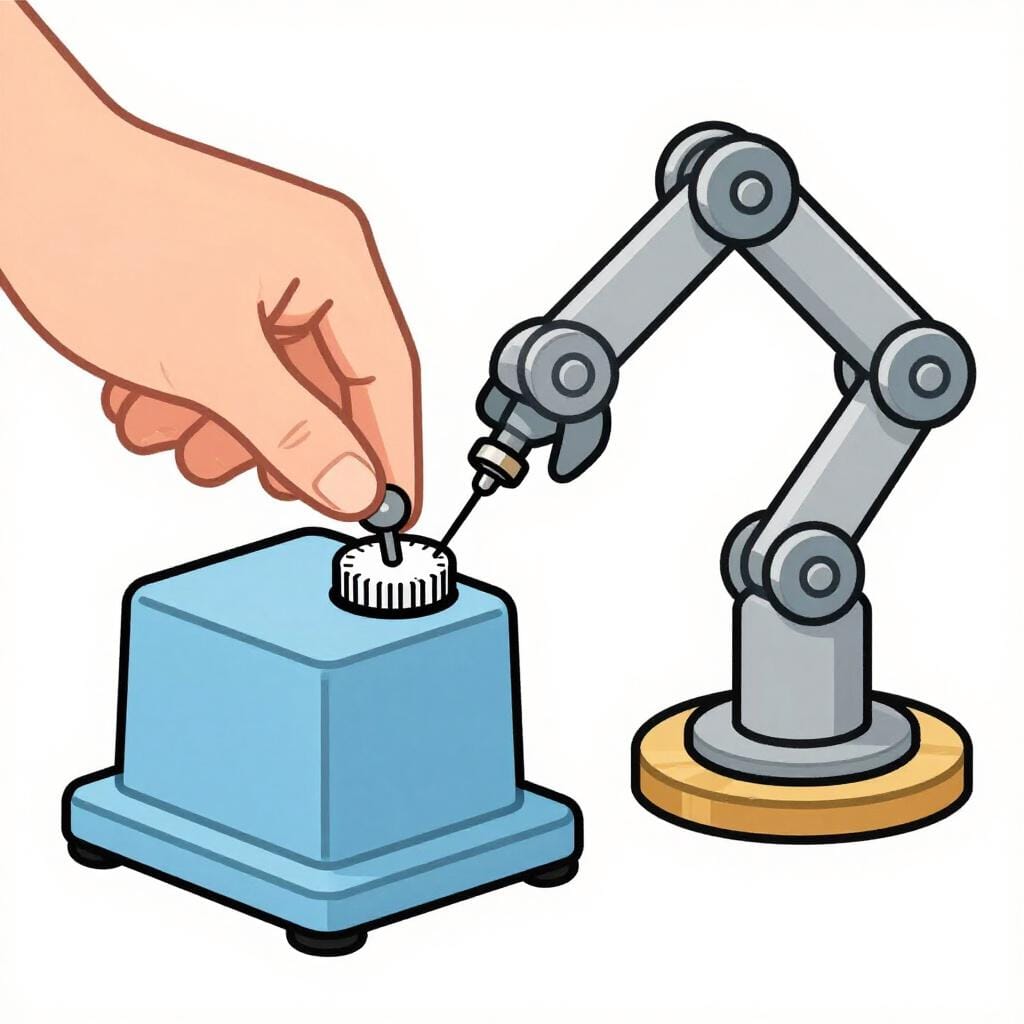
Use 'ajustar' when talking about making clothes or parts fit better by changing their size or position, often making them tighter.
Learn more →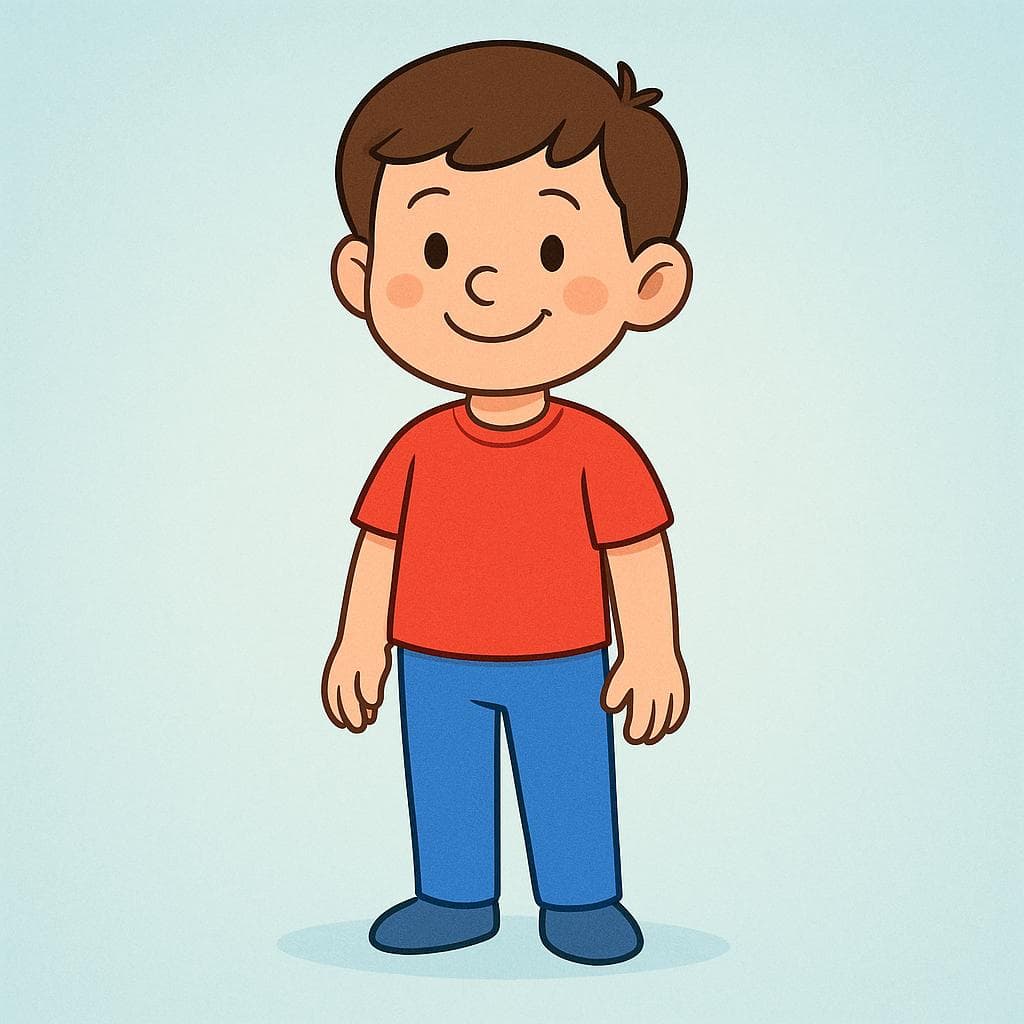
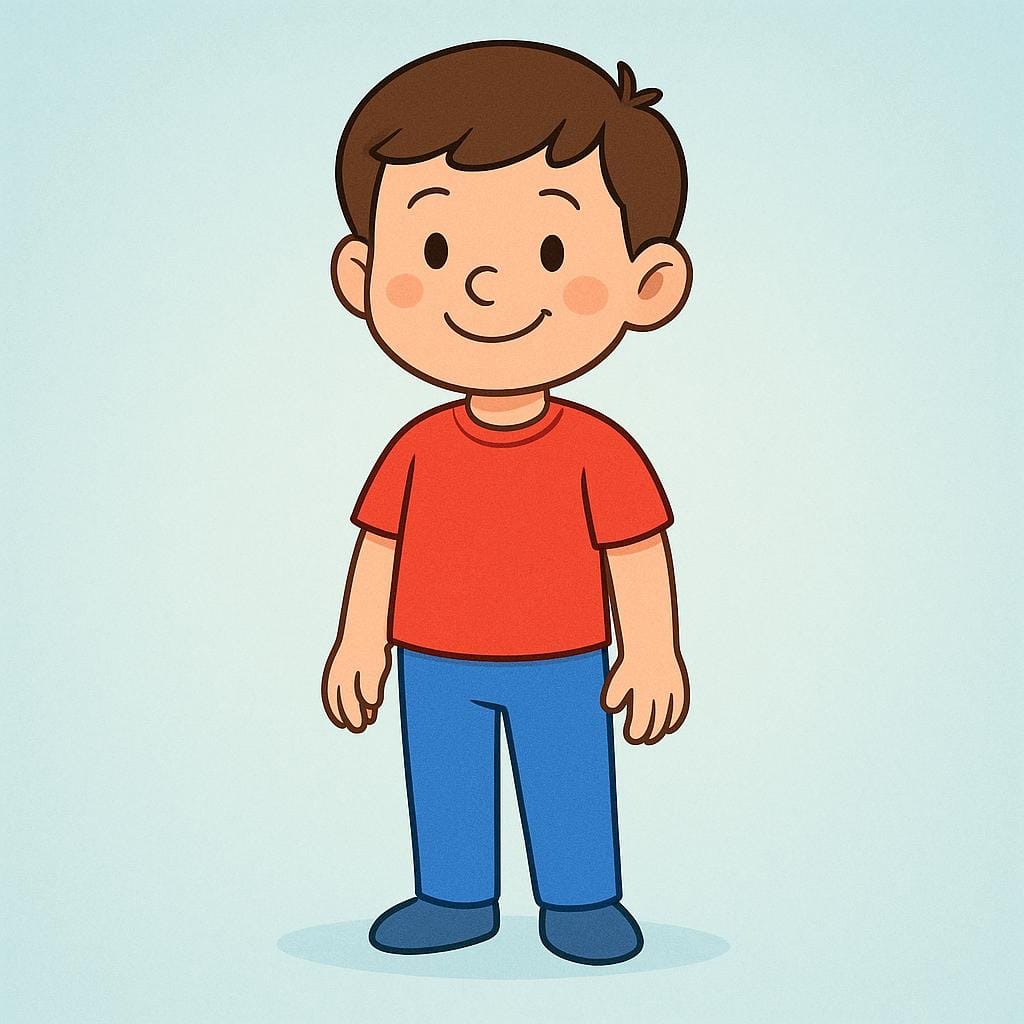
Use 'quedar' specifically for how clothes fit the body in terms of size and appearance.
Learn more →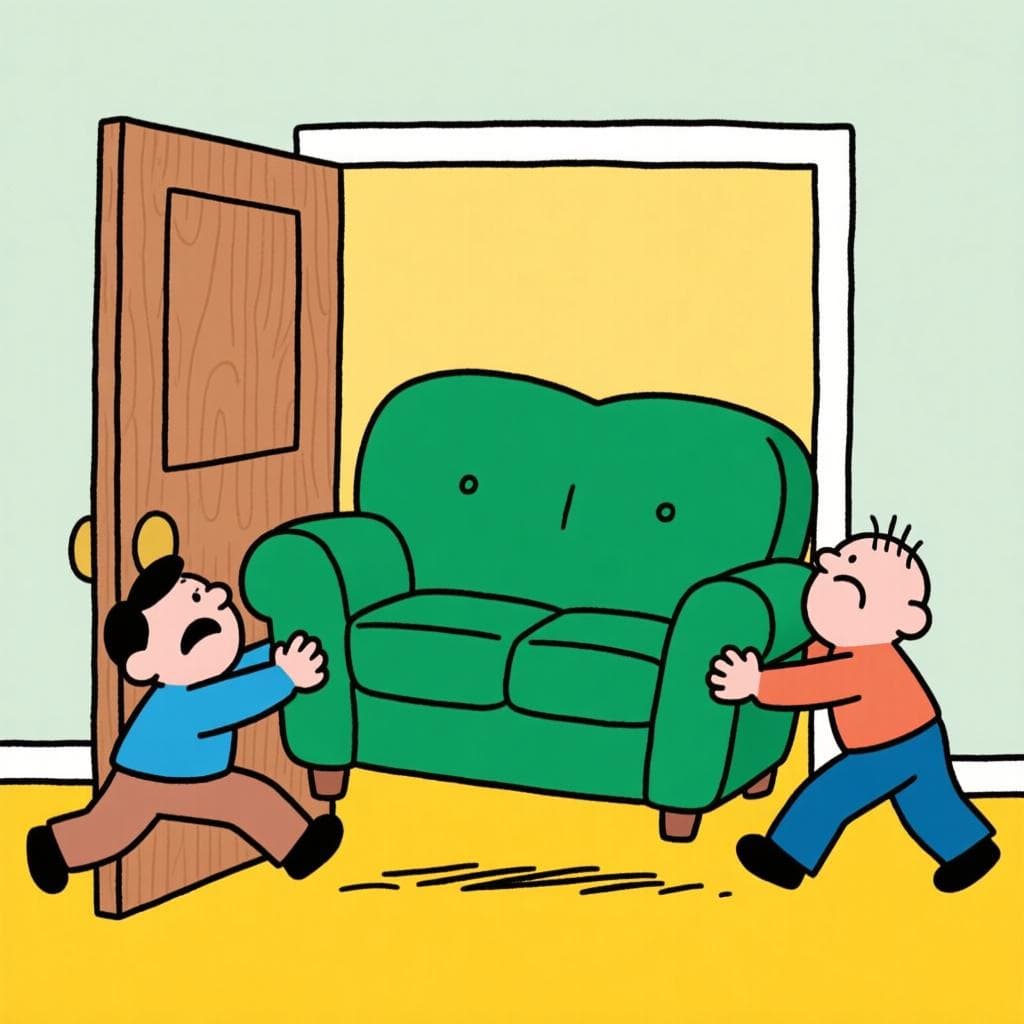
Use 'entrar' when an object's dimensions prevent it from passing through an opening or into a space.
Learn more →
Use 'adaptar' when modifying something to make it suitable or compatible with new conditions, rules, or environments.
Learn more →
Use 'venir' to describe how clothing fits the body, similar to 'quedar', often indicating if it's too big or too small.
Learn more →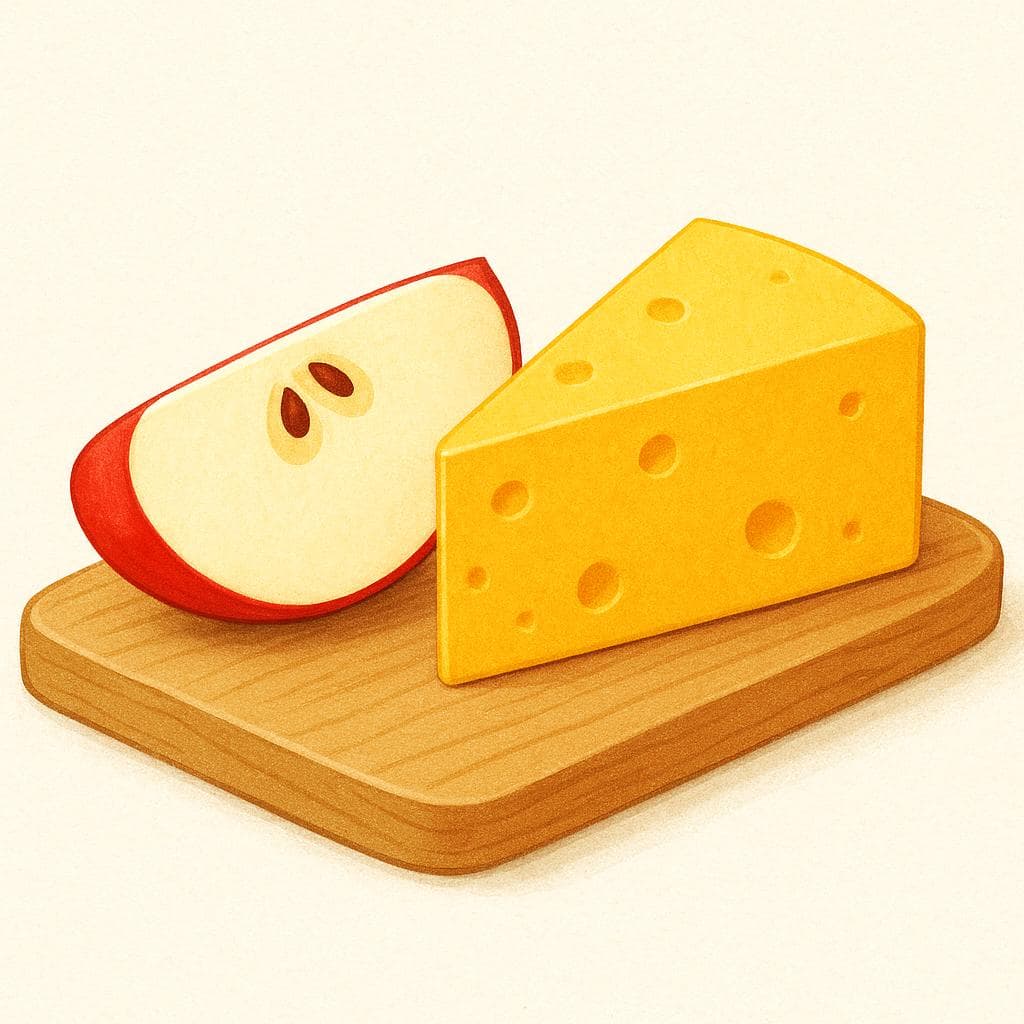
Use 'casar' when two things, like flavors or colors, harmonize well together or complement each other.
Learn more →kah-behrkaˈβeɾ

Examples
Mis libros no caben en la mochila.
My books don't fit in the backpack.
¿Cabrá el sofá por la puerta?
Will the sofa fit through the door?
En este estadio caben ochenta mil personas.
This stadium holds eighty thousand people.
Subject-Object Swap
In English, you might say 'the bag fits the books,' but in Spanish, 'the books' are the ones doing the action. You say 'los libros caben' (the books fit).
Unusual First Person
When talking about yourself fitting somewhere, the 'I' form changes to 'quepo' instead of 'cabo'. It's one of the few words that does this!
Using 'Cabió' in the past
Mistake: “La caja no cabió en el coche.”
Correction: La caja no cupo en el coche. (The past tense of this word uses 'cup-' instead of 'cab-').
en-kah-HARen.kaˈxaɾ
Examples
Esta pieza no encaja en el rompecabezas.
This piece doesn't fit in the puzzle.
La llave encajó perfectamente en la cerradura.
The key fitted perfectly in the lock.
Tienes que encajar la tapa antes de cerrar la caja.
You have to fit the lid on before closing the box.
Using 'en'
When you want to say something fits 'in' or 'into' something else, always use the word 'en' after encajar.
Encajar vs. Caber
Use 'encajar' when you mean things match or align correctly. Use 'caber' when you mean there is enough physical space for something.
Don't use for clothing
Mistake: “Estos pantalones no encajan.”
Correction: Estos pantalones no me quedan (bien) o no me valen. Use 'quedar' for how clothes fit your body.
ah-hoos-TARaxusˈtaɾ
Examples
Tengo que ajustar el cinturón porque me queda grande.
I have to adjust the belt because it's too big for me.
El mecánico ajustó los frenos de la bicicleta.
The mechanic adjusted the bicycle brakes.
Las piezas no ajustan bien en esta caja.
The pieces don't fit well in this box.
Ajustar vs. Quedar
Use 'ajustar' when YOU are doing the action of changing something to make it fit. Use 'quedar' to describe HOW something fits (e.g., 'La camisa me queda bien').
Adding 'se' for Personal Change
When you want to say you are 'adapting' to a new situation, add 'se' to the end (ajustarse) and use the word 'a' after it.
Confusing 'tighten' and 'adjust'
Mistake: “Ajustar los zapatos (when they are already tied).”
Correction: Use 'apretar' if you specifically mean to make them tighter, but 'ajustar' if you are just fixing the positioning.
keh-DAHRkeˈðaɾ
Examples
Esta camisa me queda muy pequeña.
This shirt fits me too small.
El vestido rojo te queda genial.
The red dress looks great on you.
Después de tanto trabajo, la casa quedó limpia.
After so much work, the house ended up clean.
Expressing how clothes fit
When talking about clothes, 'quedar' behaves like 'gustar' again. Use indirect object pronouns (me, te, le, nos, os, les) to show who the clothes fit: 'El pantalón me queda grande' (The pants fit me big).
Using 'ser' or 'estar' for results
Mistake: “La comida está buena. (The food is good.) when describing the final result.”
Correction: La comida quedó buena. (The food turned out good.) – Use 'quedar' to describe the outcome of a process.
en-TRARenˈtɾaɾ
Examples
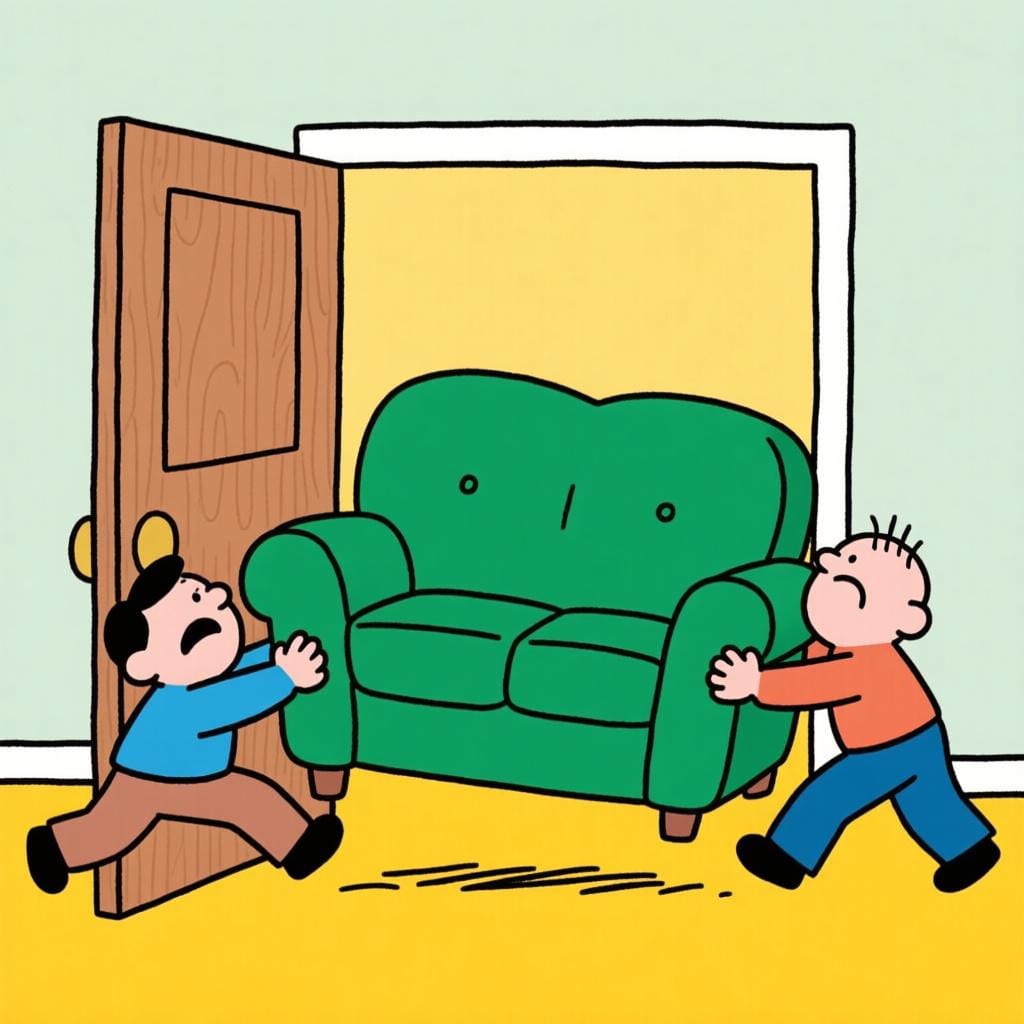
El sofá no entra por la puerta.
The sofa doesn't fit through the door.
Esta llave no entra en la cerradura.
This key doesn't go in the lock.
¿Crees que toda la ropa entrará en una sola maleta?
Do you think all the clothes will fit in just one suitcase?
ah-dahp-TARadapˈtaɾ

Examples
Tenemos que adaptar el plan a las nuevas reglas.
We have to adapt the plan to the new rules.
Adapté la silla para que fuera más cómoda.
I adjusted the chair so it would be more comfortable.
Es difícil adaptar una empresa a un mercado diferente.
It is difficult to adapt a company to a different market.
Using the 'a' connector
When you adapt something to something else, always use the word 'a' (to) after the verb. For example: 'Adaptar el coche a la nieve'.
Confusing Adaptar with Adaptarse
Mistake: “Yo adapto a la nueva ciudad.”
Correction: Me adapto a la nueva ciudad. Use the reflexive 'me/te/se' forms when you are the one changing to fit in.
beh-NEERbeˈniɾ

Examples
Esta falda me viene un poco grande.
This skirt fits me a little big.
Ahora no me viene bien hablar, ¿te llamo luego?
It doesn't suit me to talk right now, can I call you later?
Tu ayuda me vendría de maravilla.
Your help would be wonderful for me.
Works Like 'Gustar'
When 'venir' means 'to fit' or 'to suit', it often works like 'gustar'. The thing that fits is in charge of the verb. So you say 'La camisa me viene bien' (The shirt fits me well), not 'Yo vengo bien la camisa'.
cah-SAHRkaˈsaɾ
Examples
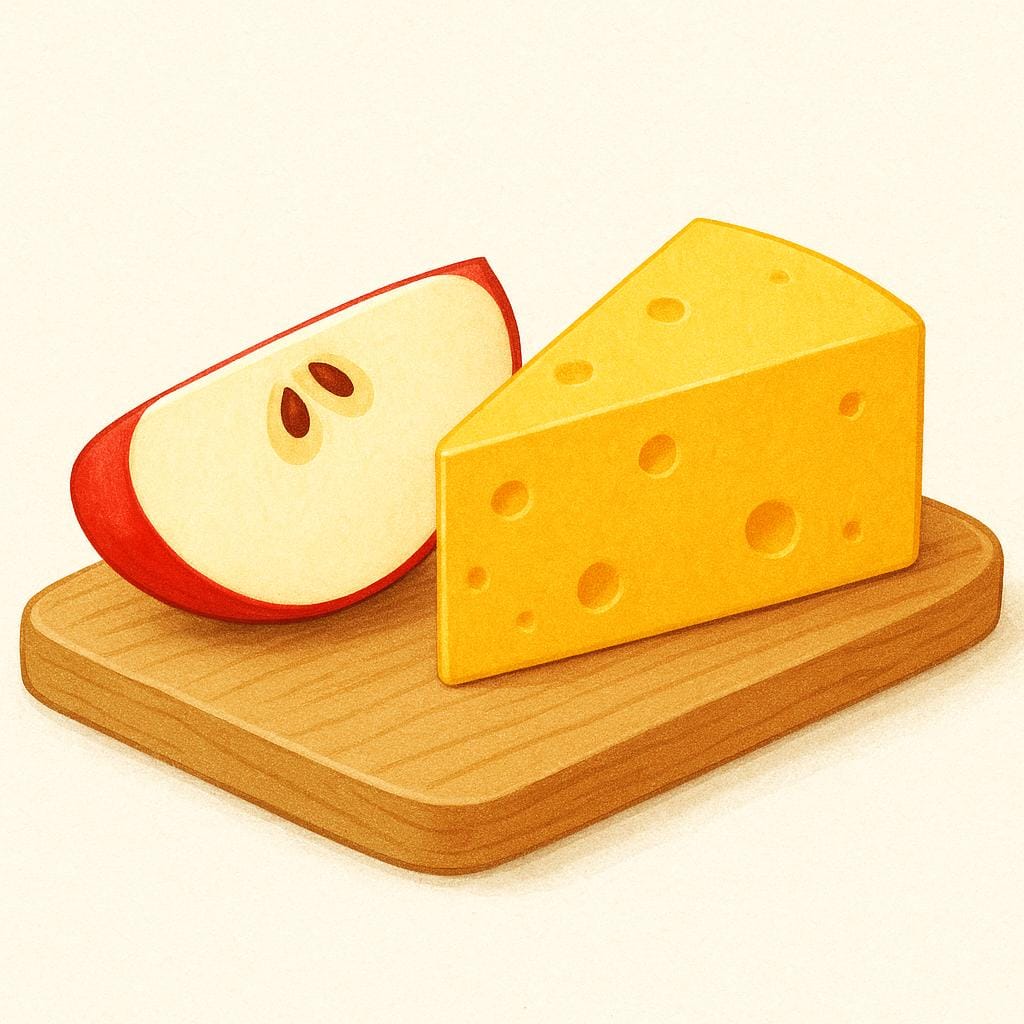
El vino tinto no casa bien con el pescado.
Red wine doesn't pair well with fish.
Estos colores no casan; son demasiado diferentes.
These colors don't match; they are too different.
Figurative Use
In this sense, 'casar' is used just like 'to match' in English, showing that two things go together or complement each other.
Physical Fit vs. Size
Learners often confuse 'caber' and 'entrar' with verbs describing clothing size like 'quedar' or 'venir'. Remember 'caber' and 'entrar' are about physical space, while 'quedar' and 'venir' specifically describe how clothes look and feel on you.
Related Translations
Learn Spanish with Inklingo
Interactive stories, personalized learning, and more.