caber
“caber” means “to fit” in Spanish. It has 2 different meanings depending on context:
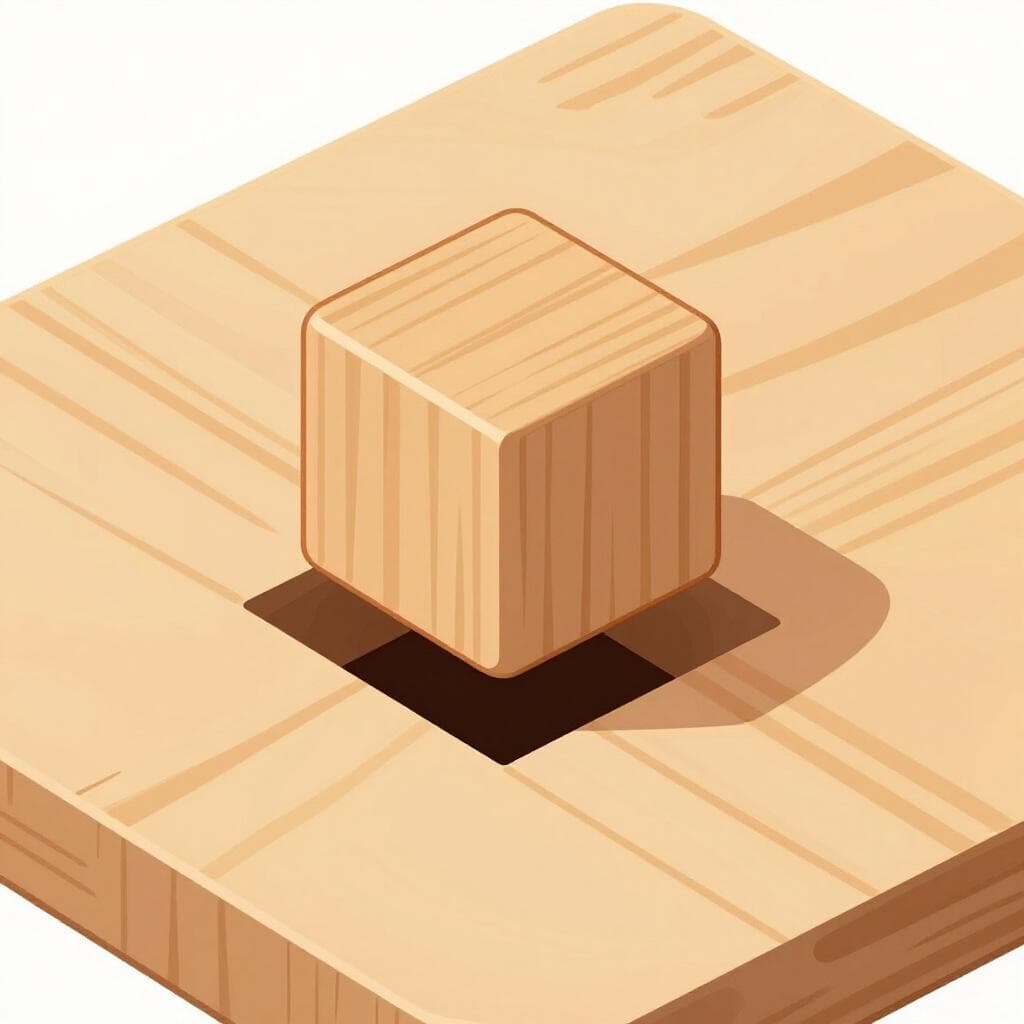

to fit
Also: to have room for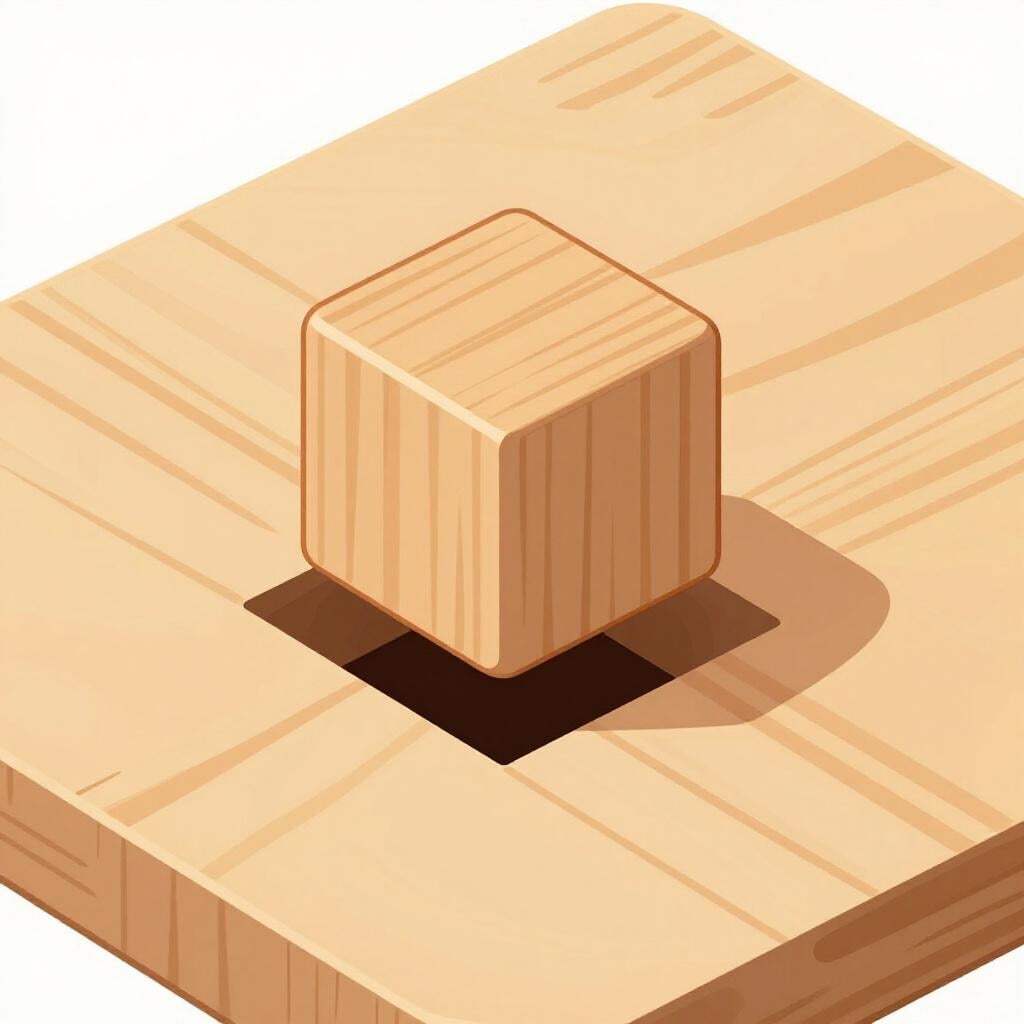
📝 In Action
Mis libros no caben en la mochila.
A1My books don't fit in the backpack.
¿Cabrá el sofá por la puerta?
B1Will the sofa fit through the door?
En este estadio caben ochenta mil personas.
B2This stadium holds eighty thousand people.
to be possible
Also: to be room for
📝 In Action
Cabe la posibilidad de que lleguemos tarde.
B2There is a possibility that we might be late.
No cabe duda de que es el mejor jugador.
B1There is no doubt that he is the best player.
Subjunctive
Imperfect Subjunctive
Present Subjunctive
Indicative
Preterite
Imperfect
Present
✏️ Quick Practice
Quick Quiz: caber
Question 1 of 3
How do you say 'I fit' in the present tense?
📚 More Resources
👥 Word Family▼
📚 Etymology▼
From the Latin word 'capere', which means 'to take' or 'to seize'. It evolved from the idea of 'containing' or 'holding' something.
First recorded: 12th century
Cognates (Related words)
💡 Master Spanish
Take your Spanish to the next level. Read 200+ illustrated and narrated Spanish stories tailored to your level with the Inklingo app!
Frequently Asked Questions
Can I use 'entrar' instead of 'caber'?
Often yes! 'Entrar' means 'to enter', so you can say 'No entra en la caja' to mean 'It doesn't fit in the box'. However, 'caber' specifically focuses on the space available.
Why is this verb so irregular?
It is one of the oldest verbs in Spanish. Many verbs that deal with basic concepts like space and existence developed unique shortcuts and sound changes over centuries.
Is 'caber' used for clothes fitting?
It can be, but 'quedar' is more common for clothing. 'Esta camisa me queda bien' means the shirt fits/suits you. 'No quepo en esta camisa' means the shirt is physically too small for you to even get into it.