How to Say "to match" in Spanish
The most common Spanish word for “to match” is “combinar” — use 'combinar' when talking about clothing, colors, or items that look good or go well together aesthetically.
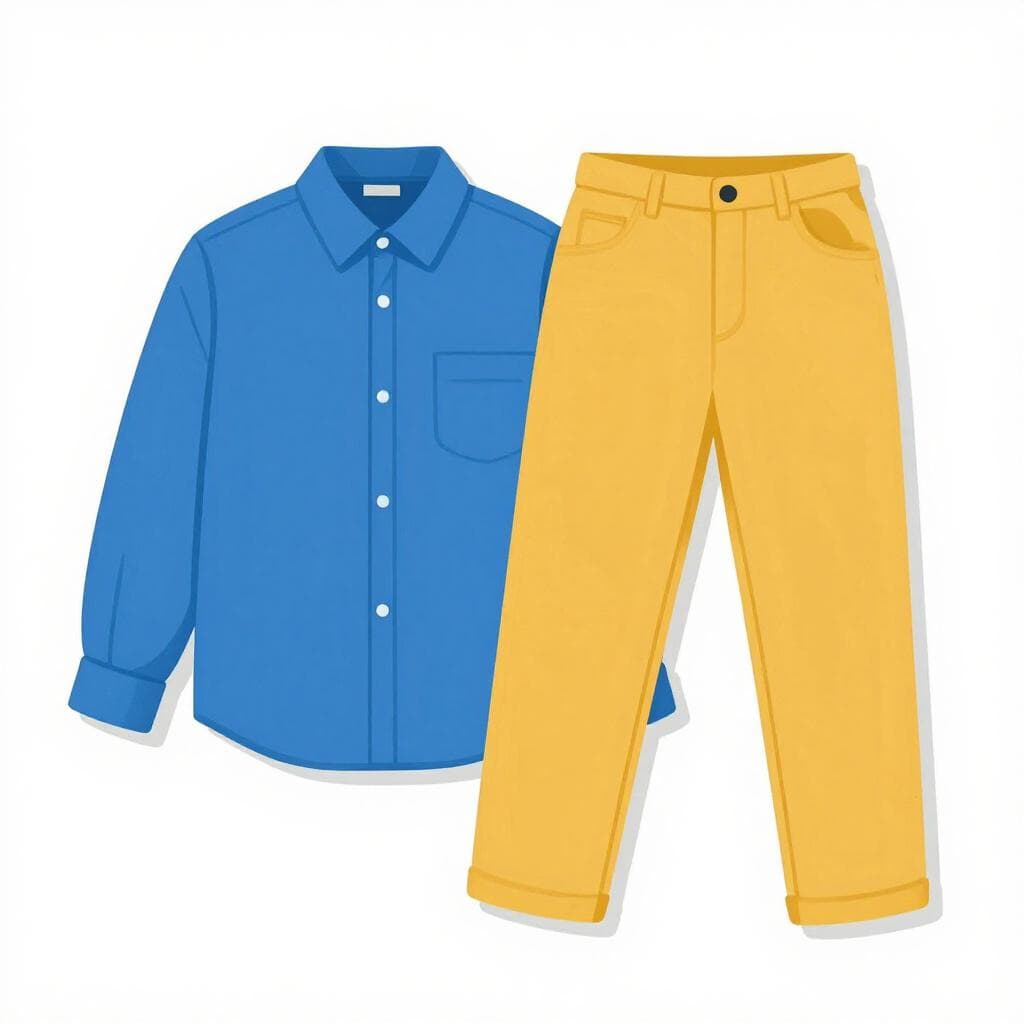
Use 'combinar' when talking about clothing, colors, or items that look good or go well together aesthetically.
Learn more →
Use 'concordar' when statements, ideas, or data align or are in agreement with each other.
Learn more →
Use 'igualar' when referring to achieving the same score, level, or record as someone or something.
Learn more →
Use 'encajar' when something fits into a space, a situation, or a group, often implying a sense of belonging or suitability.
Learn more →
Use 'corresponder' when two things are equivalent, correspond to each other, or fit a specific role or expectation.
Learn more →
Use 'casar' when flavors, colors, or items are compatible and create a pleasing combination.
Learn more →
Use 'coincidir' when opinions, statements, or events happen at the same time or are in agreement.
Learn more →
Use 'empatar' specifically in sports or competitions when a score or record is equalized.
Learn more →kom-bee-NAHRkombiˈnaɾ
Examples
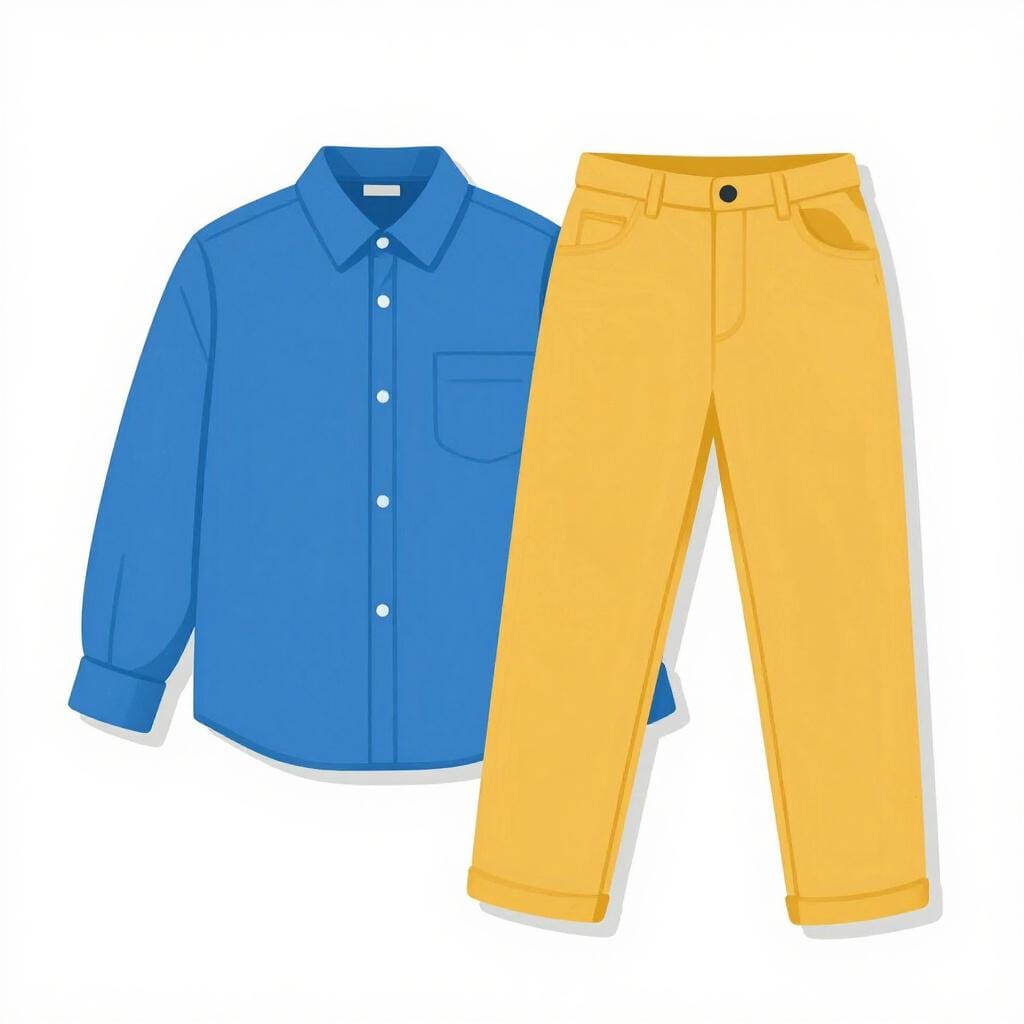
Esa camisa azul combina perfectamente con tus pantalones grises.
That blue shirt matches your gray pants perfectly.
Esos zapatos no combinan con el vestido.
Those shoes don't match the dress.
Me gusta cómo combinaste la corbata y la camisa.
I like how you matched the tie and the shirt.
El azul combina con casi todo.
Blue goes with almost everything.
Matching Styles
When saying something 'matches' in Spanish, we usually use the word 'con' afterwards, as in 'Esta falda combina CON esa blusa'.
Using 'Match'
Mistake: “Saying 'Esto hace match'.”
Correction: While 'match' is used in apps, for clothing and colors, 'combinar' is the natural choice.
kohn-kohr-DAHRkoŋ.koɾˈðar

Examples
Los testimonios de los testigos concuerdan con la evidencia.
The witnesses' testimonies match the evidence.
Sus palabras no concuerdan con sus acciones.
His words do not match his actions.
Los datos de la policía concuerdan con el informe médico.
The police data matches the medical report.
Concuerdo contigo en que necesitamos más tiempo.
I agree with you that we need more time.
The 'O' to 'UE' Swap
This verb is a stem-changer. When the stress falls on the 'o' (like in 'yo' or 'tú' forms), it becomes 'ue' (concuerdo). The 'o' stays the same in 'nosotros' and 'vosotros'.
The 'Con' Connection
Just like in English we match something 'with' something else, in Spanish you almost always follow this verb with 'con'.
Forgetting the 'ue'
Mistake: “Yo concordo contigo.”
Correction: Yo concuerdo contigo. Because the stress is on that syllable, the 'o' must change to 'ue'.
Using it for matching clothes
Mistake: “Mi camisa concuerda con mis pantalones.”
Correction: Mi camisa combina con mis pantalones. Use 'concordar' for facts and ideas, and 'combinar' for colors or clothing styles.
ee-gwa-LAHRi.ɣwaˈlaɾ
Examples
El atleta intentó igualar su récord personal.
The athlete tried to match his personal record.
El equipo logró igualar el marcador en el último minuto.
The team managed to tie the score in the last minute.
Necesito igualar las patas de esta silla porque cojea.
I need to level the legs of this chair because it wobbles.
Nadie ha podido igualar su récord de natación.
No one has been able to match his swimming record.
Igualar vs. Ser igual
Use 'igualar' when you are taking an action to make things the same. Use 'ser igual' to describe two things that are already the same.
Using 'a' with People
When 'igualar' means matching or being as good as a specific person, you must use the 'personal a': 'Nadie puede igualar a María'.
Matching the Score
Mistake: “Nadie puede igual el récord.”
Correction: Nadie puede igualar el récord. (Make sure to use the full verb form, not just the adjective 'igual').
en-kah-HARen.kaˈxaɾ

Examples
Sus ideas no encajan con la estrategia del equipo.
His ideas do not match the team's strategy.
Me costó mucho encajar en mi nuevo trabajo.
It was hard for me to fit in at my new job.
Tus ideas encajan perfectamente con nuestra visión.
Your ideas match our vision perfectly.
Ella nunca sintió que encajara en ese grupo de amigos.
She never felt like she fit in with that group of friends.
Abstract Matching
This word describes a harmony between things, like a person's personality and a company's culture.
Don't say 'encajar con'
Mistake: “No encajo con el grupo.”
Correction: While you will hear 'con', 'en' is much more natural for social groups: 'No encajo en el grupo'.
ko-rre-spon-DAREkoresponˈder

Examples
Los datos del informe no corresponden con la realidad.
The data in the report does not match reality.
Estos resultados no corresponden con nuestras expectativas.
These results do not match our expectations.
Cada número corresponde a una letra del alfabeto.
Each number corresponds to a letter of the alphabet.
'Con' vs 'A'
Use 'con' when two things match each other (like facts and reality). Use 'a' when one thing points to its equivalent (like a key to a door).
cah-SAHRkaˈsaɾ

Examples
El sabor del queso casa muy bien con la miel.
The flavor of the cheese matches very well with honey.
El vino tinto no casa bien con el pescado.
Red wine doesn't pair well with fish.
Estos colores no casan; son demasiado diferentes.
These colors don't match; they are too different.
Figurative Use
In this sense, 'casar' is used just like 'to match' in English, showing that two things go together or complement each other.
koyn-see-DEERkoinsiˈðiɾ

Examples
Nuestras opiniones sobre el libro coinciden.
Our opinions on the book match.
Coincido contigo en que la película fue aburrida.
I agree with you that the movie was boring.
Los testimonios de los testigos no coinciden.
The witnesses' testimonies do not match.
Nuestras opiniones coinciden plenamente.
Our opinions match perfectly / We are in full agreement.
Agreeing with an Action
If you want to say you agree that something is happening, use 'coincidir en que' followed by your explanation.
Matching Data
When talking about numbers, dates, or facts being the same, you don't need 'con'. Just say 'Los datos coinciden'.
Agreement: Person vs. Opinion
Mistake: “Coincido tu opinión.”
Correction: Coincido con tu opinión. Even with objects/opinions, you usually need 'con' to show what you are matching with.
em-pah-TARempaˈtaɾ

Examples
El jugador empató el partido con un gol en el último minuto.
The player matched the game with a goal in the last minute.
Ella empató el récord mundial de salto de altura.
She matched the world record for high jump.
Es difícil empatar las ventas del año pasado.
It is difficult to match last year's sales.
Nadie ha podido empatar su marca personal todavía.
Nobody has been able to equal his personal best yet.
Direct objects
When empatar means 'to match a record,' the record is the direct object—the thing being acted upon. You don't need 'a' here unless the record is personified.
Aesthetic vs. Factual Matching
Learners often confuse words like 'combinar' (aesthetic fit) with 'concordar' or 'corresponder' (factual agreement or equivalence). Remember: 'Combinar' is for things that look good together (like clothes), while 'concordar' and 'corresponder' are for data, statements, or results that align or are equivalent.
Related Translations
Learn Spanish with Inklingo
Interactive stories, personalized learning, and more.