How to Say "to calibrate" in Spanish
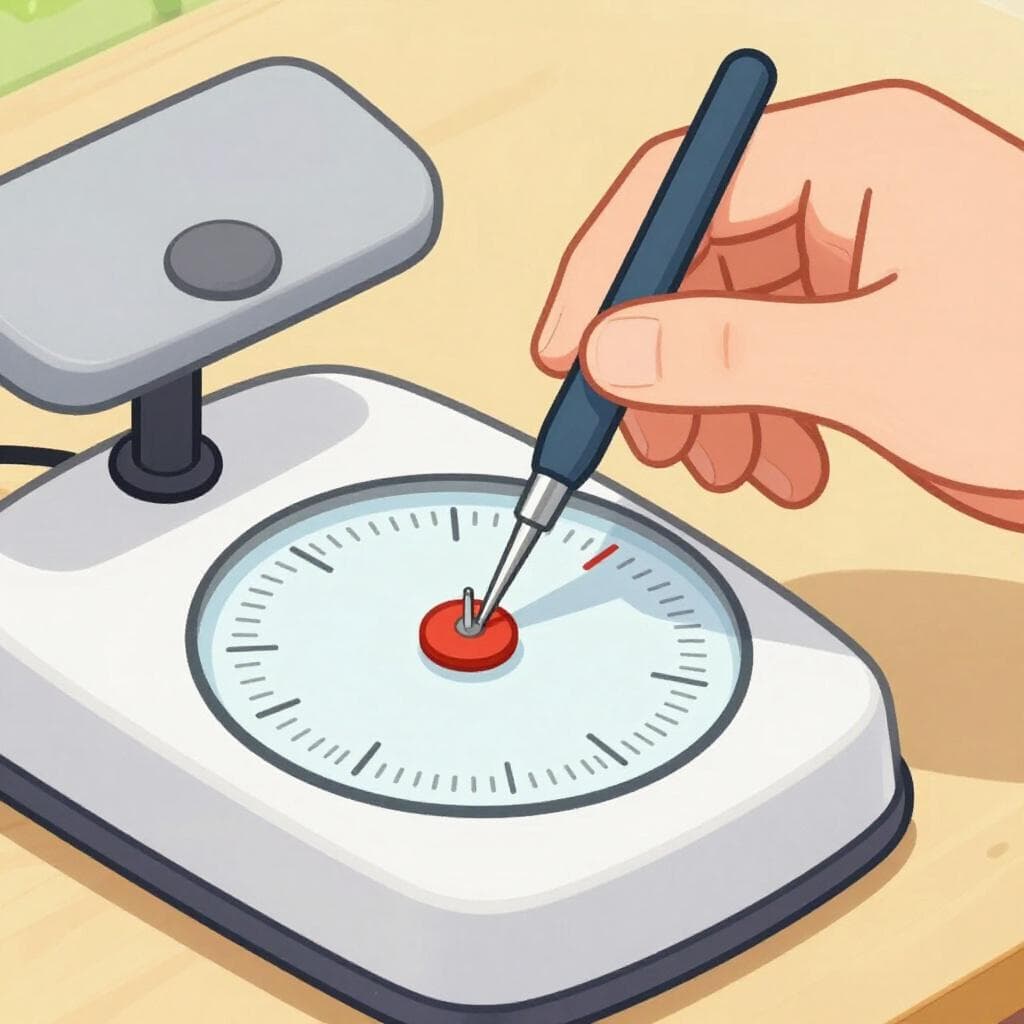
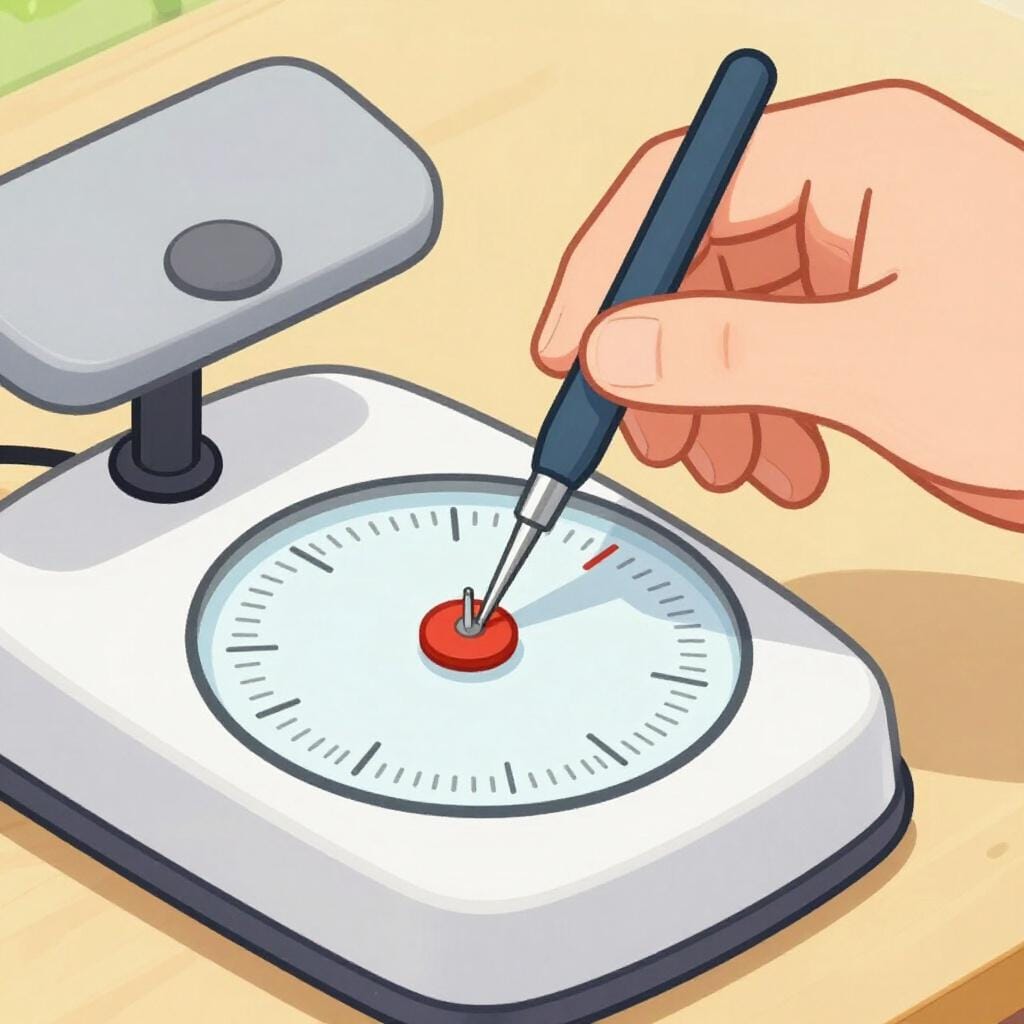
The most common Spanish word for “to calibrate” is “calibrar” — use 'calibrar' when you need to adjust or set a measuring instrument or tool to ensure accuracy.
kah-lee-brarkaliˈβɾaɾ
Examples
Tienes que calibrar la balanza antes de pesar los ingredientes.
You have to calibrate the scale before weighing the ingredients.
El técnico está calibrando el microscopio del laboratorio.
The technician is calibrating the laboratory microscope.
Es importante calibrar el monitor para ver los colores reales.
It is important to calibrate the monitor to see true colors.
A Regular Friend
This is a regular -ar verb. It follows the same pattern as 'hablar' or 'cantar' in every single tense, making it very predictable for learners.
Direct Action
You don't need a preposition between the verb and the object. You simply 'calibrar algo' (calibrate something), just like in English.
Spelling Slip-up
Mistake: “calivrar”
Correction: calibrar (always with a 'b').
grah-dwahrɡɾaˈðwaɾ
Examples
Tienes que graduar el termostato para que no haga tanto frío.
You have to adjust the thermostat so it isn't so cold.
Necesito ir al oculista para graduar mi vista.
I need to go to the eye doctor to have my vision tested.
Es posible graduar la intensidad de estas luces.
It is possible to regulate the intensity of these lights.
Specific Objects
In this technical sense, you are doing the action TO something (like a knob or an instrument), so you don't use 'se'.
Using 'ajustar' for everything
Mistake: “Voy al oculista para ajustar mi vista.”
Correction: Voy al oculista para graduar mi vista. While 'ajustar' means adjust, 'graduar' is the specific word used for checking vision levels.
Calibrar vs. Graduar
The most common mistake is using 'calibrar' for general adjustments. Remember, 'calibrar' specifically refers to fine-tuning instruments for accuracy, while 'graduar' is for setting levels on devices.
Related Translations
Learn Spanish with Inklingo
Interactive stories, personalized learning, and more.