How to Say "to gauge" in Spanish
The most common Spanish word for “to gauge” is “calibrar” — use 'calibrar' when you need to measure or assess something precisely, often in a technical or strategic sense, like evaluating strengths, performance, or a situation's complexity.

Use 'calibrar' when you need to measure or assess something precisely, often in a technical or strategic sense, like evaluating strengths, performance, or a situation's complexity.
Learn more →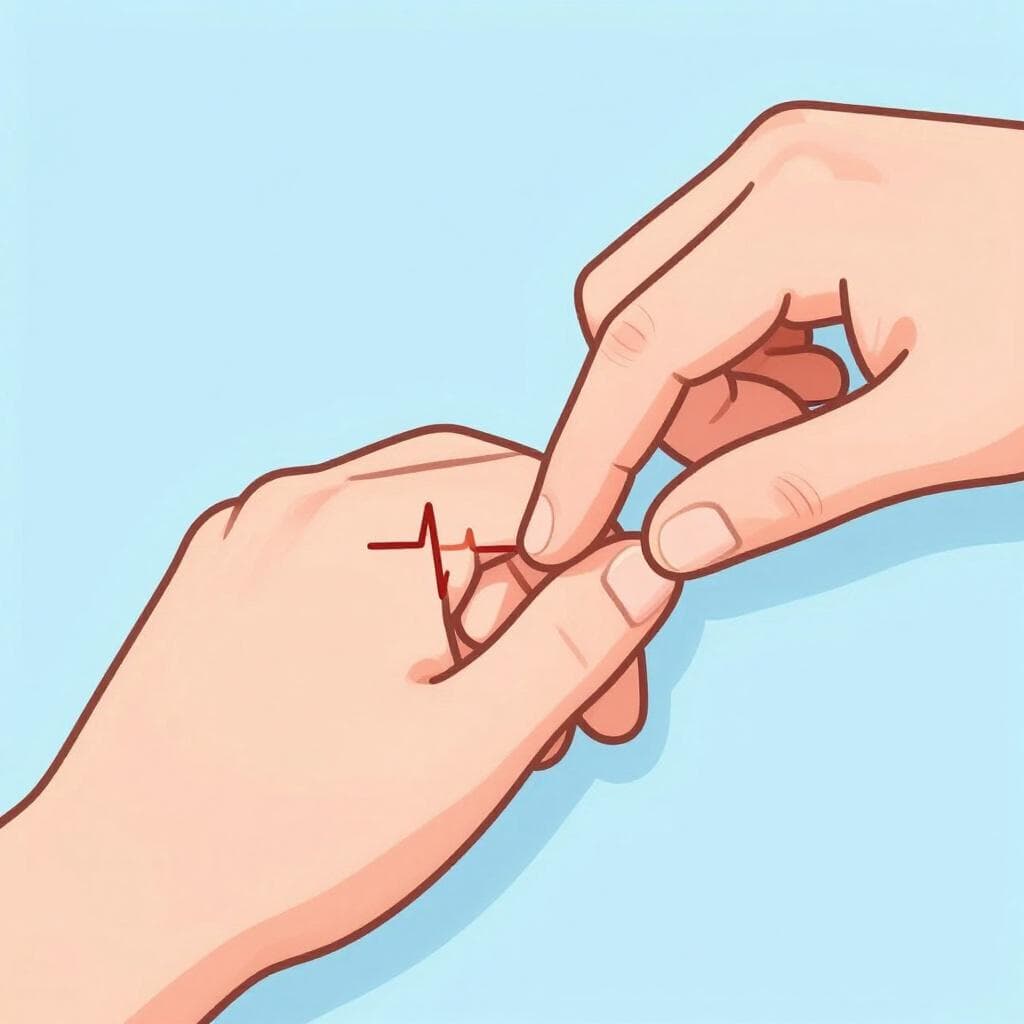
Use 'pulsar' when the action involves physically touching or feeling something to assess its condition, like checking a pulse or testing the firmness of an object.
Learn more →kah-lee-brarkaliˈβɾaɾ

Examples
Debemos calibrar bien nuestras fuerzas antes del partido.
We must gauge our strengths well before the match.
No supo calibrar el impacto de sus palabras.
He didn't know how to assess the impact of his words.
El político intentaba calibrar la opinión pública.
The politician was trying to gauge public opinion.
Abstract Use
When used for ideas instead of tools, this verb becomes quite formal. It suggests a careful, logical measurement of a situation.
Too literal?
Mistake: “No puedo medir tus sentimientos.”
Correction: In a formal context, use 'calibrar' to sound more sophisticated: 'No puedo calibrar tus sentimientos'.
pool-SAHRpulˈsaɾ
Examples
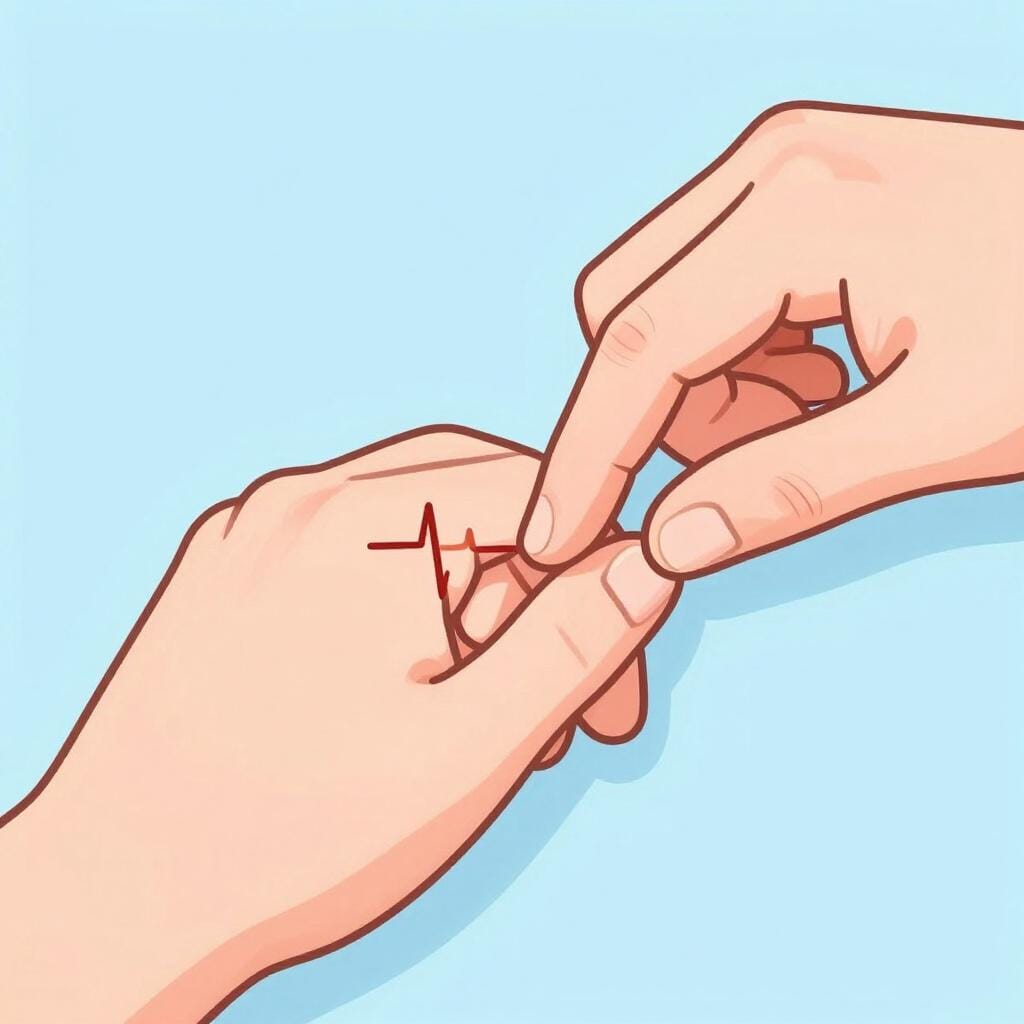
La enfermera pulsó la muñeca del paciente.
The nurse felt the patient's wrist pulse.
El periodista quería pulsar la opinión pública antes de las elecciones.
The journalist wanted to gauge public opinion before the elections.
Figurative Use
Just like in English we 'take the pulse' of a room, in Spanish you 'pulsar' a situation to see how people feel.
Calibrar vs. Pulsar
Learners often confuse 'calibrar' and 'pulsar' when 'to gauge' means to evaluate a situation. Remember that 'calibrar' is for a more abstract or strategic assessment, while 'pulsar' usually involves a physical touch or assessment.
Related Translations
Learn Spanish with Inklingo
Interactive stories, personalized learning, and more.