How to Say "routine" in Spanish
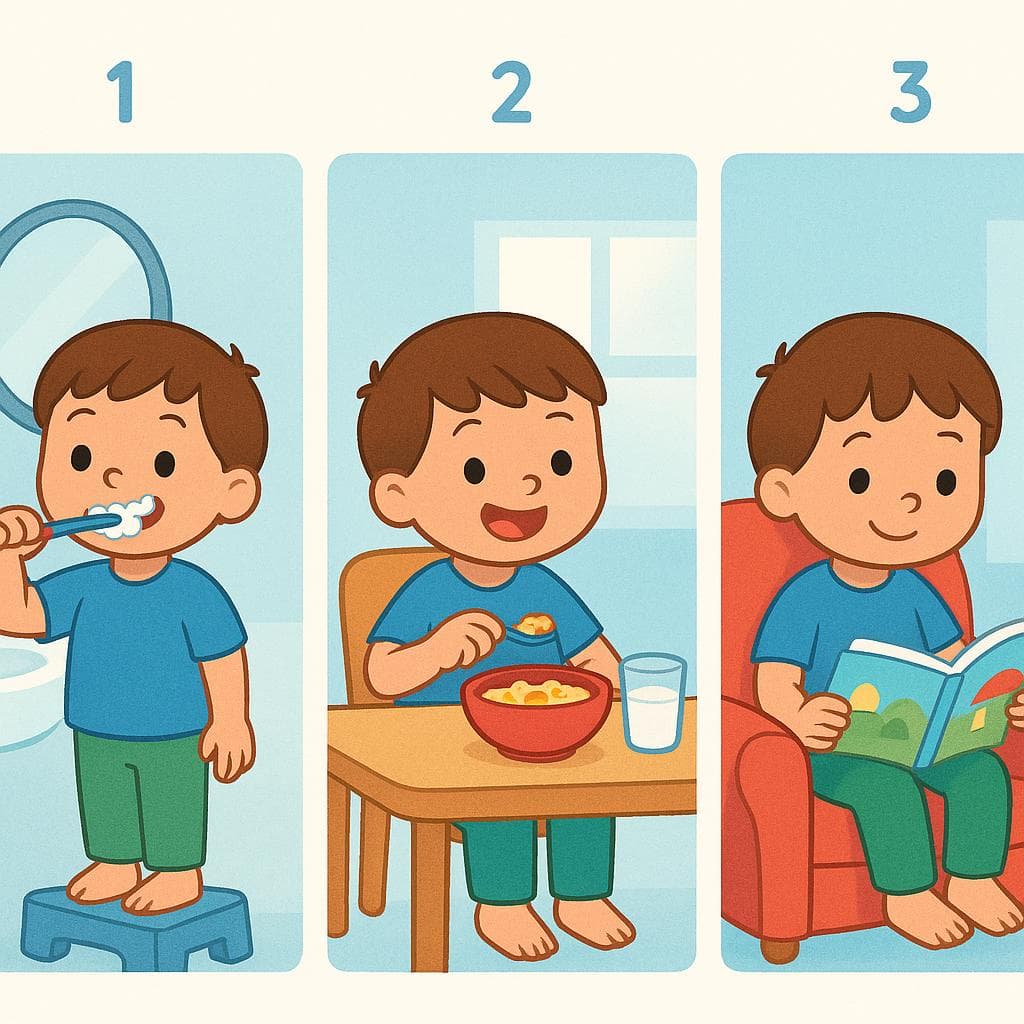
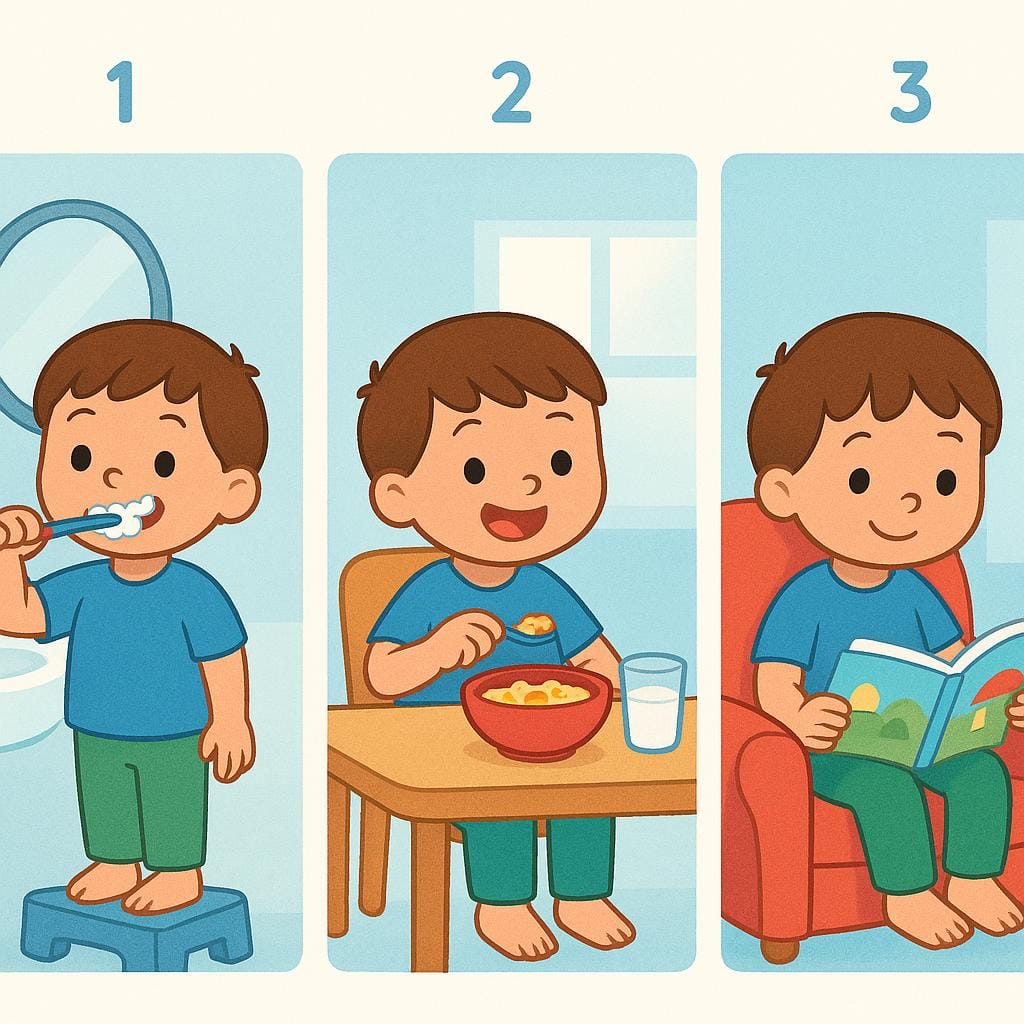
The most common Spanish word for “routine” is “rutina” — use 'rutina' for a general daily schedule or a set of habitual actions.








rutina
roo-TEE-nahruˈtina
Examples
Mi rutina de la mañana empieza a las 7:00 am.
My morning routine starts at 7:00 am.
El doctor me recomendó una rutina de ejercicios ligera.
The doctor recommended a light exercise routine for me.
Es importante establecer una rutina de estudio para el examen.
It is important to establish a study schedule for the exam.
Gender Rule
Even though 'rutina' ends in -a, remember it is a feminine noun and must always be used with feminine articles and adjectives (la rutina, una rutina diaria).
Using the wrong verb
Mistake: “Hacer mi rutina (To do my routine)”
Correction: Seguir mi rutina (To follow/keep my routine) or Tener una rutina (To have a routine). While 'hacer' is sometimes used, 'seguir' or 'tener' sound more natural for describing your daily schedule.
costumbre
cohs-TOOM-brehkosˈtum.bɾe

Examples
Tengo la costumbre de leer antes de dormir.
I have the habit of reading before sleeping.
Es mi costumbre tomar un vaso de agua al levantarme.
It is my custom to drink a glass of water when I wake up.
Always Feminine
Remember that 'costumbre' is always feminine, even though it ends in '-e.' You must use 'la' or 'una' with it (e.g., 'la costumbre').
Incorrect Gender
Mistake: “El costumbre de mi abuela...”
Correction: La costumbre de mi abuela... (Always use the feminine article 'la').
regular
rreh-goo-LAHRreɣuˈlaɾ

Examples
Mi horario de trabajo es regular, de 9 a 5.
My work schedule is regular, from 9 to 5.
Ella toma el autobús regular todos los días.
She takes the regular bus every day.
Las clases tienen una duración regular de 50 minutos.
The classes have a standard duration of 50 minutes.
Adjective Form
Unlike many Spanish adjectives, 'regular' stays the same whether the noun is masculine (el horario regular) or feminine (la clase regular).
Confusing 'Regular' with 'Good'
Mistake: “¿Cómo estás? Estoy regular.”
Correction: This is technically correct but usually means 'so-so' (see next definition). For 'I'm fine/good,' use 'bien' or 'estoy normal.'
ritual
rree-TOO-ahlriˈtwal

Examples
El té de la tarde es un ritual que sigo todos los días.
Afternoon tea is a ritual that I follow every day.
El sacerdote ofició el antiguo ritual de la cosecha.
The priest conducted the ancient harvest ritual.
Los rituales funerarios varían mucho entre culturas.
Funeral rituals vary greatly among cultures.
Always Masculine
Even though it ends in '-al,' 'ritual' is always a masculine noun. Make sure to use 'el ritual' or 'un ritual'.
Gender Error
Mistake: “La ritual”
Correction: El ritual. Remember that many words ending in '-al' are masculine in Spanish.
rutinario
roo-tee-NAH-ryohrutiˈnaɾjo

Examples
Hago el mismo trabajo rutinario todos los días.
I do the same routine work every day.
Fue solo un examen médico rutinario.
It was just a routine medical checkup.
La vida en el campo puede ser muy rutinaria.
Life in the countryside can be very routine.
Matching the word it describes
This word changes its ending depending on the gender of the thing you are describing. Use 'rutinario' for masculine words (like 'un trabajo') and 'rutinaria' for feminine words (like 'una tarea').
Placement after the object
In Spanish, you usually place this word after the thing it describes. For example, say 'control rutinario' rather than 'rutinario control'.
Using 'rutinario' instead of 'rutina'
Mistake: “Hago mi rutinario cada mañana.”
Correction: Hago mi rutina cada mañana. (Use 'rutina' for the noun 'routine' itself, and 'rutinario' only to describe another word.)
pasos
PAH-sohsˈpasos

Examples
La salsa tiene pasos muy rápidos y complejos.
Salsa has very fast and complex steps/moves.
Ella enseña los pasos básicos del tango.
She teaches the basic steps of the tango.
Examples
El número de los trapecistas fue el más emocionante de la noche.
The trapeze artists' act was the most exciting of the night.
rito
REE-tohˈrito

Examples
Tomar un café en silencio es mi rito matutino.
Drinking a coffee in silence is my morning ritual.
Para él, lavar su coche los domingos es un rito sagrado.
For him, washing his car on Sundays is a sacred ritual.
Seguían el rito de verse todos los viernes.
They followed the ritual of meeting every Friday.
Describing Habits
When using 'rito' for habits, we often add an adjective like 'diario' (daily) to show how often it happens.
Using 'Rito' as an Action
Mistake: “Yo rito cada mañana.”
Correction: Yo cumplo con mi rito cada mañana. 'Rito' is the name of the habit, not the action itself.
cotidiano
ko-tee-dee-ah-nokotiˈðjano

Examples
Me gusta mi rutina cotidiana.
I like my daily routine.
La vida cotidiana en esta ciudad es muy tranquila.
Everyday life in this city is very quiet.
Debemos resolver los problemas cotidianos con paciencia.
We must solve everyday problems with patience.
Matching the Gender
This word must match the noun it describes. Use 'cotidiano' for masculine words (el ritmo cotidiano) and 'cotidiana' for feminine words (la vida cotidiana).
Word Order
In Spanish, this word almost always comes after the thing you are describing. Say 'problemas cotidianos' rather than 'cotidiano problemas'.
Confusing 'diario' and 'cotidiano'
Mistake: “El periódico cotidiano.”
Correction: El periódico diario.
faena
fah-EH-nahfaˈena

Examples
El matador realizó una faena brillante en la plaza.
The bullfighter carried out a brilliant performance in the ring.
Rutina vs. Costumbre vs. Ritual
Learn Spanish with Inklingo
Interactive stories, personalized learning, and more.