How to Say "ritual" in Spanish
The most common Spanish word for “ritual” is “rito” — use 'rito' for a traditional, often religious, procedure or ceremony, especially one that is well-established and recognized within a community or religion.
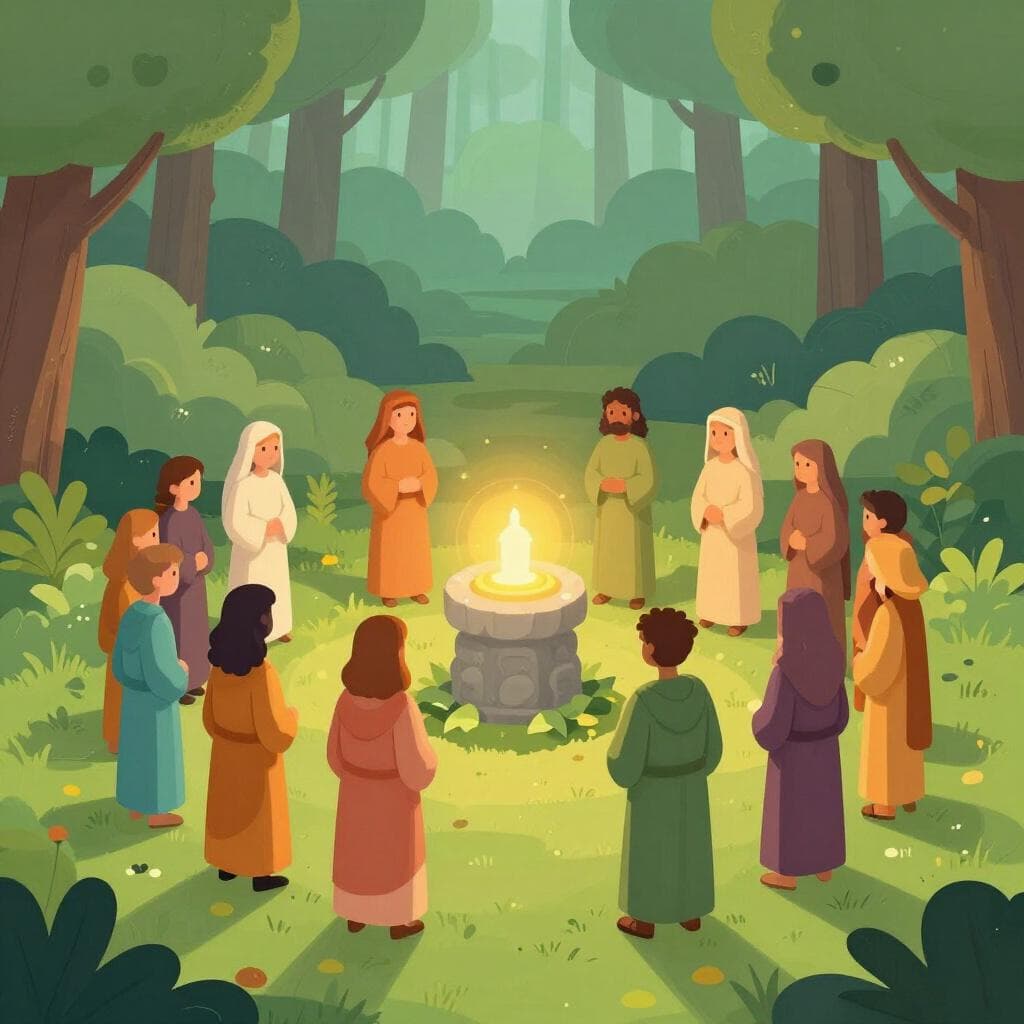

rito
REE-tohˈrito

Examples
El bautismo es un rito importante en muchas religiones.
Baptism is an important rite in many religions.
Cada cultura tiene sus propios ritos funerarios.
Every culture has its own funeral rites.
Los ritos de pasaje marcan el crecimiento de una persona.
Rites of passage mark a person's growth.
Tomar un café en silencio es mi rito matutino.
Drinking a coffee in silence is my morning ritual.
A Word for 'Things'
This is a noun (a thing), so it never changes its ending to match a person. Whether a man or a woman performs it, it is always 'el rito'.
Using 'El' and 'Un'
Since this word is masculine, always pair it with masculine helpers like 'el' (the) or 'un' (a).
Describing Habits
When using 'rito' for habits, we often add an adjective like 'diario' (daily) to show how often it happens.
Rito vs. Recto
Mistake: “El camino es rito.”
Correction: El camino es recto. 'Rito' is a ceremony; 'recto' means straight. They sound similar but are very different!
Using 'Rito' as an Action
Mistake: “Yo rito cada mañana.”
Correction: Yo cumplo con mi rito cada mañana. 'Rito' is the name of the habit, not the action itself.
ritual
rree-TOO-ahlriˈtwal

Examples
El té de la tarde es un ritual que sigo todos los días.
Afternoon tea is a ritual that I follow every day.
El sacerdote ofició el antiguo ritual de la cosecha.
The priest conducted the ancient harvest ritual.
Los rituales funerarios varían mucho entre culturas.
Funeral rituals vary greatly among cultures.
Llevaban vestimentas rituales para la celebración.
They wore ritual garments for the celebration.
Always Masculine
Even though it ends in '-al,' 'ritual' is always a masculine noun. Make sure to use 'el ritual' or 'un ritual'.
Adjective Agreement
As an adjective, 'ritual' needs to match the noun it describes. For plural nouns, it becomes 'rituales' (e.g., 'danzas rituales').
Gender Error
Mistake: “La ritual”
Correction: El ritual. Remember that many words ending in '-al' are masculine in Spanish.
rito
REE-tohˈrito
Examples
Tomar un café en silencio es mi rito matutino.
Drinking a coffee in silence is my morning ritual.
El bautismo es un rito importante en muchas religiones.
Baptism is an important rite in many religions.
Cada cultura tiene sus propios ritos funerarios.
Every culture has its own funeral rites.
Los ritos de pasaje marcan el crecimiento de una persona.
Rites of passage mark a person's growth.
A Word for 'Things'
This is a noun (a thing), so it never changes its ending to match a person. Whether a man or a woman performs it, it is always 'el rito'.
Using 'El' and 'Un'
Since this word is masculine, always pair it with masculine helpers like 'el' (the) or 'un' (a).
Describing Habits
When using 'rito' for habits, we often add an adjective like 'diario' (daily) to show how often it happens.
Rito vs. Recto
Mistake: “El camino es rito.”
Correction: El camino es recto. 'Rito' is a ceremony; 'recto' means straight. They sound similar but are very different!
Using 'Rito' as an Action
Mistake: “Yo rito cada mañana.”
Correction: Yo cumplo con mi rito cada mañana. 'Rito' is the name of the habit, not the action itself.
ritual
rree-TOO-ahlriˈtwal
Examples
Llevaban vestimentas rituales para la celebración.
They wore ritual garments for the celebration.
El té de la tarde es un ritual que sigo todos los días.
Afternoon tea is a ritual that I follow every day.
El sacerdote ofició el antiguo ritual de la cosecha.
The priest conducted the ancient harvest ritual.
Los rituales funerarios varían mucho entre culturas.
Funeral rituals vary greatly among cultures.
Always Masculine
Even though it ends in '-al,' 'ritual' is always a masculine noun. Make sure to use 'el ritual' or 'un ritual'.
Adjective Agreement
As an adjective, 'ritual' needs to match the noun it describes. For plural nouns, it becomes 'rituales' (e.g., 'danzas rituales').
Gender Error
Mistake: “La ritual”
Correction: El ritual. Remember that many words ending in '-al' are masculine in Spanish.
Rito vs. Ritual: Ceremony vs. Habit
Related Translations
Learn Spanish with Inklingo
Interactive stories, personalized learning, and more.