ritual
“ritual” means “ritual” in Spanish. It has 2 different meanings depending on context:
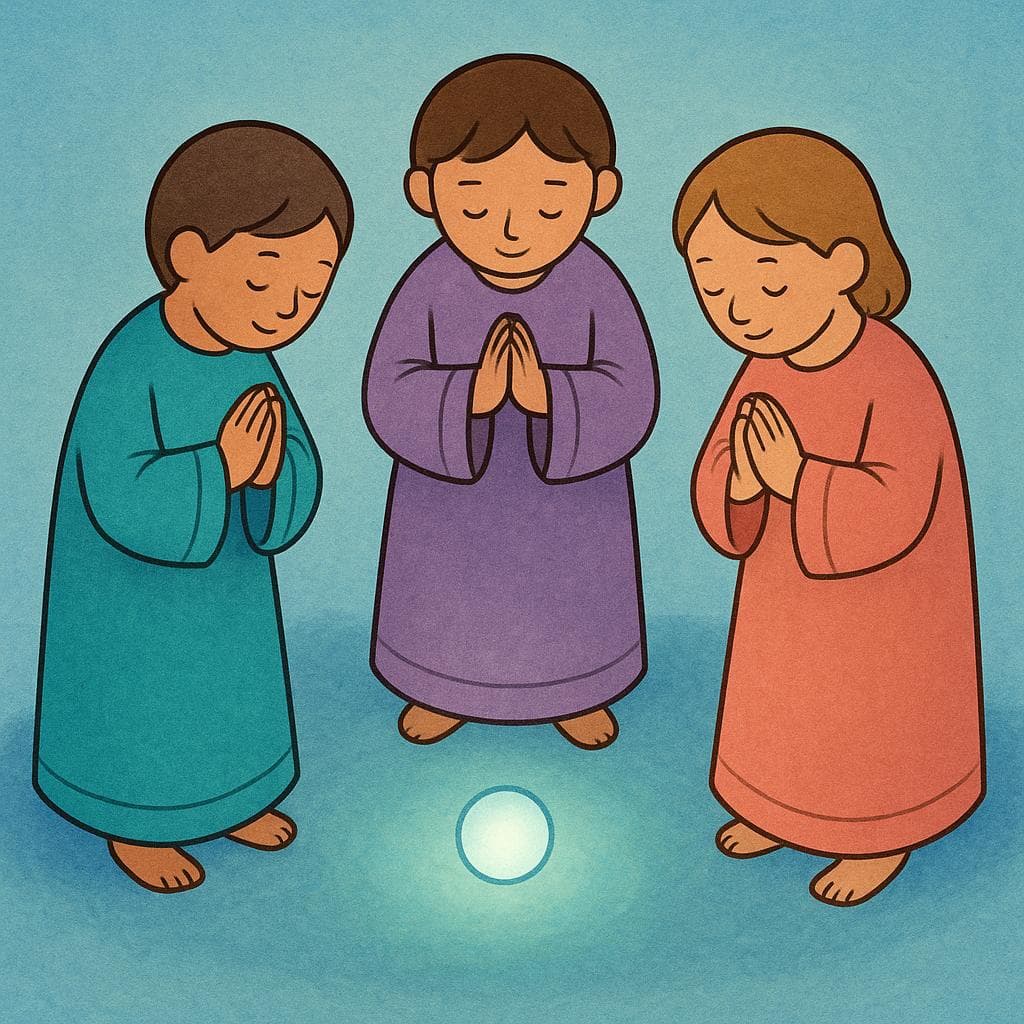
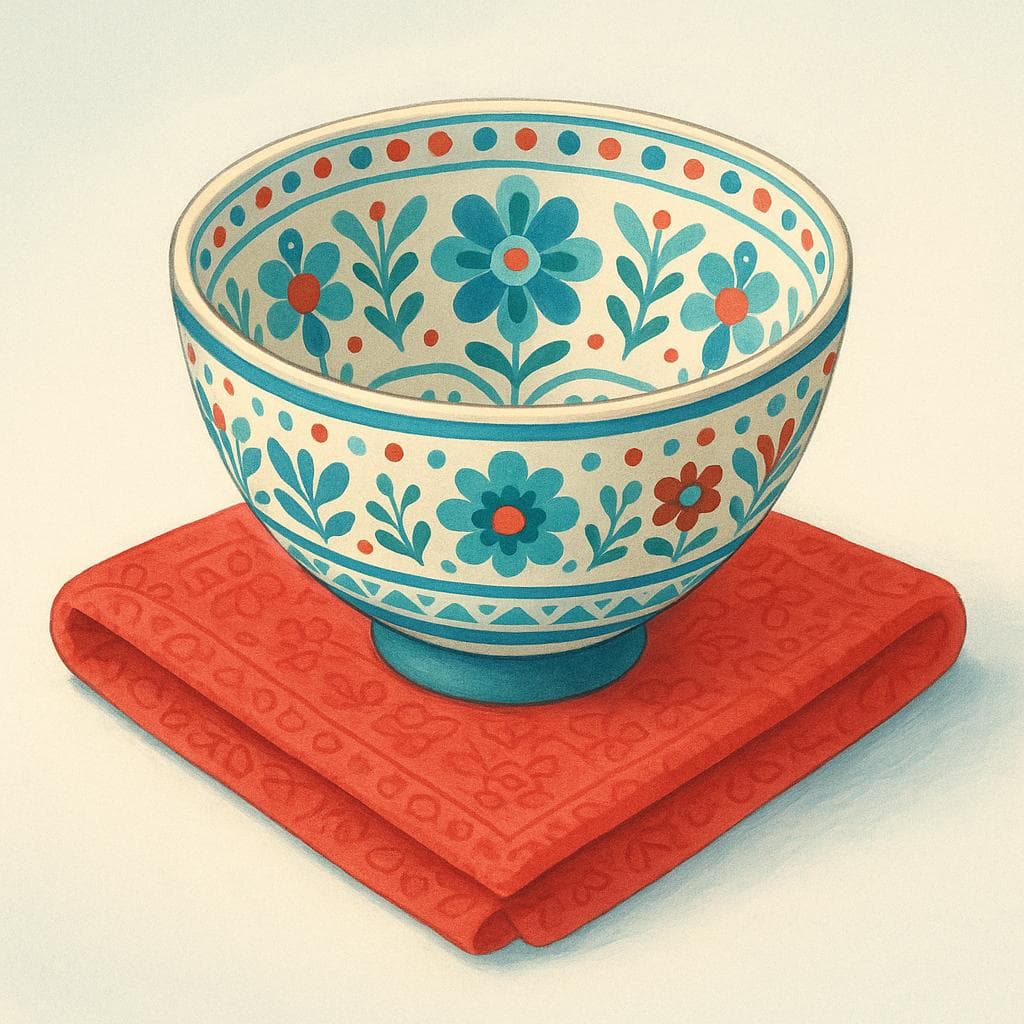
ritual, routine
Also: rite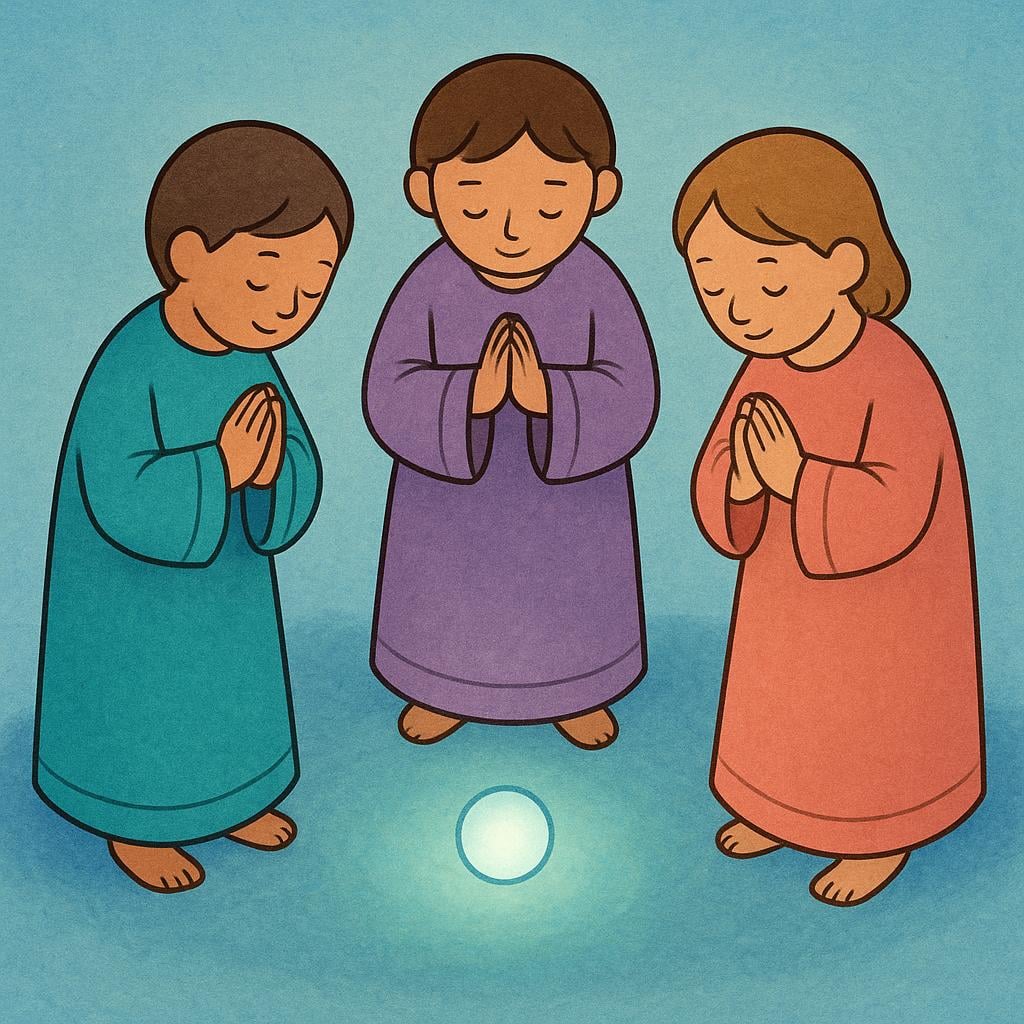
📝 In Action
El té de la tarde es un ritual que sigo todos los días.
A2Afternoon tea is a ritual that I follow every day.
El sacerdote ofició el antiguo ritual de la cosecha.
B1The priest conducted the ancient harvest ritual.
Los rituales funerarios varían mucho entre culturas.
B2Funeral rituals vary greatly among cultures.
ritual, ceremonial
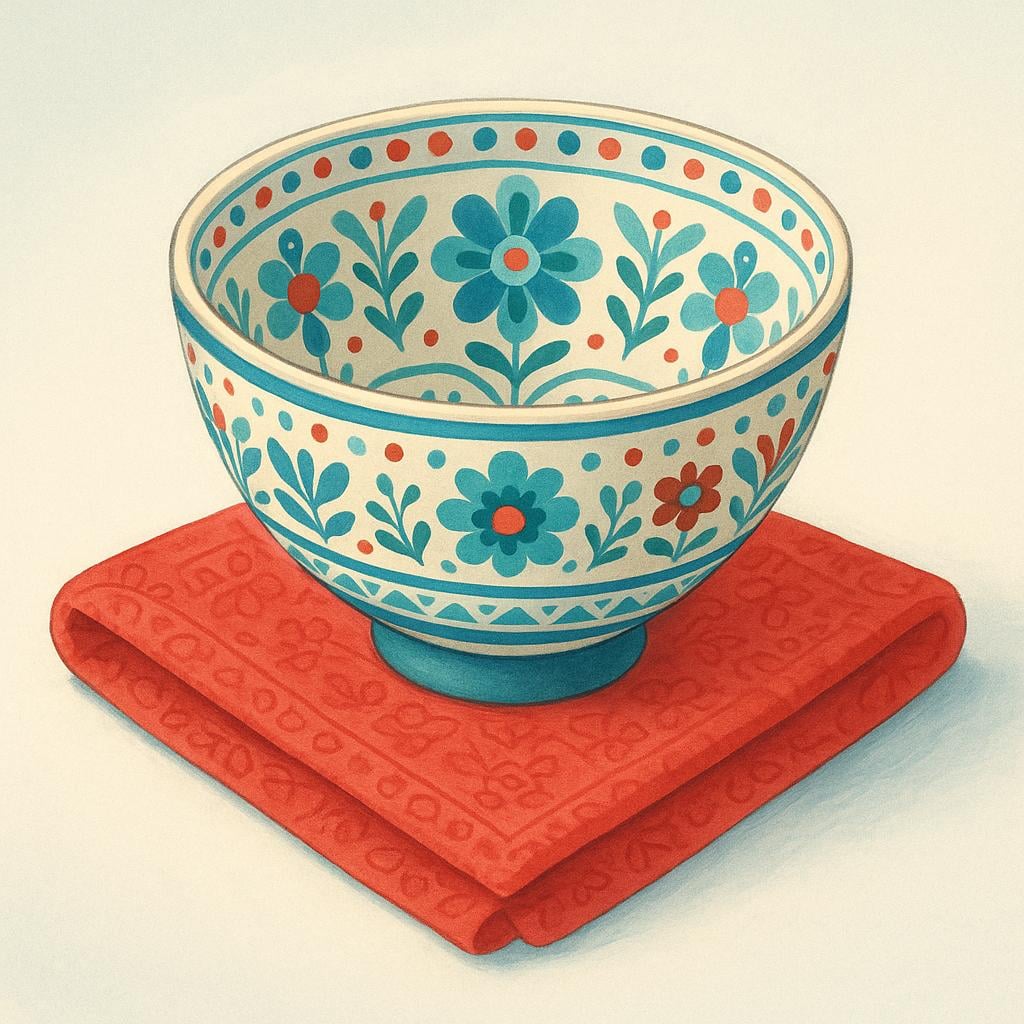
📝 In Action
Llevaban vestimentas rituales para la celebración.
B2They wore ritual garments for the celebration.
El sacrificio ritual era una parte clave de su cultura.
C1The ritual sacrifice was a key part of their culture.
Translate to Spanish
✏️ Quick Practice
Quick Quiz: ritual
Question 1 of 2
Which sentence correctly uses 'ritual' as an adjective?
📚 More Resources
👥 Word Family▼
📚 Etymology▼
Comes directly from the Latin word *ritualis*, which itself derived from *ritus*, meaning 'rite' or 'custom.' It entered Spanish to describe a prescribed, fixed series of actions.
First recorded: 15th century
Cognates (Related words)
💡 Master Spanish
Take your Spanish to the next level. Read 200+ illustrated and narrated Spanish stories tailored to your level with the Inklingo app!
Frequently Asked Questions
Is 'ritual' a common word in daily Spanish?
Yes, absolutely! While it can describe ancient ceremonies, it is also frequently used in everyday conversation to talk about personal routines, like 'mi ritual de café' (my coffee routine).
Does 'ritual' change its form?
As a noun, it only changes to plural: 'rituales.' When it acts as an adjective (describing another noun), it also changes to plural to match: 'danzas rituales.'