costumbre
“costumbre” means “habit” in Spanish. It has 2 different meanings depending on context:

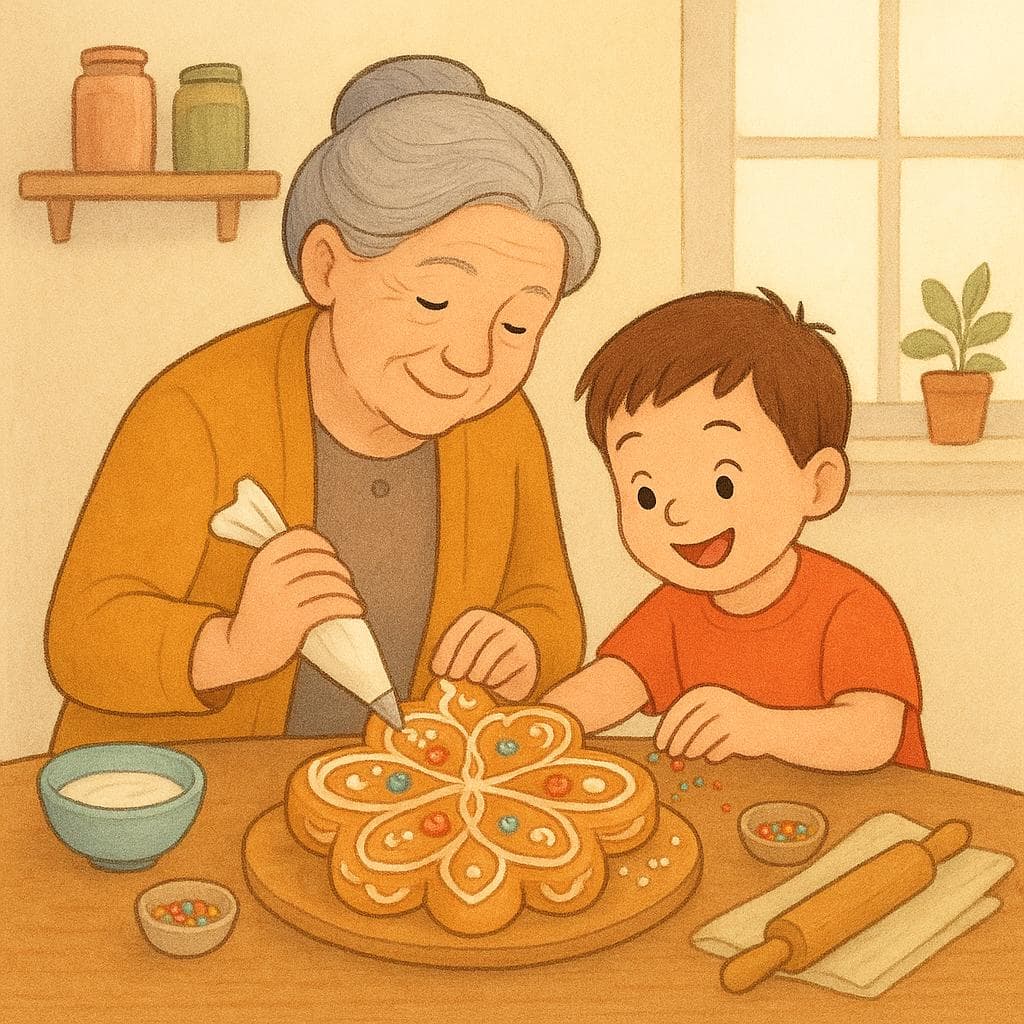
habit, customAlso: routine

📝 In Action
Tengo la costumbre de leer antes de dormir.
A1I have the habit of reading before sleeping.
Es mi costumbre tomar un vaso de agua al levantarme.
A2It is my custom to drink a glass of water when I wake up.
Word Connections
tradition, conventionAlso: practice

📝 In Action
Es una costumbre muy antigua en este pueblo.
B1It is a very old tradition in this town.
Las costumbres sociales varían mucho entre países.
B2Social conventions vary greatly between countries.
Como de costumbre, la oficina estaba cerrada a esa hora.
B1As usual, the office was closed at that time.
Word Connections
🔀 Commonly Confused With
Translate to Spanish
✏️ Quick Practice
Quick Quiz: costumbre
Question 1 of 1
Which sentence uses 'costumbre' to describe a *social tradition* rather than a *personal routine*?
📚 More Resources
👥 Word Family
🎵 Rhymes
📚 Etymology
Comes from the Old Spanish word *costumne*, which itself derived from the Latin word *consuetudo*, meaning 'habit, usage, or custom.' The word has been used in Spanish since the Middle Ages.
First recorded: 13th century
Cognates (Related words)
💡 Master Spanish
Take your Spanish to the next level. Read 200+ illustrated and narrated Spanish stories tailored to your level with the Inklingo app!
Frequently Asked Questions
Why is 'costumbre' feminine, even though it ends in -e?
'Costumbre' is one of those Spanish words that simply took on the feminine gender from its Latin root (*consuetudo*, which was feminine), even though many words ending in '-e' are masculine. You must always use 'la' or 'una' with it.
How is 'costumbre' different from the verb 'acostumbrar'?
'Costumbre' is the noun (the habit itself). 'Acostumbrar' is the verb, meaning 'to get used to' or 'to accustom someone else.' They are part of the same word family!