rutina
“rutina” means “routine” in Spanish. It has 2 different meanings depending on context:
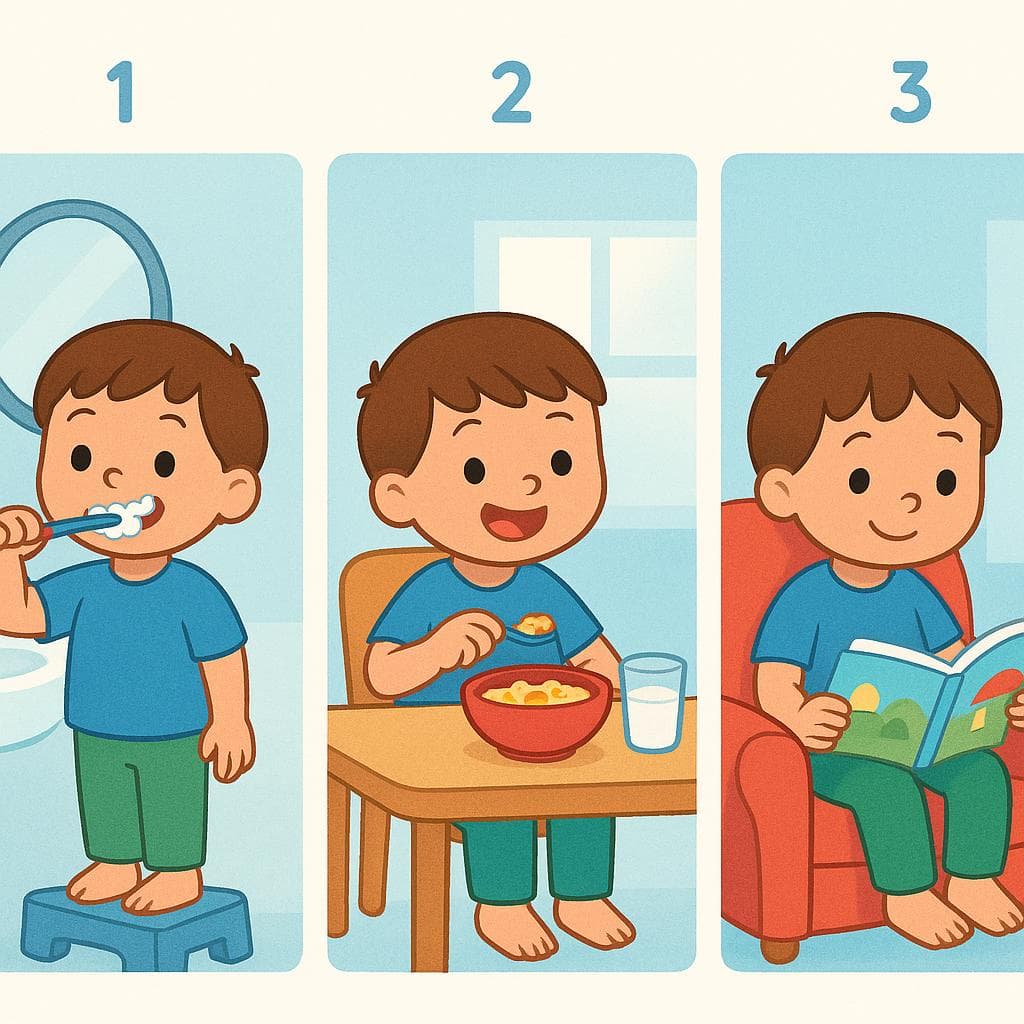

routine, scheduleAlso: practice

📝 In Action
Mi rutina de la mañana empieza a las 7:00 am.
A1My morning routine starts at 7:00 am.
El doctor me recomendó una rutina de ejercicios ligera.
A2The doctor recommended a light exercise routine for me.
Es importante establecer una rutina de estudio para el examen.
B1It is important to establish a study schedule for the exam.
Word Connections
rut, grindAlso: monotony

📝 In Action
Estoy cansado de la rutina de la oficina; necesito un cambio.
B1I'm tired of the office grind; I need a change.
Su vida se ha convertido en una rutina sin sorpresas.
B2His life has turned into a rut without surprises.
Word Connections
Translate to Spanish
✏️ Quick Practice
Quick Quiz: rutina
Question 1 of 1
Which sentence uses 'rutina' to express a negative feeling, like boredom?
📚 More Resources
👥 Word Family
📚 Etymology
Borrowed directly from the French word 'routine', which itself comes from 'route' (meaning path or way). It entered Spanish usage to describe a fixed path or sequence of actions.
First recorded: 18th century
Cognates (Related words)
💡 Master Spanish
Take your Spanish to the next level. Read 200+ illustrated and narrated Spanish stories tailored to your level with the Inklingo app!
Frequently Asked Questions
What is the difference between 'rutina' and 'hábito'?
'Rutina' refers to a fixed, scheduled sequence of actions, often over a specific period (like a morning routine). 'Hábito' refers to a single, repeated behavior or custom that you do regularly, often without thinking (like biting your nails or drinking water).
How do I say 'daily routine' in Spanish?
You would say 'la rutina diaria'. Remember that 'rutina' is feminine, so the adjective 'diario' must change to 'diaria'.