rito
“rito” means “rite” in Spanish. It has 2 different meanings depending on context:
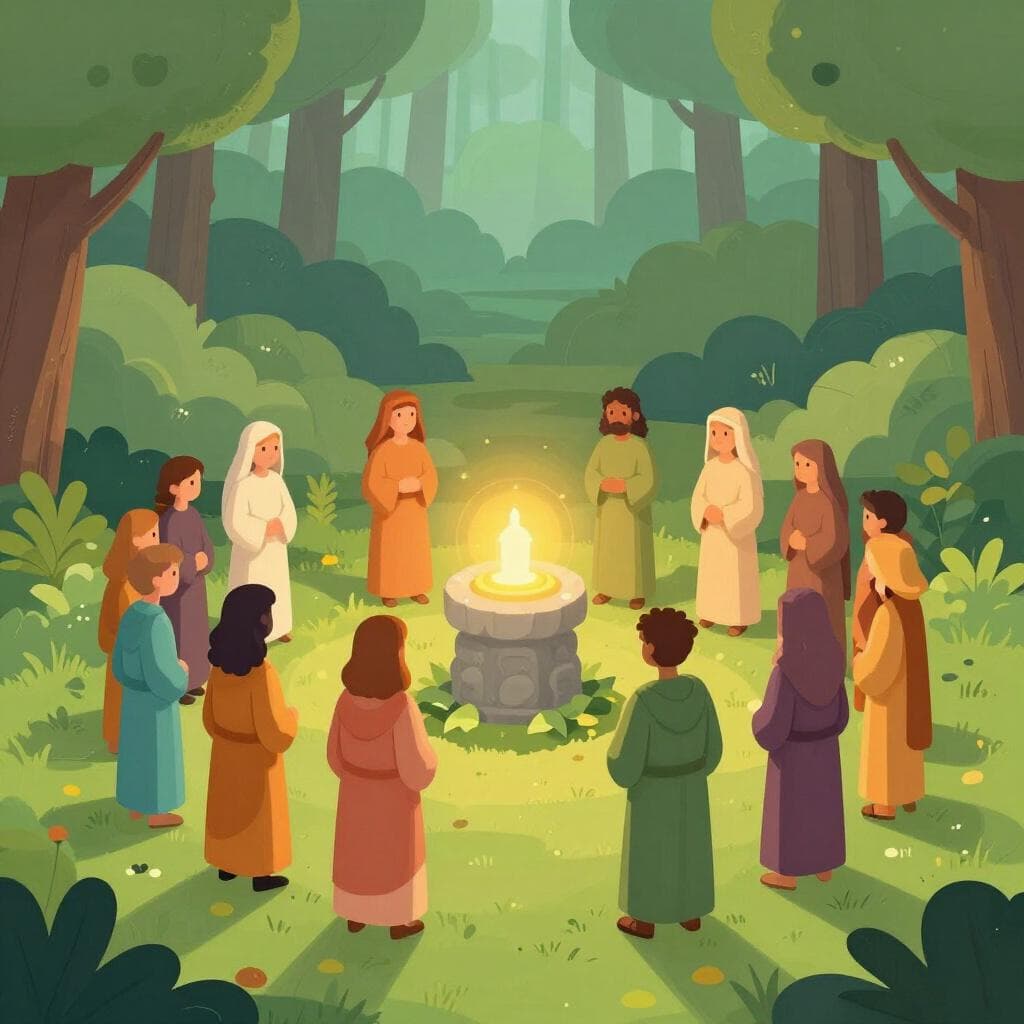

rite, ritual
Also: ceremony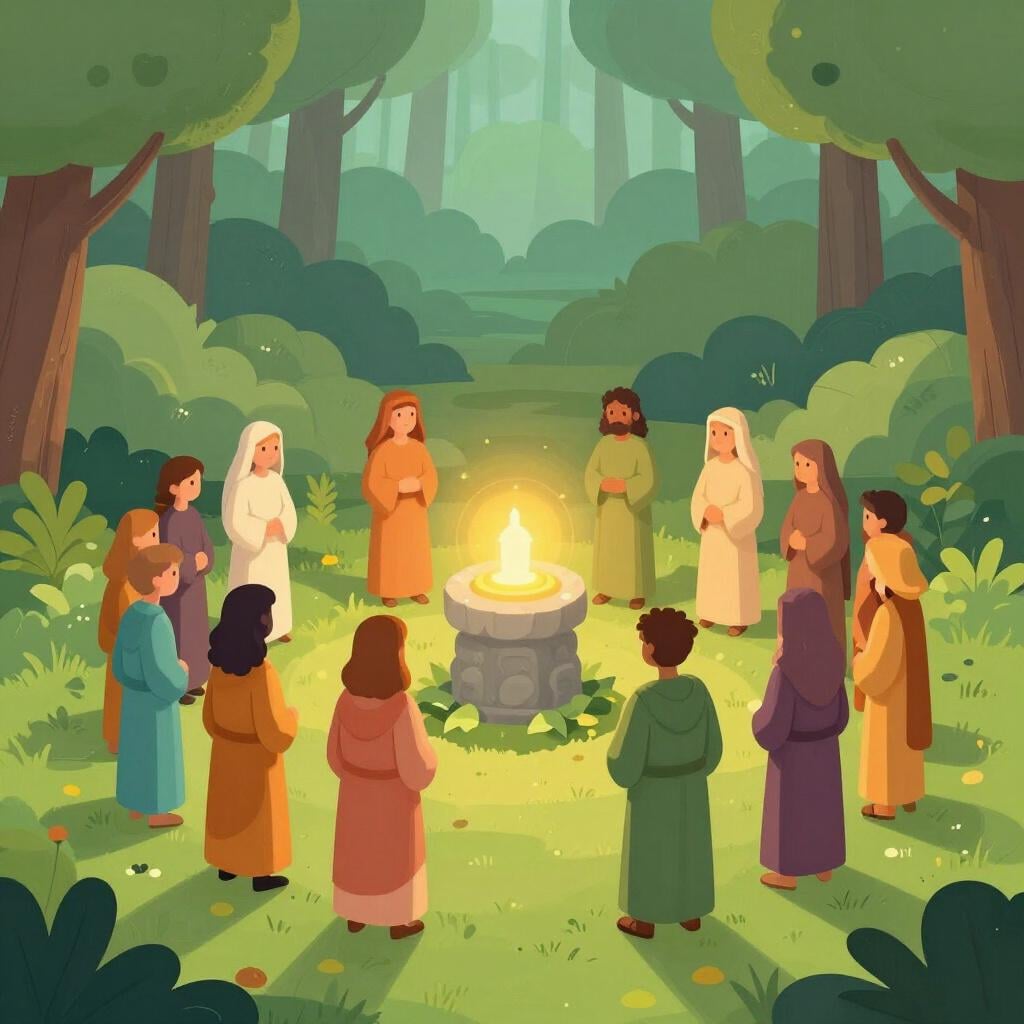
📝 In Action
El bautismo es un rito importante en muchas religiones.
A2Baptism is an important rite in many religions.
Cada cultura tiene sus propios ritos funerarios.
B1Every culture has its own funeral rites.
Los ritos de pasaje marcan el crecimiento de una persona.
B2Rites of passage mark a person's growth.
ritual, routine

📝 In Action
Tomar un café en silencio es mi rito matutino.
B1Drinking a coffee in silence is my morning ritual.
Para él, lavar su coche los domingos es un rito sagrado.
B2For him, washing his car on Sundays is a sacred ritual.
Seguían el rito de verse todos los viernes.
C1They followed the ritual of meeting every Friday.
✏️ Quick Practice
Quick Quiz: rito
Question 1 of 3
Which of these is the most common meaning of 'rito'?
📚 More Resources
👥 Word Family▼
📚 Etymology▼
From the Latin word 'ritus,' which referred to a religious custom or a prescribed way of performing a ceremony.
First recorded: 13th century
Cognates (Related words)
💡 Master Spanish
Take your Spanish to the next level. Read 200+ illustrated and narrated Spanish stories tailored to your level with the Inklingo app!
Frequently Asked Questions
What is the difference between 'rito' and 'ritual'?
They are very similar! 'Rito' usually refers to the ceremony itself as a whole, while 'ritual' can be the specific steps taken or an adjective describing those steps. In most casual conversations, they can be used interchangeably.
Can 'rito' be used for sports?
Yes! Fans often talk about 'ritos' or 'rituales' they perform before a game for good luck, like wearing a specific jersey.
Is 'rito' only for religious things?
Not at all. While it started with religion, today it is used for any traditional ceremony (like a graduation) or even just personal morning routines.