How to Say "practice" in Spanish
The most common Spanish word for “practice” is “práctica” — use this word when referring to the act of doing something repeatedly to improve your skill or ability, like practicing a musical instrument or a language.

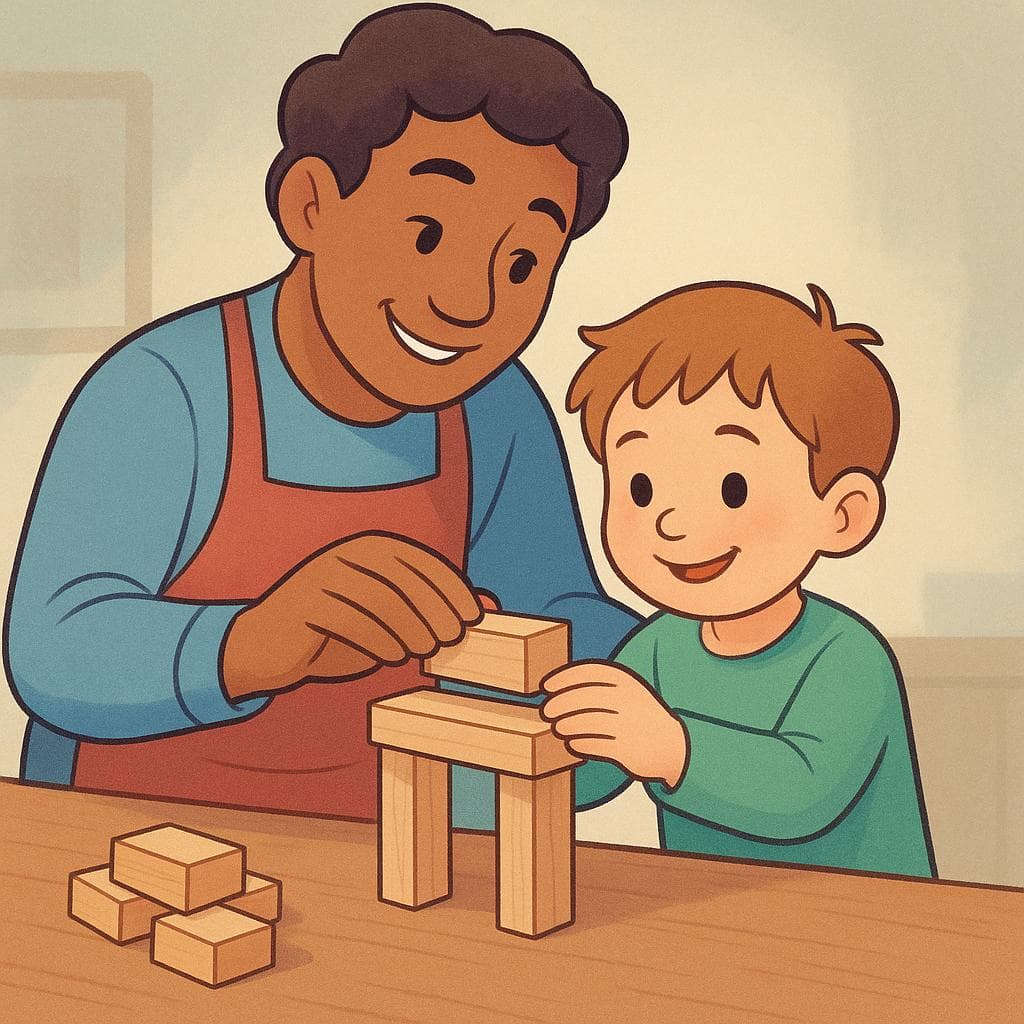
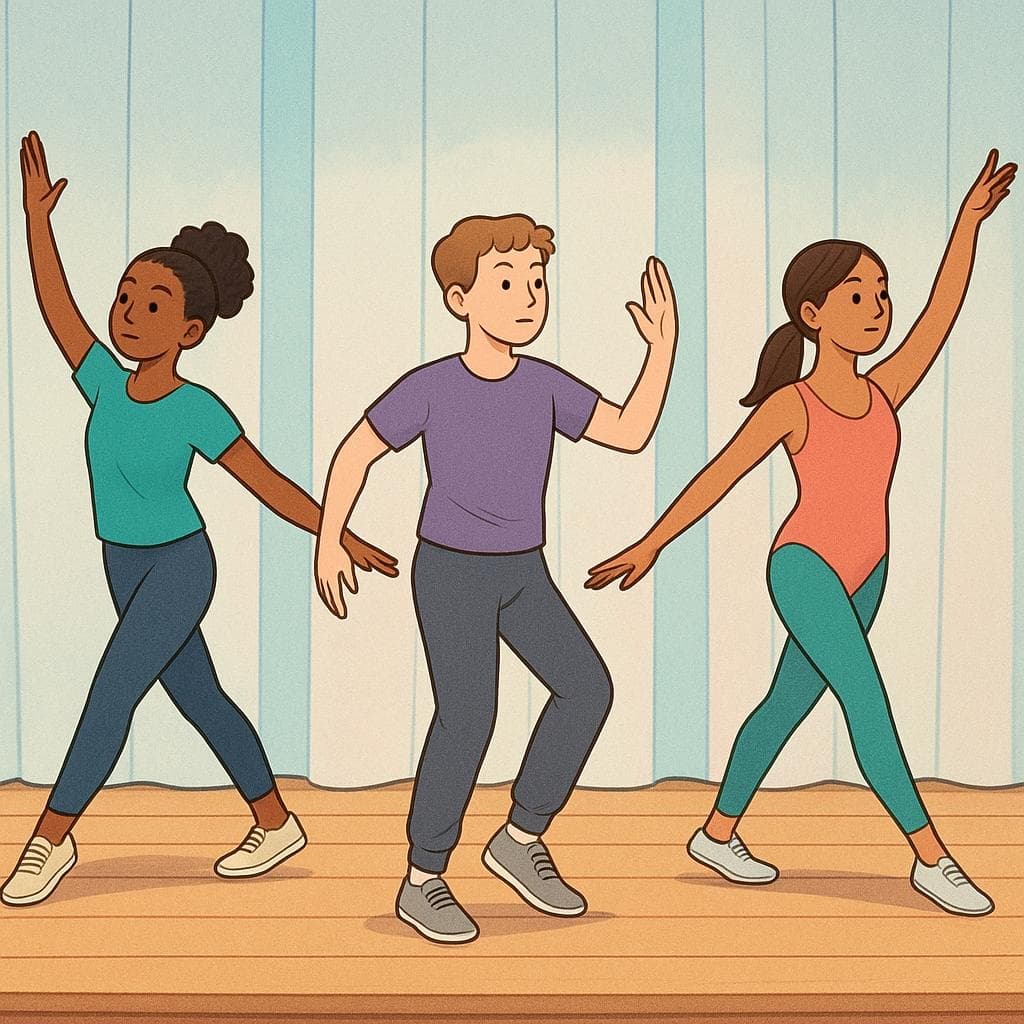
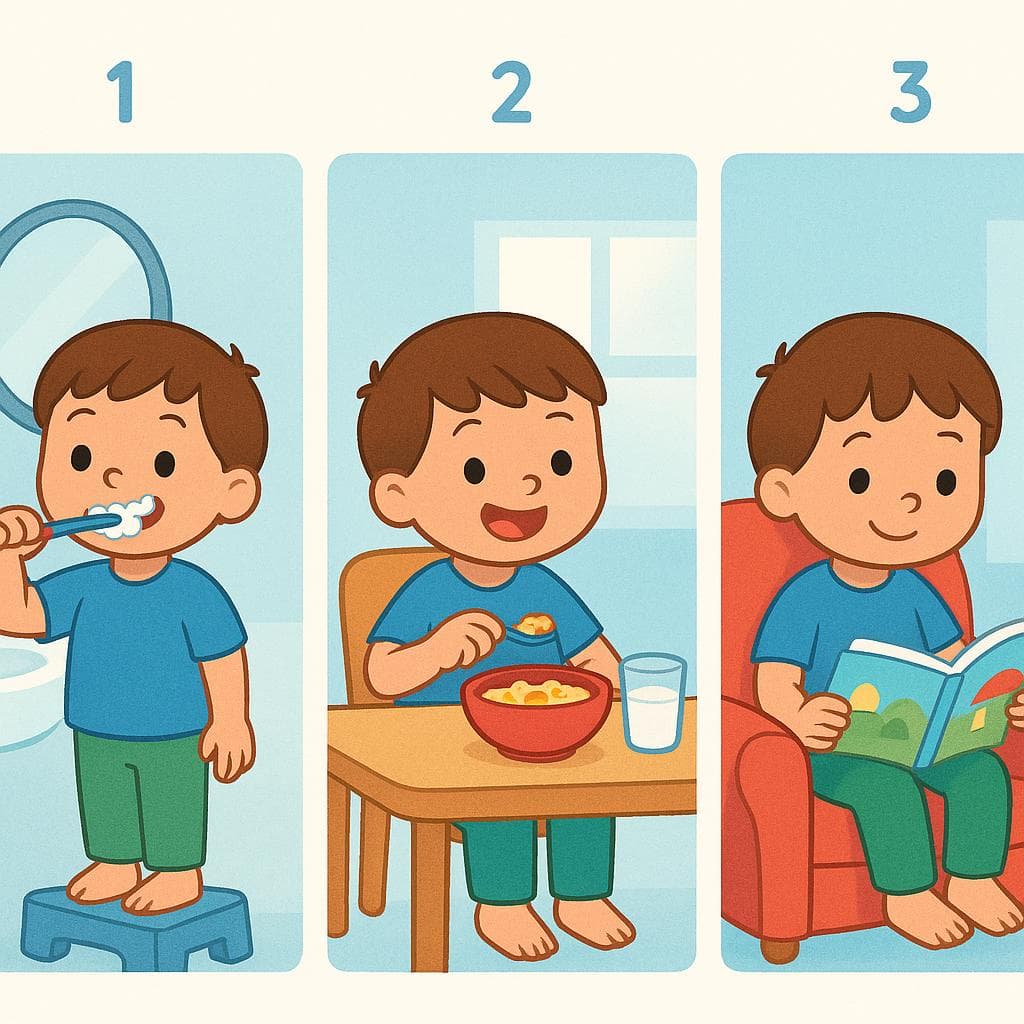
práctica
Examples
Necesitas mucha práctica para hablar fluidamente.
You need a lot of practice to speak fluently.
costumbre
cohs-TOOM-brehkosˈtum.bɾe

Examples
Es una costumbre muy antigua en este pueblo.
It is a very old tradition in this town.
Las costumbres sociales varían mucho entre países.
Social conventions vary greatly between countries.
Como de costumbre, la oficina estaba cerrada a esa hora.
As usual, the office was closed at that time.
Plural Usage
When talking about general societal rules or manners, you often use the plural: 'las costumbres' (the customs/manners).
entrenamiento
en-treh-nah-mee-en-tohentrenaˈmjento
Examples
El equipo tiene un entrenamiento muy duro todos los lunes.
The team has a very hard workout every Monday.
Necesitas tres meses de entrenamiento intensivo antes de correr el maratón.
You need three months of intensive training before running the marathon.
El nuevo empleado completó su entrenamiento de seguridad la semana pasada.
The new employee completed his safety training last week.
Masculine Noun Rule
Since this word ends in '-miento', it is always a masculine noun, so you must use 'el' or 'un' before it: 'el entrenamiento'.
Confusing 'entrenamiento' and 'práctica'
Mistake: “Using 'práctica' when referring specifically to a scheduled gym session.”
Correction: Use 'entrenamiento' for structured physical or professional preparation. 'Práctica' is often more general skill rehearsal or routine.
ensayo
en-SIGH-yoenˈsaʝo
Examples
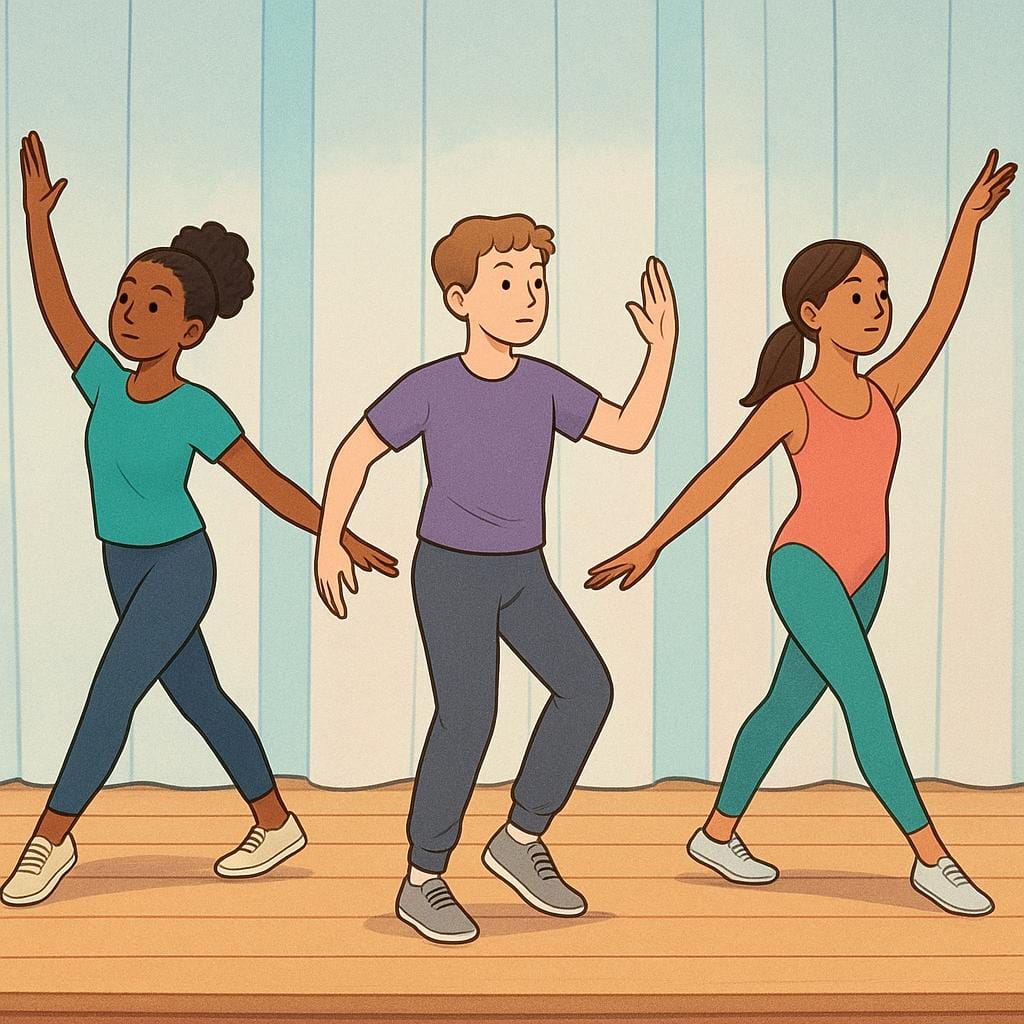
Tuvimos el último ensayo de la obra anoche.
We had the final rehearsal for the play last night.
Los científicos están haciendo un ensayo clínico con el nuevo medicamento.
The scientists are running a clinical trial with the new medication.
El equipo de fútbol tiene un ensayo a las cinco para practicar los penaltis.
The soccer team has a practice at five to practice the penalties.
Common Verb Partner
You will most often see 'ensayo' used with the verb 'hacer' (to do/make) when referring to a practice run: 'hacer un ensayo' means 'to run a trial' or 'to hold a rehearsal'.
rutina
roo-TEE-nahruˈtina
Examples
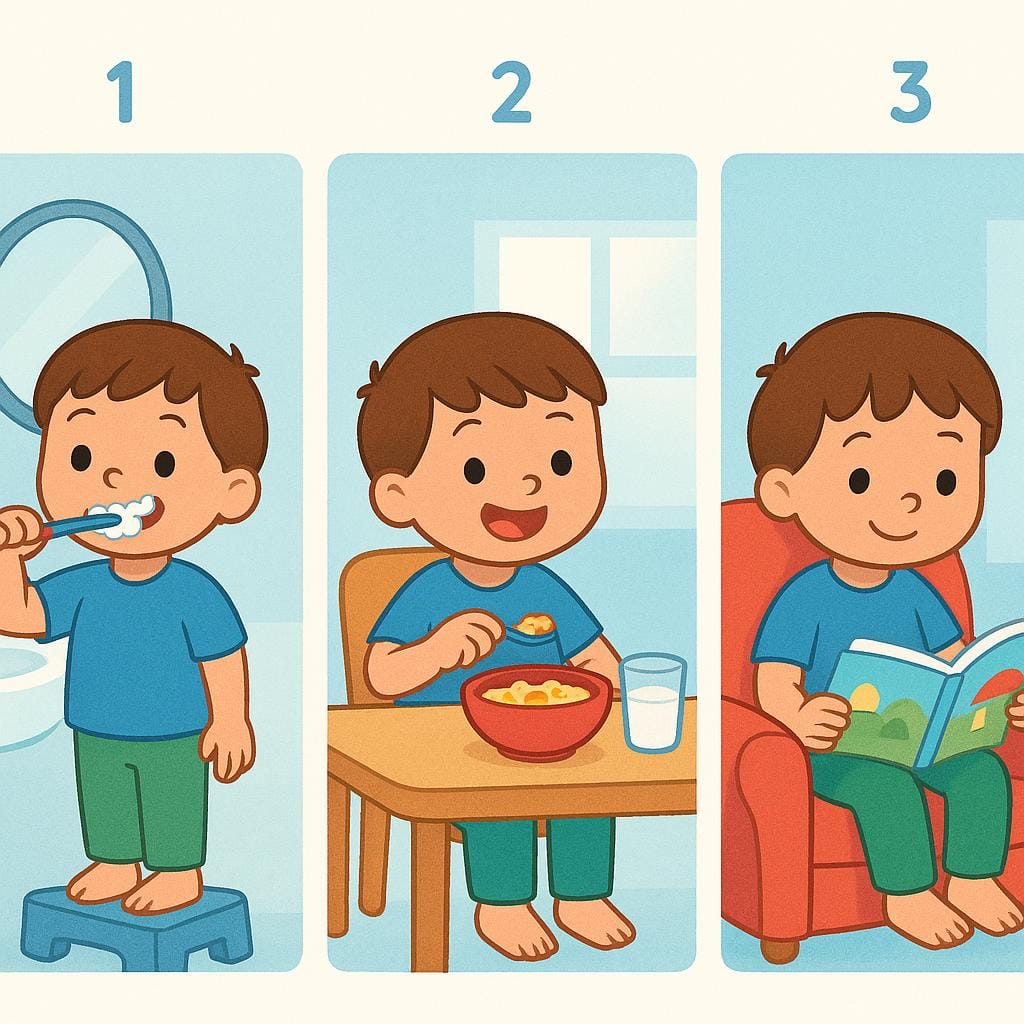
Mi rutina de la mañana empieza a las 7:00 am.
My morning routine starts at 7:00 am.
El doctor me recomendó una rutina de ejercicios ligera.
The doctor recommended a light exercise routine for me.
Es importante establecer una rutina de estudio para el examen.
It is important to establish a study schedule for the exam.
Gender Rule
Even though 'rutina' ends in -a, remember it is a feminine noun and must always be used with feminine articles and adjectives (la rutina, una rutina diaria).
Using the wrong verb
Mistake: “Hacer mi rutina (To do my routine)”
Correction: Seguir mi rutina (To follow/keep my routine) or Tener una rutina (To have a routine). While 'hacer' is sometimes used, 'seguir' or 'tener' sound more natural for describing your daily schedule.
Práctica vs. Costumbre
Related Translations
Learn Spanish with Inklingo
Interactive stories, personalized learning, and more.