How to Say "training" in Spanish
The most common Spanish word for “training” is “entrenamiento” — use this for athletic or sports-related practice, or for intensive skill development in a professional context.
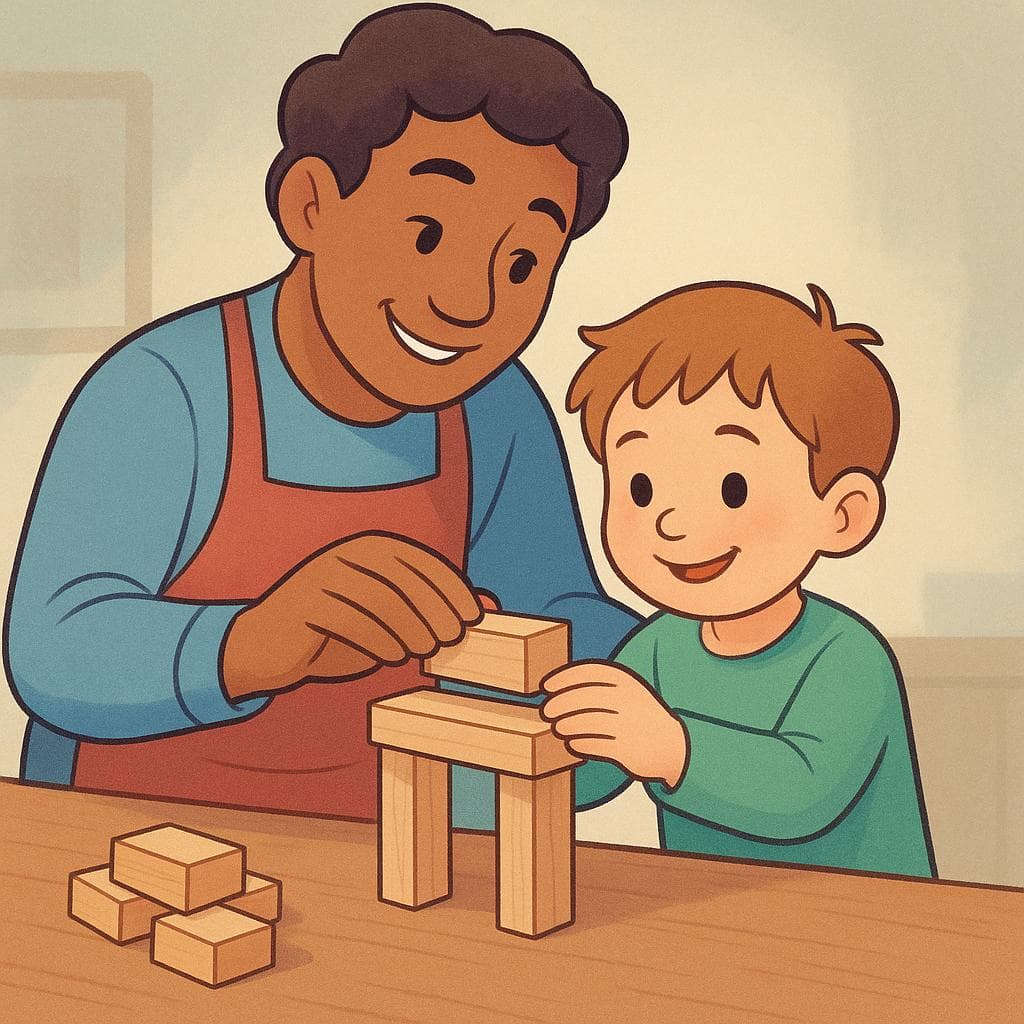

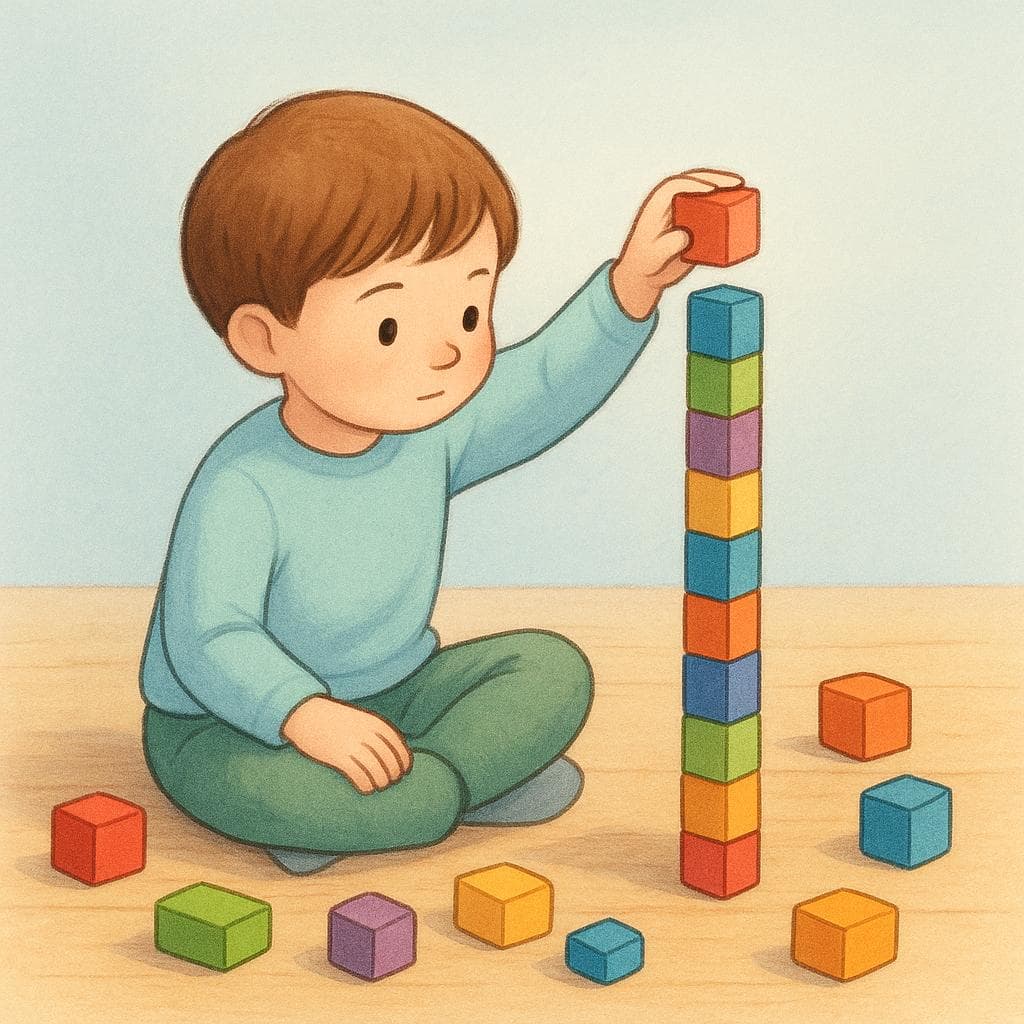

entrenamiento
en-treh-nah-mee-en-tohentrenaˈmjento
Examples
El equipo tiene un entrenamiento muy duro todos los lunes.
The team has a very hard workout every Monday.
Necesitas tres meses de entrenamiento intensivo antes de correr el maratón.
You need three months of intensive training before running the marathon.
El nuevo empleado completó su entrenamiento de seguridad la semana pasada.
The new employee completed his safety training last week.
Masculine Noun Rule
Since this word ends in '-miento', it is always a masculine noun, so you must use 'el' or 'un' before it: 'el entrenamiento'.
Confusing 'entrenamiento' and 'práctica'
Mistake: “Using 'práctica' when referring specifically to a scheduled gym session.”
Correction: Use 'entrenamiento' for structured physical or professional preparation. 'Práctica' is often more general skill rehearsal or routine.
capacitación
Examples
La empresa ofrece capacitación gratuita para los nuevos empleados.
The company offers free training for new employees.
formación
Examples
Necesitas más formación para ese puesto de trabajo.
You need more training for that job position.
práctica
Examples
Necesitas mucha práctica para hablar fluidamente.
You need a lot of practice to speak fluently.
ejercicio
eh-hehr-SEE-seeohe.xerˈsi.sjo

Examples
Hacer ejercicio por la mañana me da mucha energía.
Exercising in the morning gives me a lot of energy.
Necesitas más ejercicio para mantenerte en forma.
You need more exercise to stay in shape.
Always Masculine
Remember to always use the masculine article 'el' with this word: 'el ejercicio' (the exercise), even though it ends in '-o'.
Using the wrong verb
Mistake: “Hago deporte/practico deporte (instead of 'hacer ejercicio').”
Correction: While 'deporte' is related, the most natural way to say 'to exercise' is 'hacer ejercicio'.
preparación
Examples
Ella tiene una excelente preparación académica.
She has an excellent academic background.
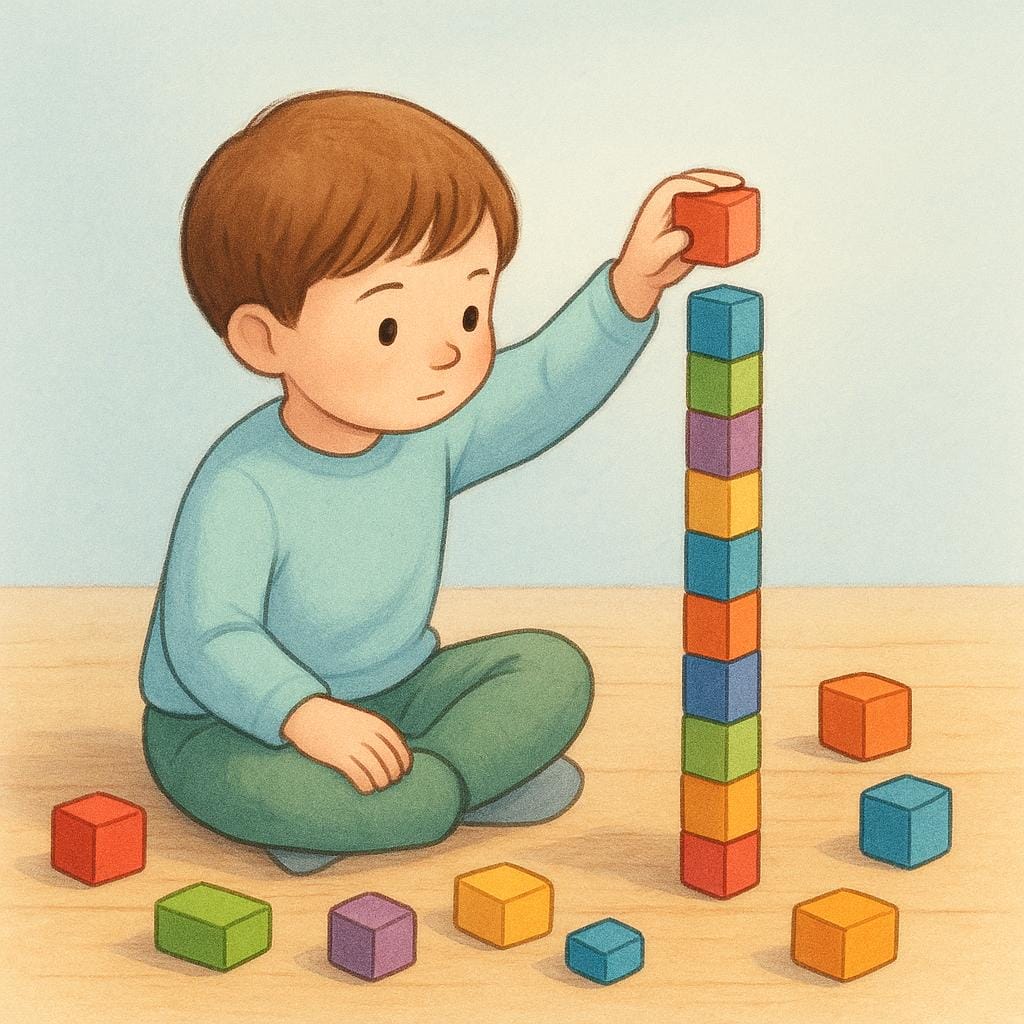
disciplina
dee-see-PLEE-nahdis.siˈpli.na
Examples
Para ser un buen atleta, se necesita mucha disciplina.
To be a good athlete, you need a lot of discipline.
Ella tiene la disciplina de levantarse a las cinco cada mañana.
She has the self-control to get up at five every morning.
La falta de disciplina es un obstáculo para el éxito.
Lack of discipline is an obstacle to success.
Always Feminine
Remember that 'disciplina' is always a feminine word, so you must use 'la' or 'una' before it.
Confusing Gender
Mistake: “El disciplina”
Correction: La disciplina. Always use the feminine article 'la' or 'una' with this word.
entrenando
en-treh-NAN-dohentɾeˈnando

Examples
Estoy entrenando para el maratón de la próxima semana.
I am training for the marathon next week.
Llevamos tres horas entrenando en la cancha.
We have been practicing on the court for three hours.
Ella está entrenando a los nuevos empleados.
She is training the new employees.
The '-ando' ending
In Spanish, the '-ando' ending is just like the English '-ing' ending for 'ar' verbs. It shows that the action is happening right now.
Pairing with 'Estar'
To say 'I am training,' you must use the verb 'estar' (to be) followed by 'entrenando.' Example: 'Estoy entrenando.'
Don't use as a noun
Mistake: “Me gusta el entrenando.”
Correction: Me gusta el entrenamiento. Use 'entrenamiento' for the noun (the workout) and 'entrenando' only for the action.
instrucción
Examples
La instrucción pública es un derecho fundamental.
Public education is a fundamental right.
Entrenamiento vs. Capacitación
Related Translations
Learn Spanish with Inklingo
Interactive stories, personalized learning, and more.