purificar
“purificar” means “to purify” in Spanish. It has 2 different meanings depending on context:


to purify
Also: to filter, to refine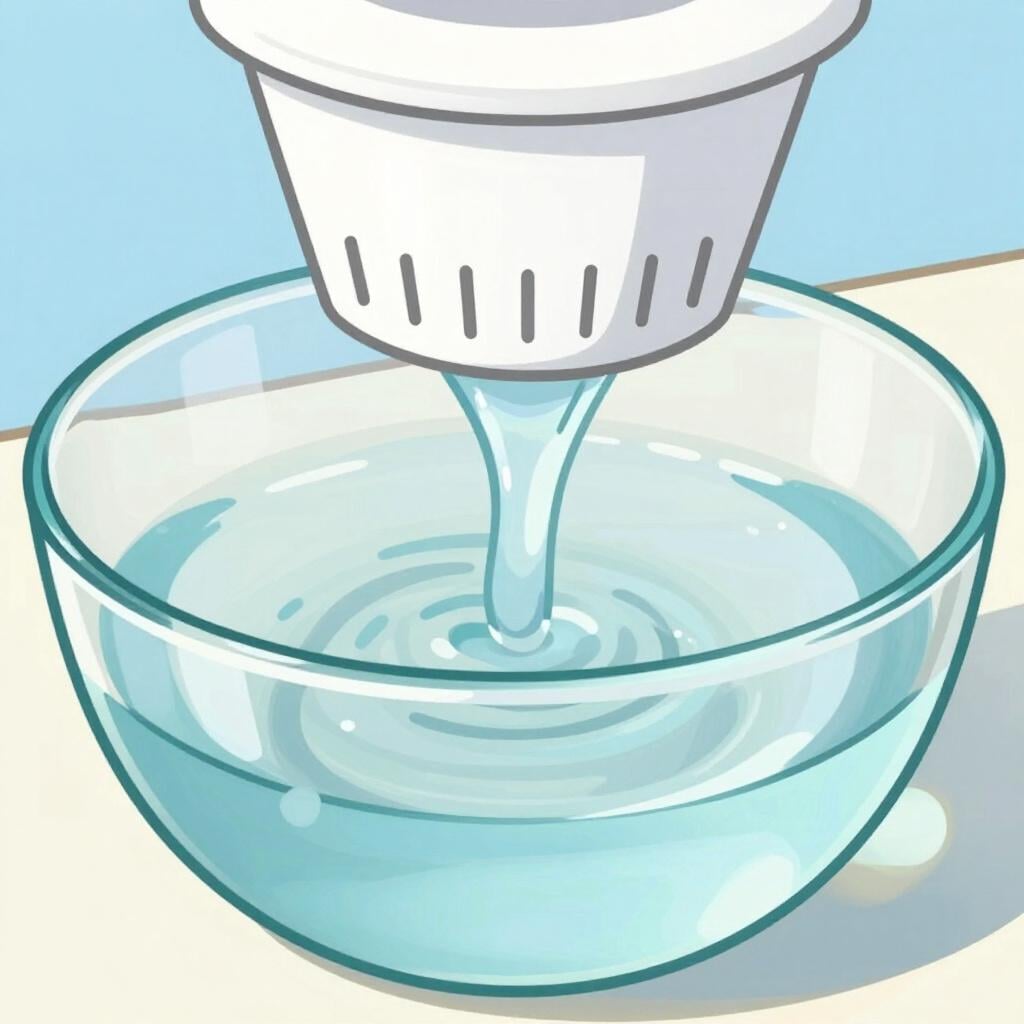
📝 In Action
Este filtro sirve para purificar el agua del grifo.
A2This filter is used to purify tap water.
Las plantas en la oficina ayudan a purificar el aire de forma natural.
B1The plants in the office help to purify the air naturally.
Es necesario purificar el metal antes de fabricar la joya.
B2It is necessary to refine the metal before making the piece of jewelry.
to cleanse
Also: to purge
📝 In Action
Muchos van al río para purificar su espíritu.
B1Many go to the river to cleanse their spirit.
El ritual busca purificar el alma de los pecados pasados.
C1The ritual seeks to cleanse the soul of past sins.
Intentó purificar su imagen pública con obras de caridad.
C2He tried to redeem (purify) his public image with charitable works.
Subjunctive
Imperfect Subjunctive
Present Subjunctive
Indicative
Preterite
Imperfect
Present
Translate to Spanish
✏️ Quick Practice
Quick Quiz: purificar
Question 1 of 3
Which is the correct 'yo' form in the past (completed action)?
📚 More Resources
👥 Word Family▼
📚 Etymology▼
From the Latin 'purificare', which combines 'purus' (pure) and 'facere' (to make or do). Essentially, it means 'to make pure'.
First recorded: 13th century
Cognates (Related words)
💡 Master Spanish
Take your Spanish to the next level. Read 200+ illustrated and narrated Spanish stories tailored to your level with the Inklingo app!
Frequently Asked Questions
Is 'purificar' an irregular verb?
Technically no, it follows regular -ar patterns, but it has a 'spelling change' (c to qu) in certain forms to keep the pronunciation consistent.
Can I use 'purificar' for cleaning my house?
Not usually. 'Purificar' is for deep cleaning contaminants (like water/air) or for spiritual reasons. For a house, use 'limpiar'.
What is a 'purificador'?
It is a noun meaning 'purifier,' like an 'aire purificador' (air purifier) or 'purificador de agua' (water purifier).