redimir
“redimir” means “to redeem” in Spanish. It has 2 different meanings depending on context:

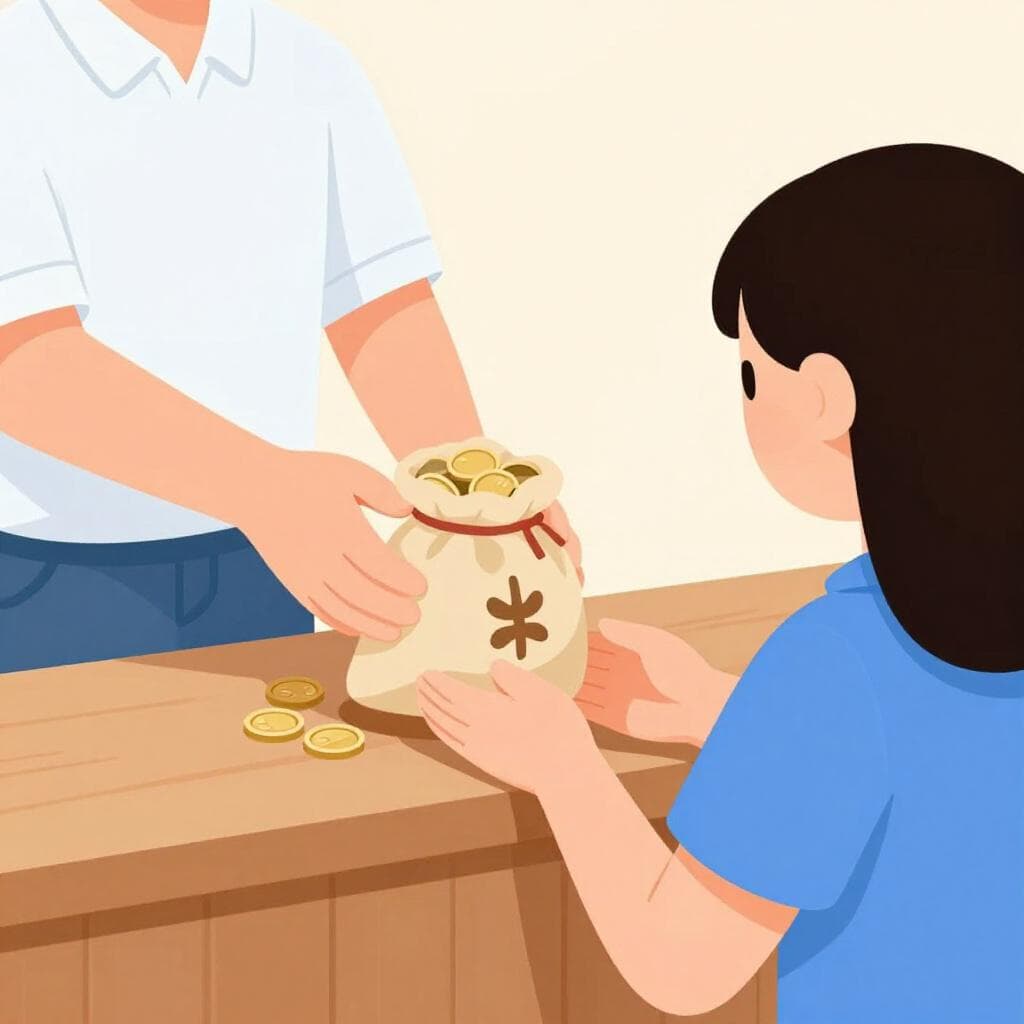
to redeem
Also: to rescue, to make up for
📝 In Action
Él quiere redimir sus errores del pasado ayudando a los demás.
B2He wants to redeem his past mistakes by helping others.
Después de años de fracasos, el equipo se redimió ganando el campeonato.
B2After years of failures, the team redeemed themselves by winning the championship.
La caridad le dio una oportunidad de redimir su imagen pública.
C1Charity gave him a chance to redeem his public image.
to pay off
Also: to buy back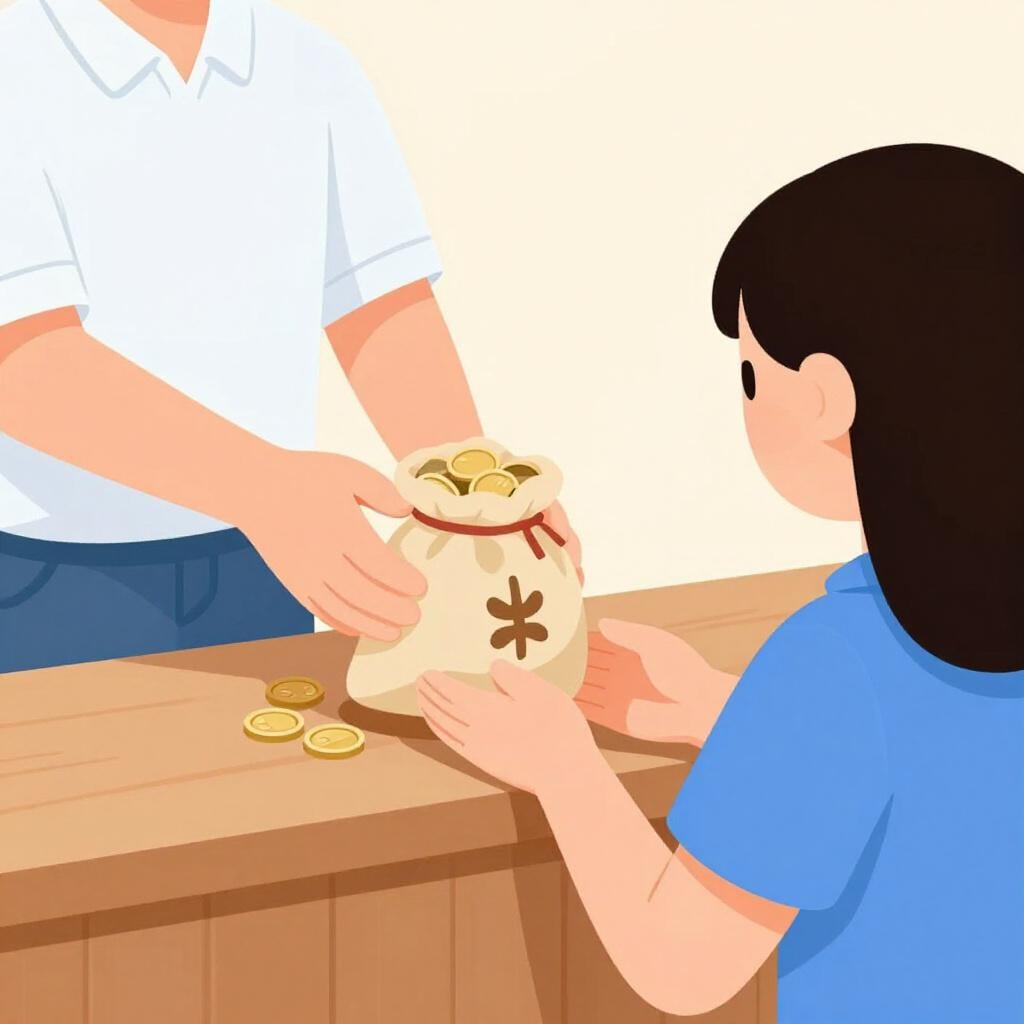
📝 In Action
El gobierno decidió redimir los bonos de deuda.
C1The government decided to pay off the debt bonds.
Fue a la casa de empeño para redimir su reloj.
B2He went to the pawn shop to buy back his watch.
Es posible redimir la hipoteca antes de tiempo.
C1It is possible to pay off the mortgage early.
Subjunctive
Imperfect Subjunctive
Present Subjunctive
Indicative
Preterite
Imperfect
Present
Translate to Spanish
✏️ Quick Practice
Quick Quiz: redimir
Question 1 of 3
If someone wants to 'redimir una culpa', what are they doing?
📚 More Resources
👥 Word Family▼
📚 Etymology▼
From the Latin word 'redimere', which combines 're-' (again/back) and 'emere' (to buy). It literally means 'to buy back'.
First recorded: 13th century
Cognates (Related words)
💡 Master Spanish
Take your Spanish to the next level. Read 200+ illustrated and narrated Spanish stories tailored to your level with the Inklingo app!
Frequently Asked Questions
Is 'redimir' used in everyday conversation?
Not usually. It is a formal word. In casual conversation, people prefer 'arreglar' (to fix) or 'pagar' (to pay).
What is the difference between redimir and salvar?
Salvar is general 'saving' from danger. Redimir implies 'buying back' or 'earning' salvation through an action or payment.
Can you use 'redimir' for coupons?
In some regions, yes (redimir cupones), but 'canjear' is much more common for swapping coupons for products.