manchar
“manchar” means “to stain” in Spanish. It has 2 different meanings depending on context:
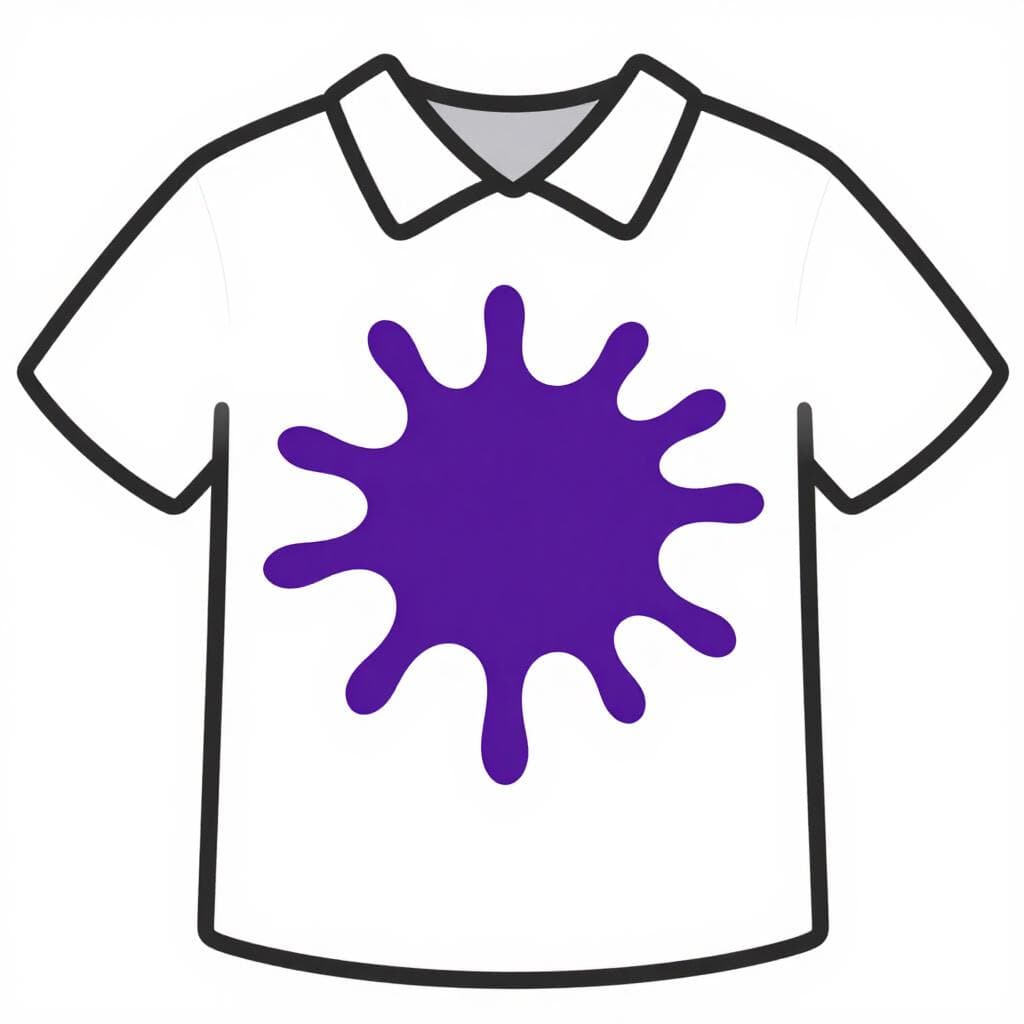

to stain, to get dirty
Also: to smudge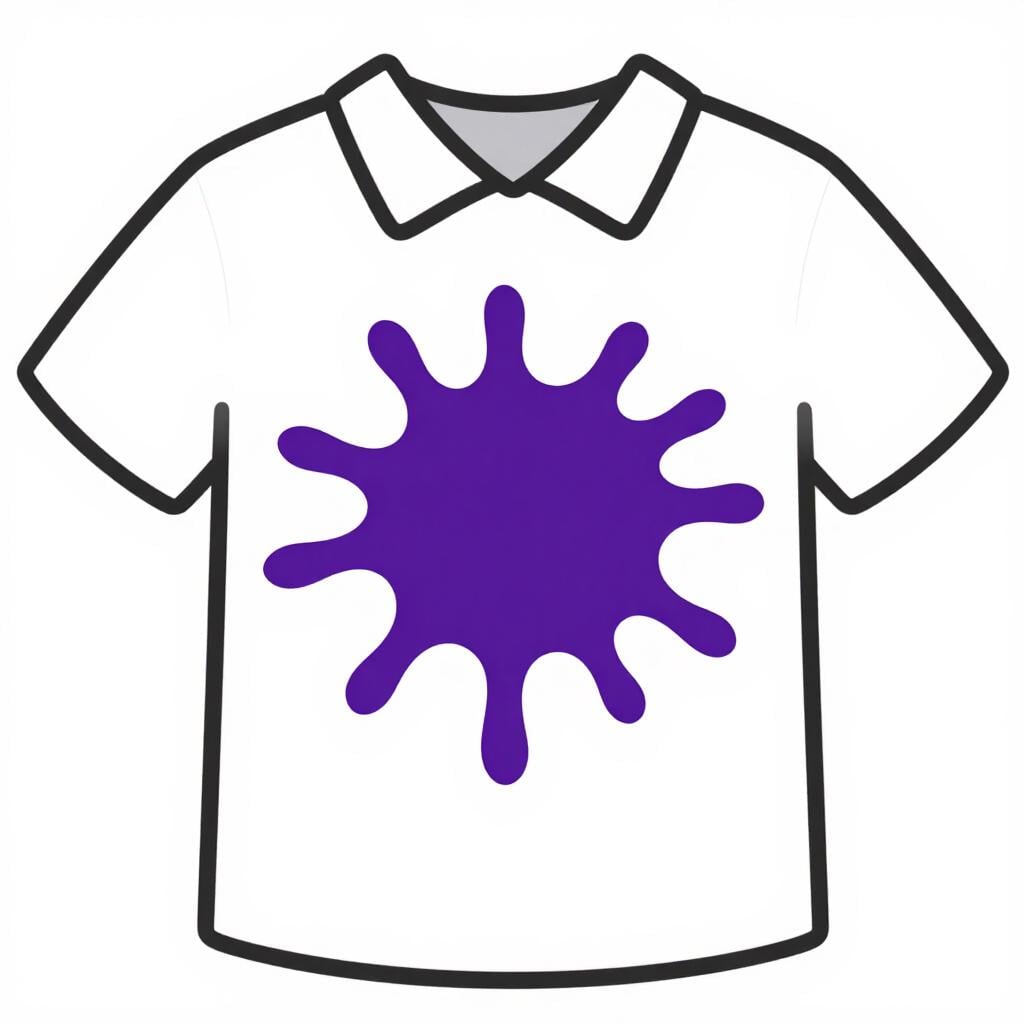
📝 In Action
Ten cuidado con el café, puedes manchar el sofá.
A2Be careful with the coffee; you might stain the sofa.
La tinta de este bolígrafo mancha mucho las manos.
B1The ink from this pen really stains your hands.
Me manché la camisa blanca con salsa de tomate.
A2I stained my white shirt with tomato sauce.
to tarnish, to blemish

📝 In Action
Ese escándalo va a manchar su reputación para siempre.
B2That scandal is going to tarnish his reputation forever.
No permitiré que manches el buen nombre de mi familia.
C1I won't allow you to blemish my family's good name.
Un solo error puede manchar un expediente perfecto.
B2A single mistake can tarnish a perfect record.
Subjunctive
Imperfect Subjunctive
Present Subjunctive
Indicative
Preterite
Imperfect
Present
Translate to Spanish
✏️ Quick Practice
Quick Quiz: manchar
Question 1 of 3
How would you say 'I stained my pants'?
📚 More Resources
👥 Word Family▼
📚 Etymology▼
From the Latin word 'maculare', which means 'to make spots' or 'to stain'.
First recorded: 13th century
Cognates (Related words)
💡 Master Spanish
Take your Spanish to the next level. Read 200+ illustrated and narrated Spanish stories tailored to your level with the Inklingo app!
Frequently Asked Questions
What is the difference between manchar and ensuciar?
Manchar is for specific spots or stains (like ink or wine). Ensuciar is more general (like getting mud on your shoes or dust on a table).
Is 'manchar' a regular verb?
Yes! It follows the standard -ar verb pattern for all tenses.
Does 'manchar' always mean something bad?
Usually, yes, because it implies something clean is now dirty or damaged. However, it can be used neutrally in art (like smudging a drawing for effect).