pureza
“pureza” means “purity” in Spanish. It has 2 different meanings depending on context:
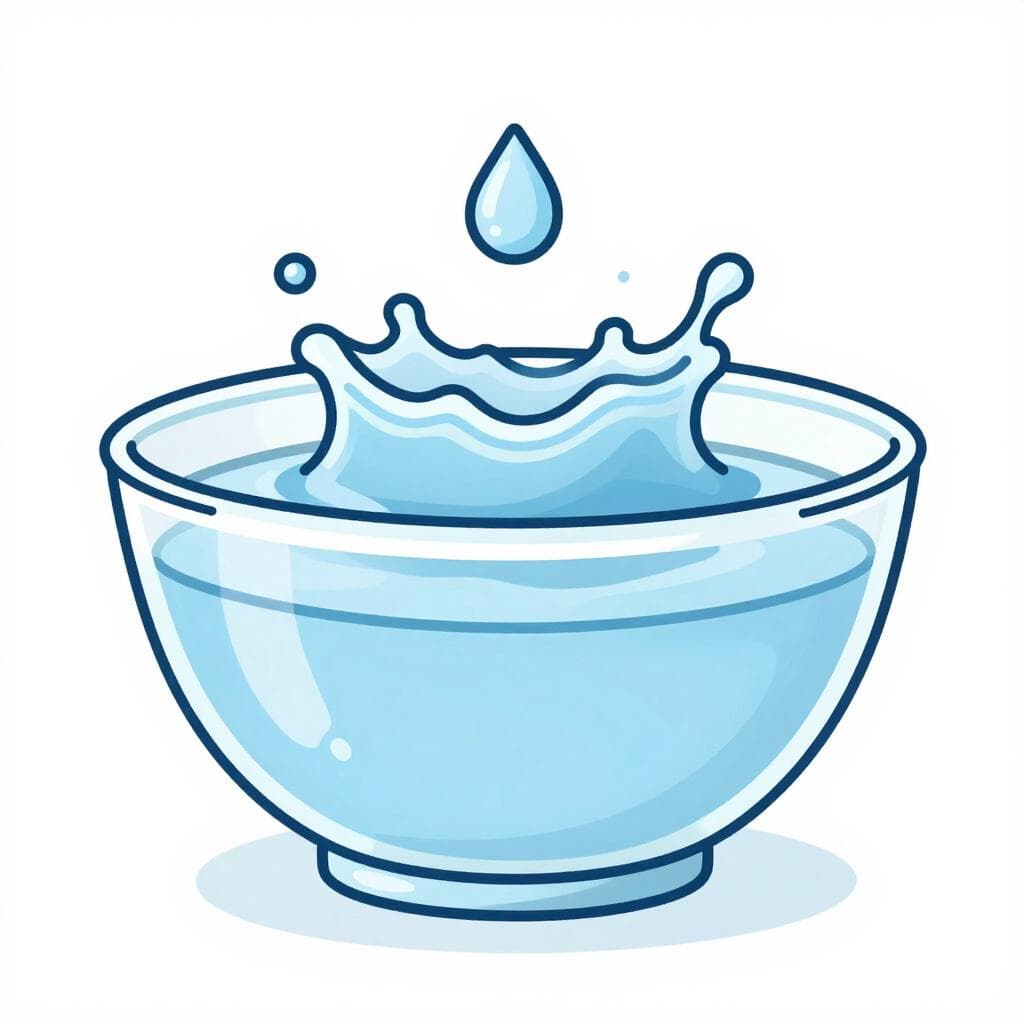

purity
Also: cleanness
📝 In Action
La pureza del agua de esta montaña es famosa.
B1The purity of the water from this mountain is famous.
El anillo está hecho de oro de gran pureza.
B1The ring is made of high-purity gold.
Los científicos analizan la pureza del aire en la ciudad.
B2Scientists analyze the air purity in the city.
innocence
Also: sincerity
📝 In Action
Admiro la pureza de sus intenciones.
B2I admire the purity of her intentions.
El poeta escribe sobre la pureza del alma.
C1The poet writes about the purity of the soul.
Los niños actúan con total pureza.
B2Children act with total innocence/purity.
Translate to Spanish
✏️ Quick Practice
Quick Quiz: pureza
Question 1 of 3
Which sentence correctly talks about the quality of a diamond?
📚 More Resources
👥 Word Family▼
🎵 Rhymes▼
📚 Etymology▼
From the Latin word 'puritia', which comes from 'purus' meaning clean or clear.
First recorded: 13th century
Cognates (Related words)
💡 Master Spanish
Take your Spanish to the next level. Read 200+ illustrated and narrated Spanish stories tailored to your level with the Inklingo app!
Frequently Asked Questions
Is 'pureza' different from 'limpieza'?
Yes. 'Limpieza' usually refers to physical cleanliness (not having dust or trash). 'Pureza' refers to being unmixed or having a clean essence, like 100% gold or a person with good morals.
Can I use 'pureza' to describe a person?
You can describe a person's 'pureza de alma' (purity of soul) or 'pureza de corazón' (purity of heart) to mean they are very kind and innocent.
Why is it 'la pureza' and not 'el pureza'?
Nouns in Spanish ending in '-eza' are feminine. This is a consistent pattern for words that describe a quality (e.g., la nobleza, la firmeza).