tristeza
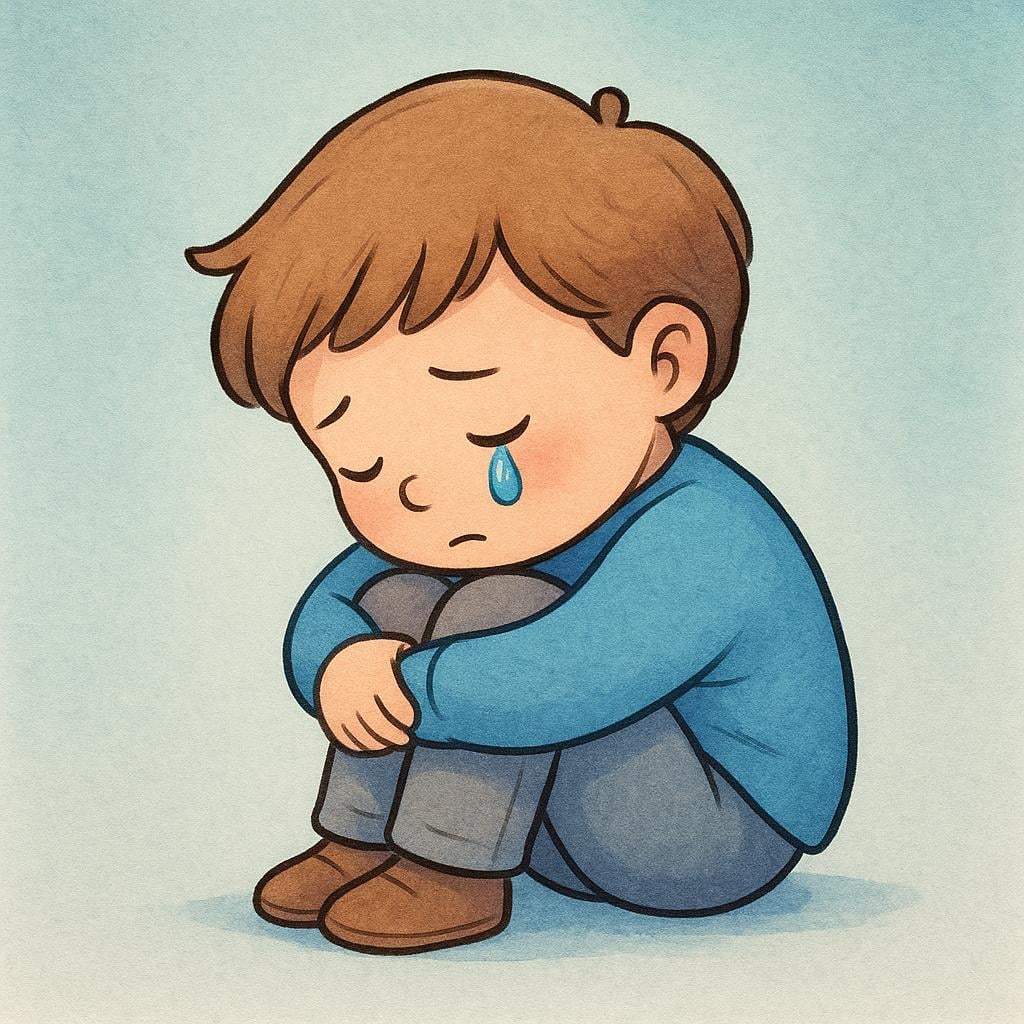
“tristeza” means “sadness” in Spanish (general feeling of unhappiness).
sadness, sorrowAlso: grief
📝 In Action
Sentí una gran tristeza cuando se fue.
A1I felt great sadness when he left.
La tristeza puede ser difícil de superar, pero es normal.
A2Sadness can be hard to overcome, but it is normal.
Para combatir la tristeza, a veces ayuda hablar con un amigo.
B1To fight sorrow, sometimes it helps to talk to a friend.
Word Connections
✏️ Quick Practice
Quick Quiz: tristeza
Question 1 of 1
Which sentence correctly uses the noun 'tristeza'?
📚 More Resources
👥 Word Family
🎵 Rhymes
📚 Etymology
Comes directly from the Latin word *tristitia*, which was formed from *tristis*, meaning 'sad' or 'gloomy.' The Spanish word kept the core meaning perfectly intact.
First recorded: 13th century (Old Spanish)
Cognates (Related words)
💡 Master Spanish
Take your Spanish to the next level. Read 200+ illustrated and narrated Spanish stories tailored to your level with the Inklingo app!
Frequently Asked Questions
What is the difference between 'triste' and 'tristeza'?
'Tristeza' is the noun, meaning 'sadness' (the feeling itself). 'Triste' is the adjective, meaning 'sad' (the state of being). You *feel* 'tristeza' but you *are* 'triste'.