puro
“puro” means “pure” in Spanish. It has 3 different meanings depending on context:
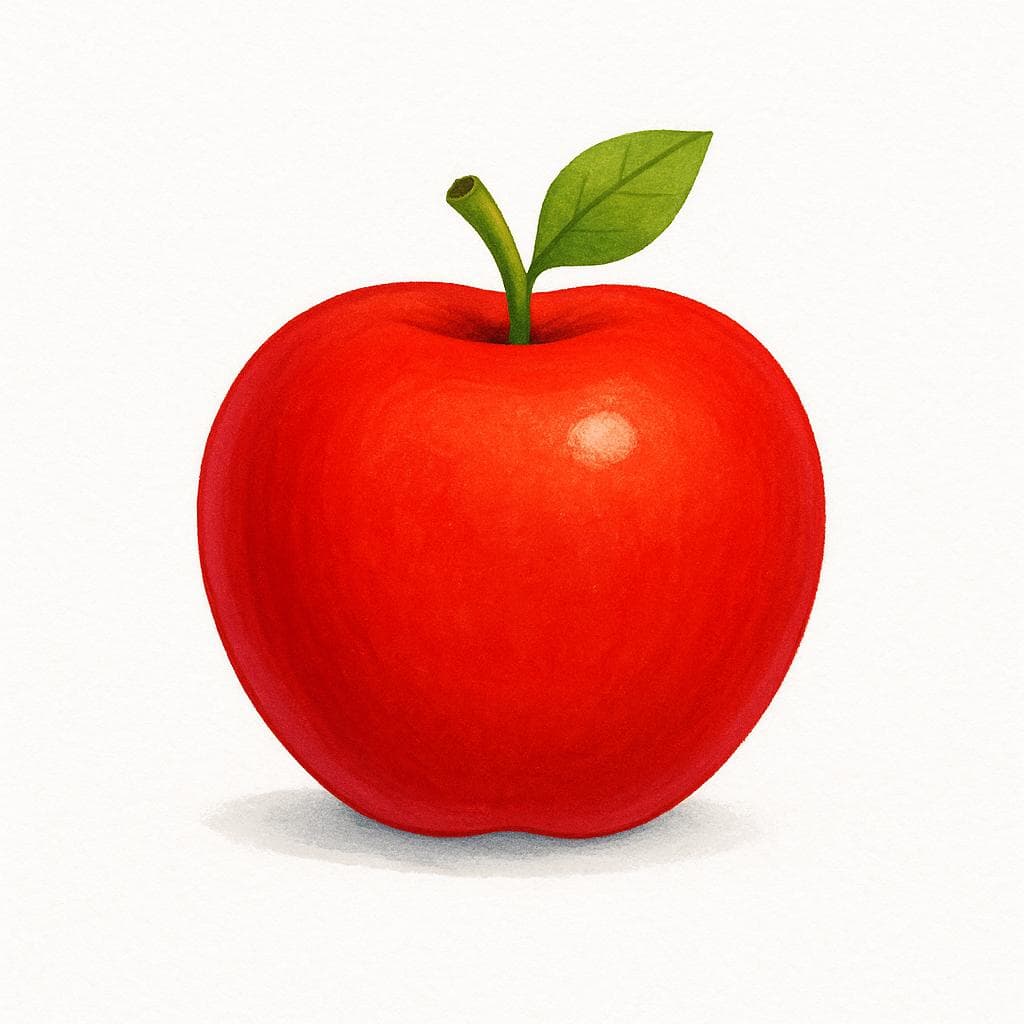

pureAlso: unadulterated, clean
📝 In Action
El aire de la montaña es muy puro.
A2The air in the mountains is very pure.
Ella solo bebe agua pura, sin minerales añadidos.
B1She only drinks pure water, without added minerals.
Word Connections
sheerAlso: total, nothing but

📝 In Action
Fue pura casualidad que nos encontráramos en la calle.
B1It was sheer coincidence that we ran into each other on the street.
Su discurso fue puro drama, sin ningún dato real.
B2His speech was pure drama (nothing but drama), without any real data.
Word Connections
cigar
📝 In Action
Se sentó en el porche a fumar un puro.
B1He sat on the porch to smoke a cigar.
Los puros cubanos son famosos en todo el mundo.
B2Cuban cigars are famous all over the world.
Word Connections
Translate to Spanish
Words that translate to "puro" in Spanish:
✏️ Quick Practice
Quick Quiz: puro
Question 1 of 2
Which sentence uses 'puro' to mean 'sheer' or 'complete'?
📚 More Resources
📚 Etymology
'Puro' comes directly from the Latin word 'pūrus,' meaning 'clean,' 'unmixed,' or 'free from defect.' This core meaning is why it is used for both 'pure' quality and, as a noun, for a cigar (historically, a roll of pure tobacco).
First recorded: Around the 13th century in Spanish.
Cognates (Related words)
💡 Master Spanish
Take your Spanish to the next level. Read 200+ illustrated and narrated Spanish stories tailored to your level with the Inklingo app!
Frequently Asked Questions
Is 'puro' always interchangeable with 'limpio' (clean)?
Not exactly. While they both relate to cleanliness, 'puro' emphasizes being unmixed, unadulterated, or pristine (like 'pure gold' or 'pure water'). 'Limpio' simply means clean or not dirty (like 'clean clothes' or 'a clean floor').
How can I tell if 'puro' means 'pure' (adjective) or 'cigar' (noun)?
Look at the small word before it. If you see 'el' or 'un' followed by 'puro' (e.g., 'el puro'), it's almost certainly the noun 'cigar'. If it changes form (e.g., 'la pura' or 'los puros') and modifies another word, it's the adjective 'pure'.