tabaco
“tabaco” means “tobacco” in Spanish. It has 2 different meanings depending on context:

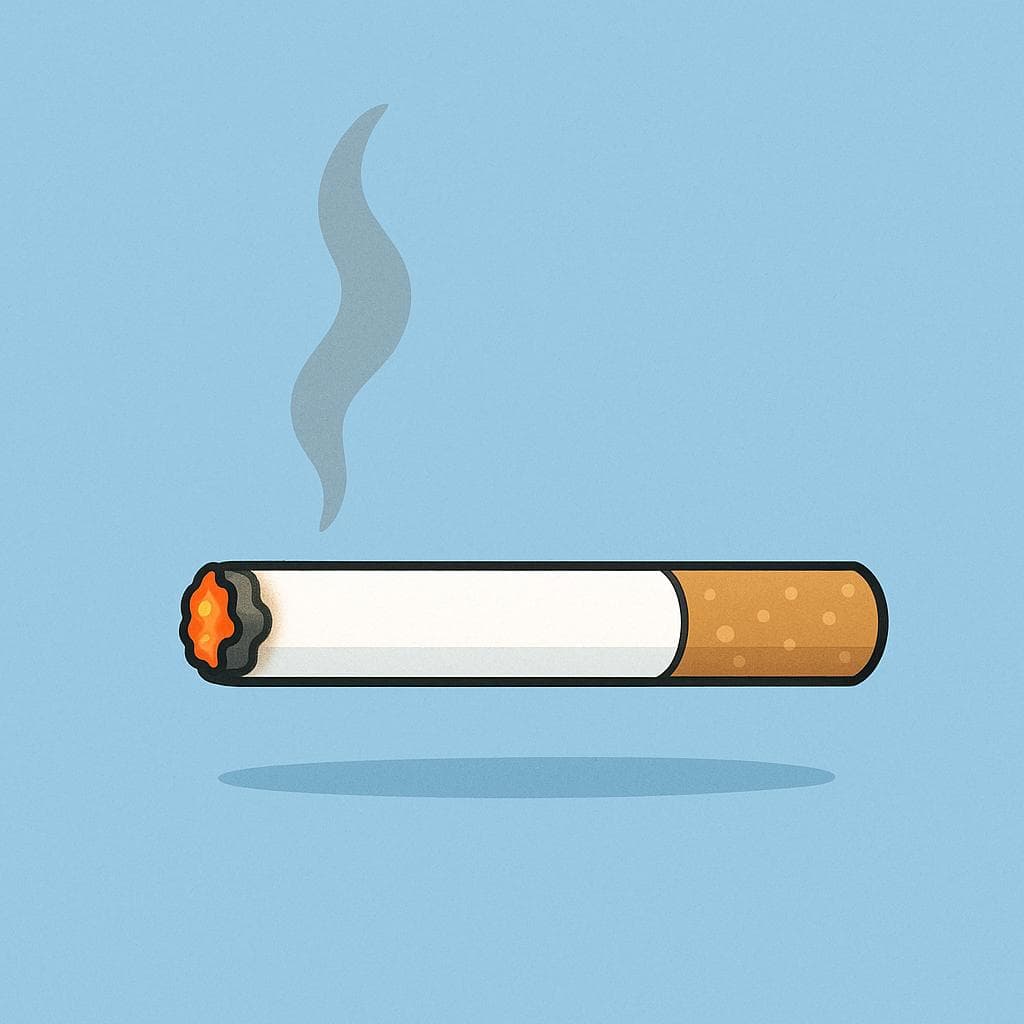
tobaccoAlso: smoking material

📝 In Action
El tabaco es una planta originaria de América.
A1Tobacco is a plant native to America.
Compré una bolsa de tabaco para liar mis propios cigarrillos.
A2I bought a pouch of tobacco to roll my own cigarettes.
Word Connections
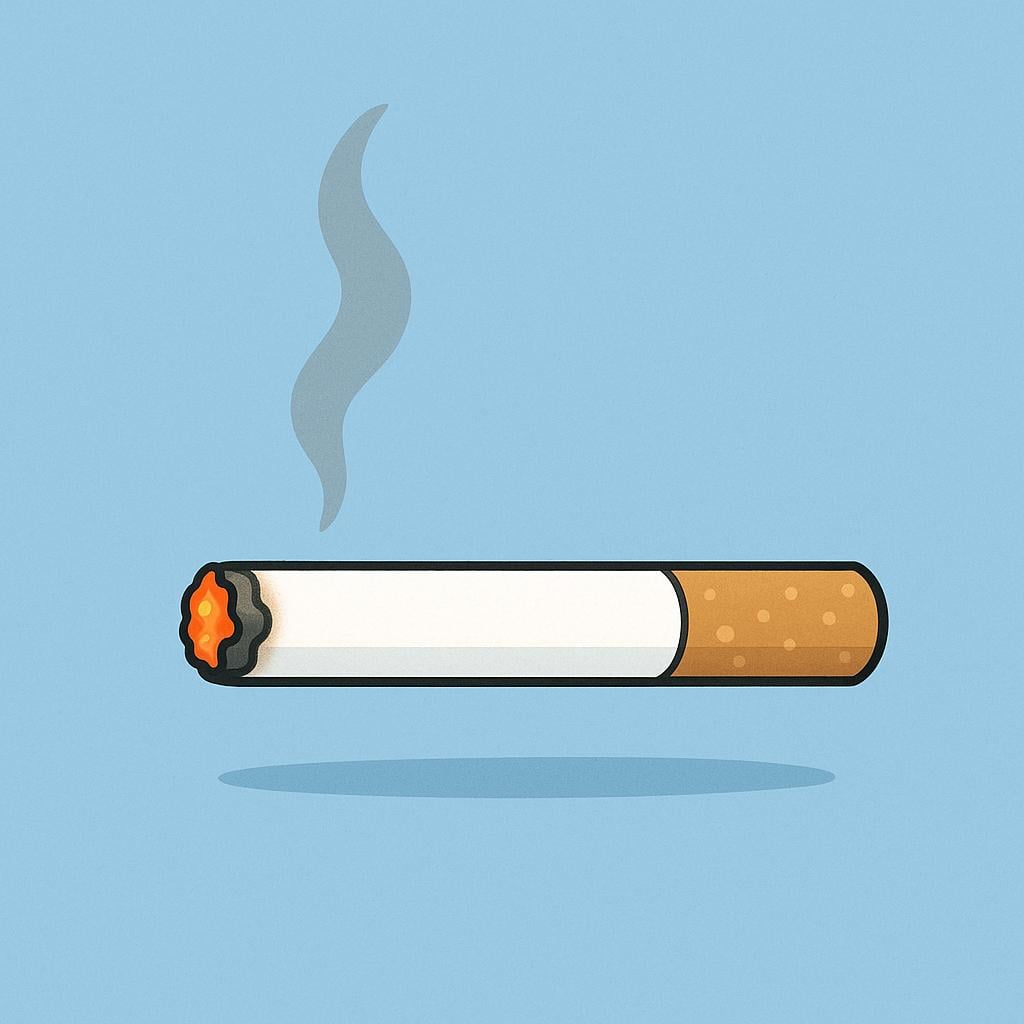
cigaretteAlso: cigar
📝 In Action
¿Me regalas un tabaco? Olvidé los míos en casa.
B1Can you give me a cigarette? I forgot mine at home.
El señor estaba fumando un tabaco enorme en el balcón.
B2The gentleman was smoking a huge cigar on the balcony.
Word Connections
Translate to Spanish
Words that translate to "tabaco" in Spanish:
✏️ Quick Practice
Quick Quiz: tabaco
Question 1 of 1
Which sentence uses 'tabaco' to mean the raw material, not a single item?
📚 More Resources
👥 Word Family
🎵 Rhymes
📚 Etymology
The word comes directly from the Taíno language, which was spoken by indigenous people in the Caribbean (specifically Hispaniola and Cuba). It was one of the first indigenous American words adopted by Spanish explorers and then spread globally.
First recorded: Early 16th century
Cognates (Related words)
💡 Master Spanish
Take your Spanish to the next level. Read 200+ illustrated and narrated Spanish stories tailored to your level with the Inklingo app!
Frequently Asked Questions
¿Cuál es la diferencia entre 'tabaco' y 'cigarro'?
Generally, 'tabaco' refers to the plant or substance itself ('I quit tobacco'). 'Cigarro' usually means a manufactured cigarette ('I need a cigarette'). However, in some regions, 'un tabaco' can be used informally to mean 'a cigarette' or 'a cigar,' so context matters!