cigarro
“cigarro” means “cigarette” in Spanish. It has 2 different meanings depending on context:

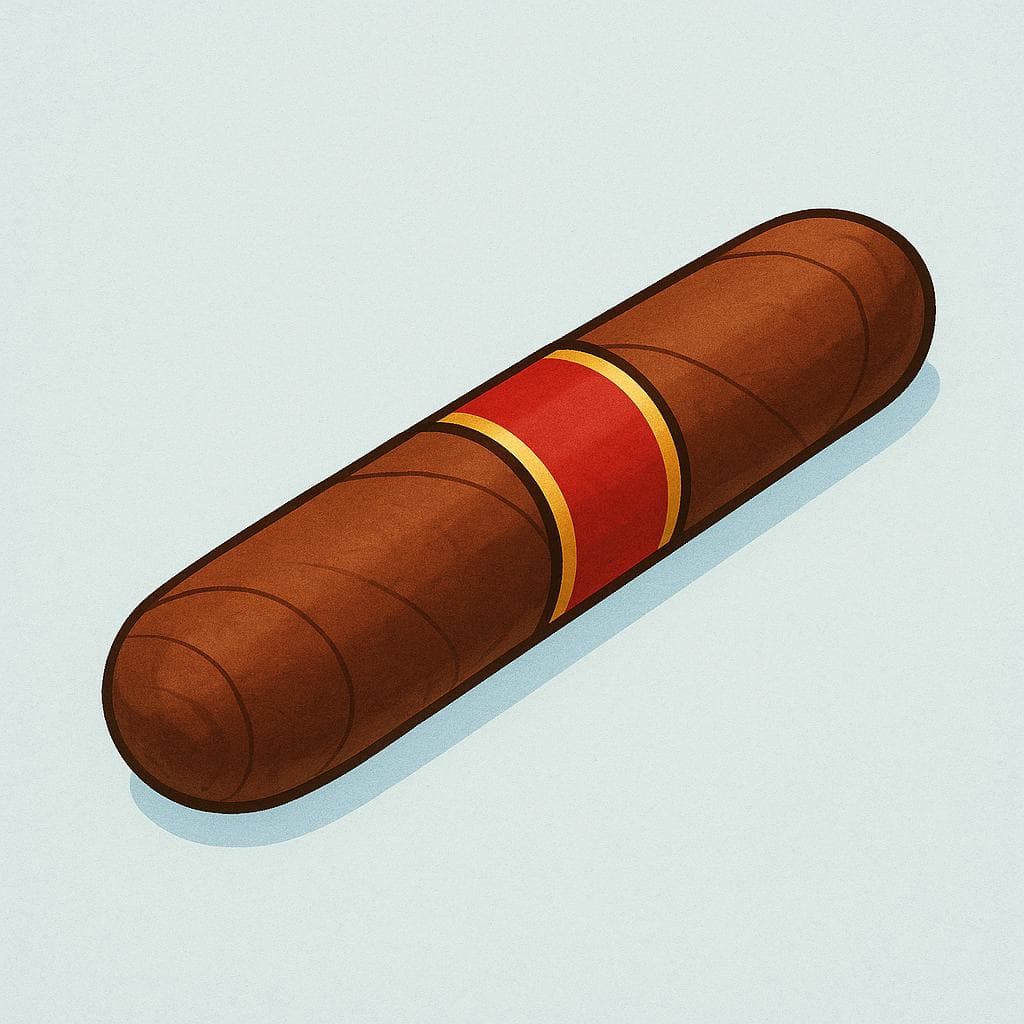
cigaretteAlso: smoke

📝 In Action
¿Me das un cigarro, por favor? Se me acabó el mío.
A1Can you give me a cigarette, please? I ran out of mine.
Ella fue afuera a fumar un cigarro durante el descanso.
A2She went outside to smoke a cigarette during the break.
Word Connections
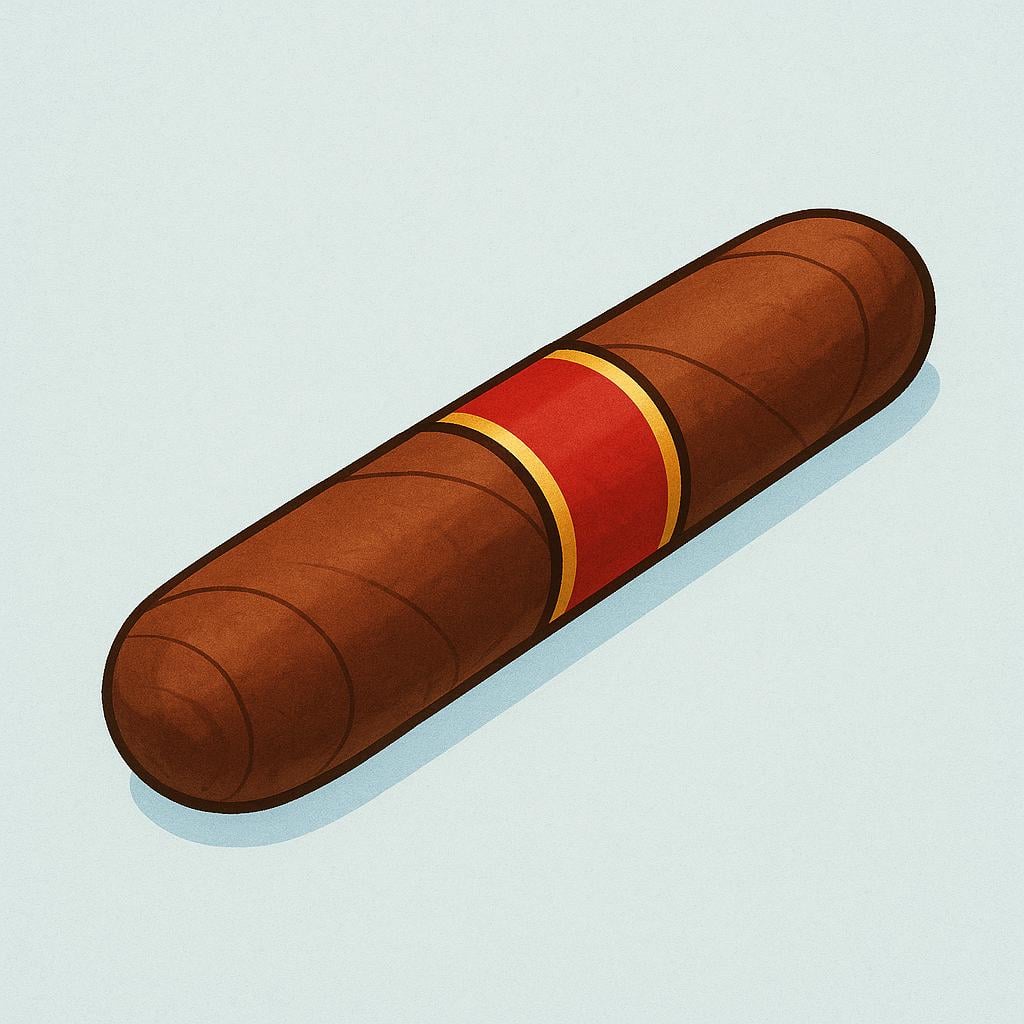
cigar
📝 In Action
Mi abuelo solo fuma cigarros en ocasiones especiales.
B1My grandfather only smokes cigars on special occasions.
Compramos un cigarro dominicano muy aromático.
B2We bought a very aromatic Dominican cigar.
Word Connections
Translate to Spanish
🗣️ Practice in a Tongue Twister
✏️ Quick Practice
Quick Quiz: cigarro
Question 1 of 2
If you are in Madrid and ask for 'un cigarro,' what are you most likely requesting?
📚 More Resources
👥 Word Family
🎵 Rhymes
📚 Etymology
The word 'cigarro' is thought to have come from the Mayan word *sikar* (meaning 'to smoke rolled tobacco leaves') or possibly from the Nahuatl word *sictli* (tobacco). It was one of the first words related to tobacco to enter European languages after the discovery of the Americas.
First recorded: 17th century
Cognates (Related words)
💡 Master Spanish
Take your Spanish to the next level. Read 200+ illustrated and narrated Spanish stories tailored to your level with the Inklingo app!
Frequently Asked Questions
Why does 'cigarro' mean 'cigarette' in Spain but 'cigar' in Mexico?
This is a classic case of regional drift. In Spain, the smaller, mass-produced product took over the general name. In Mexico and the Caribbean, the word kept its original meaning referring to the traditional, larger, rolled tobacco product (the cigar), and they use the diminutive form ('cigarrito') or other local words for the modern cigarette.
What is the safest word to use if I want to ask for a large cigar globally?
The word 'puro' is usually understood across the Spanish-speaking world to mean a large, hand-rolled cigar, avoiding the regional confusion associated with 'cigarro'.