limpio
“limpio” means “clean” in Spanish. It has 3 different meanings depending on context:
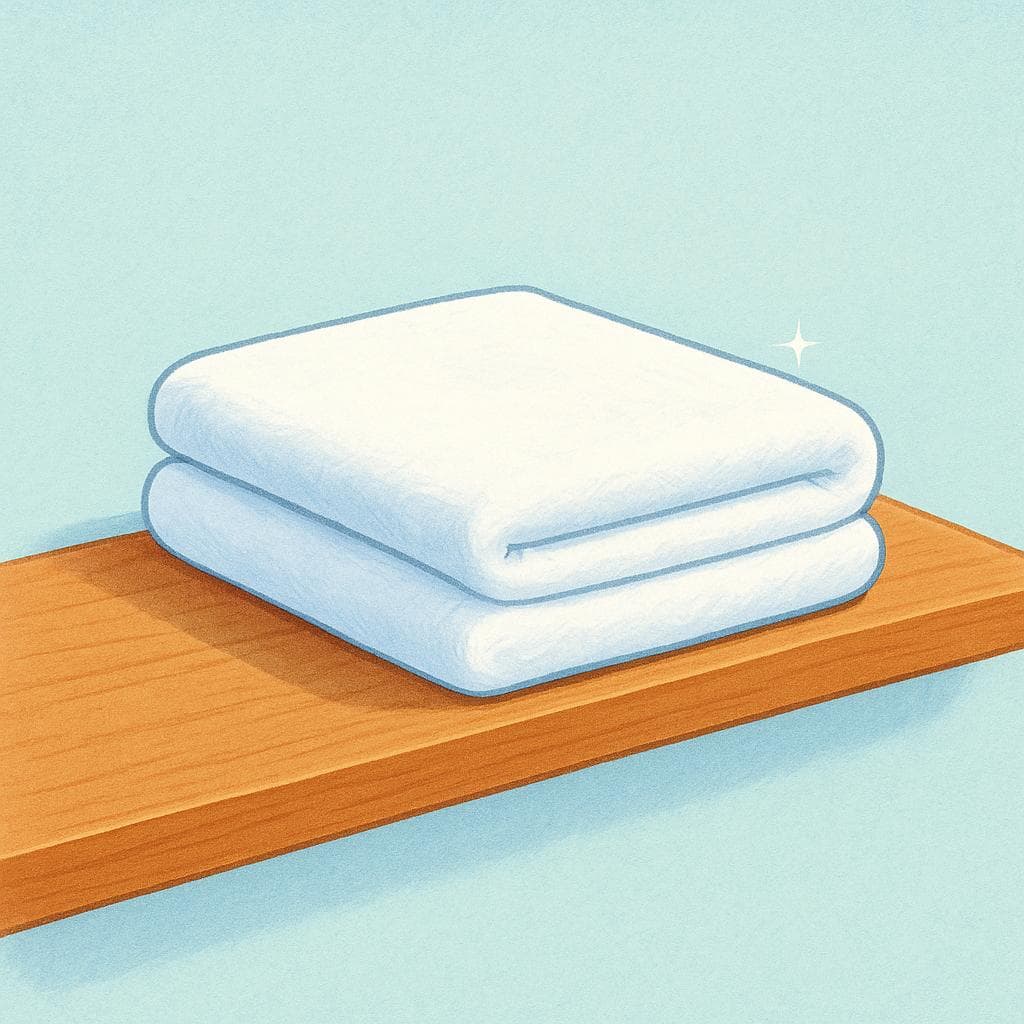


cleanAlso: spotless, neat

📝 In Action
Mi habitación está limpia por fin.
A1My room is clean finally.
¿Está limpio el plato?
A1Is the plate clean?
Necesito una toalla limpia.
A2I need a clean towel.
Word Connections
honestAlso: innocent, clear

📝 In Action
Él tiene un historial limpio.
B1He has a clean record.
Fue un juego limpio y sin trampas.
B1It was a fair game without cheating.
Ella quiere tener su conciencia limpia.
B2She wants to have a clear conscience.
Word Connections
netAlso: smooth, broke

📝 In Action
El salario limpio es lo que recibes después de impuestos.
B2The net salary is what you receive after taxes.
El cirujano hizo un corte muy limpio.
B2The surgeon made a very clean (smooth, precise) cut.
Perdí mi cartera y ahora estoy limpio.
C1I lost my wallet and now I am broke.
Translate to Spanish
✏️ Quick Practice
Quick Quiz: limpio
Question 1 of 2
Which sentence uses 'limpio' to mean 'net' or 'after deductions'?
📚 More Resources
👥 Word Family
🎵 Rhymes
📚 Etymology
Comes from the Latin word *limpidus*, which meant 'clear' or 'bright,' specifically describing water that was transparent. This original meaning connects perfectly to the modern idea of something free from dirt or cloudiness.
First recorded: 13th century
Cognates (Related words)
💡 Master Spanish
Take your Spanish to the next level. Read 200+ illustrated and narrated Spanish stories tailored to your level with the Inklingo app!
Frequently Asked Questions
Why is 'limpio' used in so many different ways (clean, honest, net)?
All the meanings stem from the core idea of 'purity' or 'being without blemish.' A physical space without dirt, a person's conscience without guilt, or a financial amount without deductions are all 'limpio' (pure/clear) in their respective contexts.
Does 'limpio' change gender?
Yes, 'limpio' is an adjective and must change to match the thing it describes. For a masculine singular object, use 'limpio' (el coche limpio); for feminine singular, use 'limpia' (la mesa limpia). It also takes plural forms: 'limpios' and 'limpias'.