How to Say "to rub" in Spanish
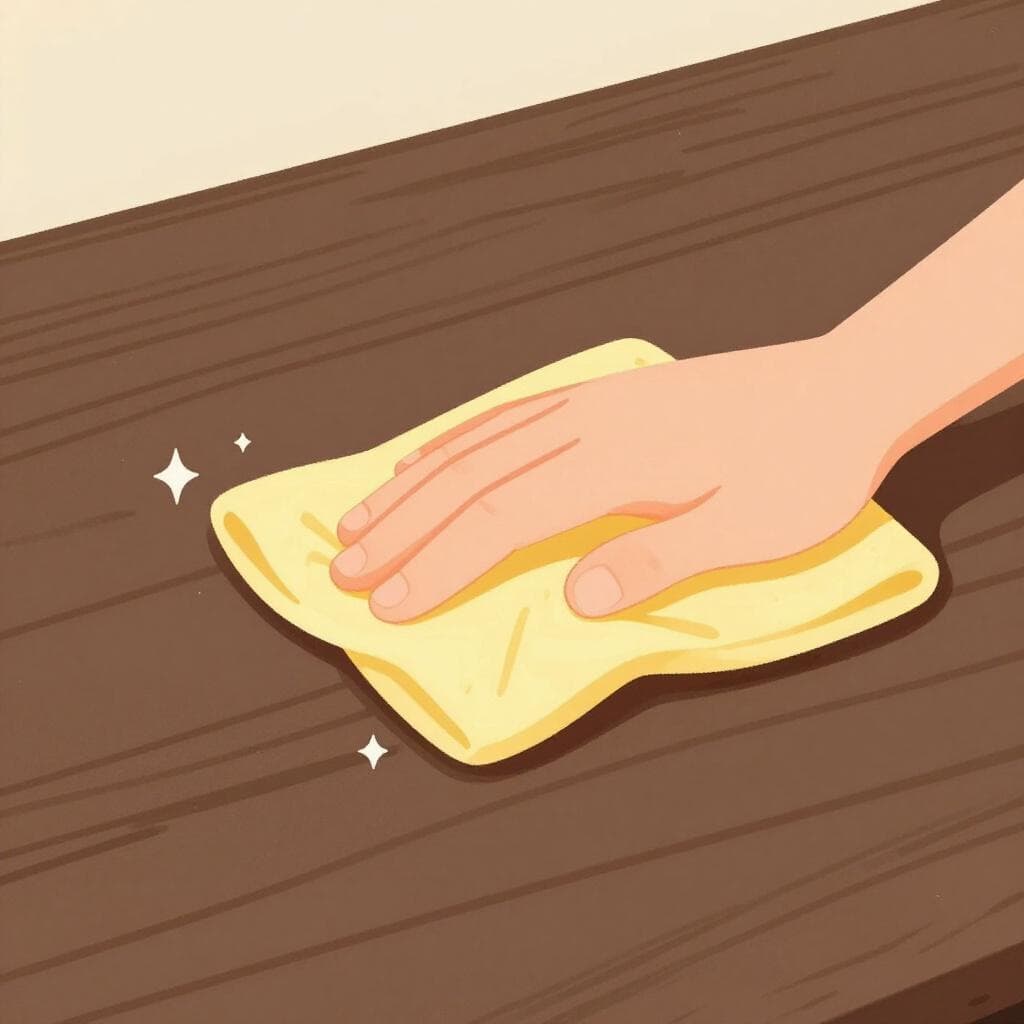
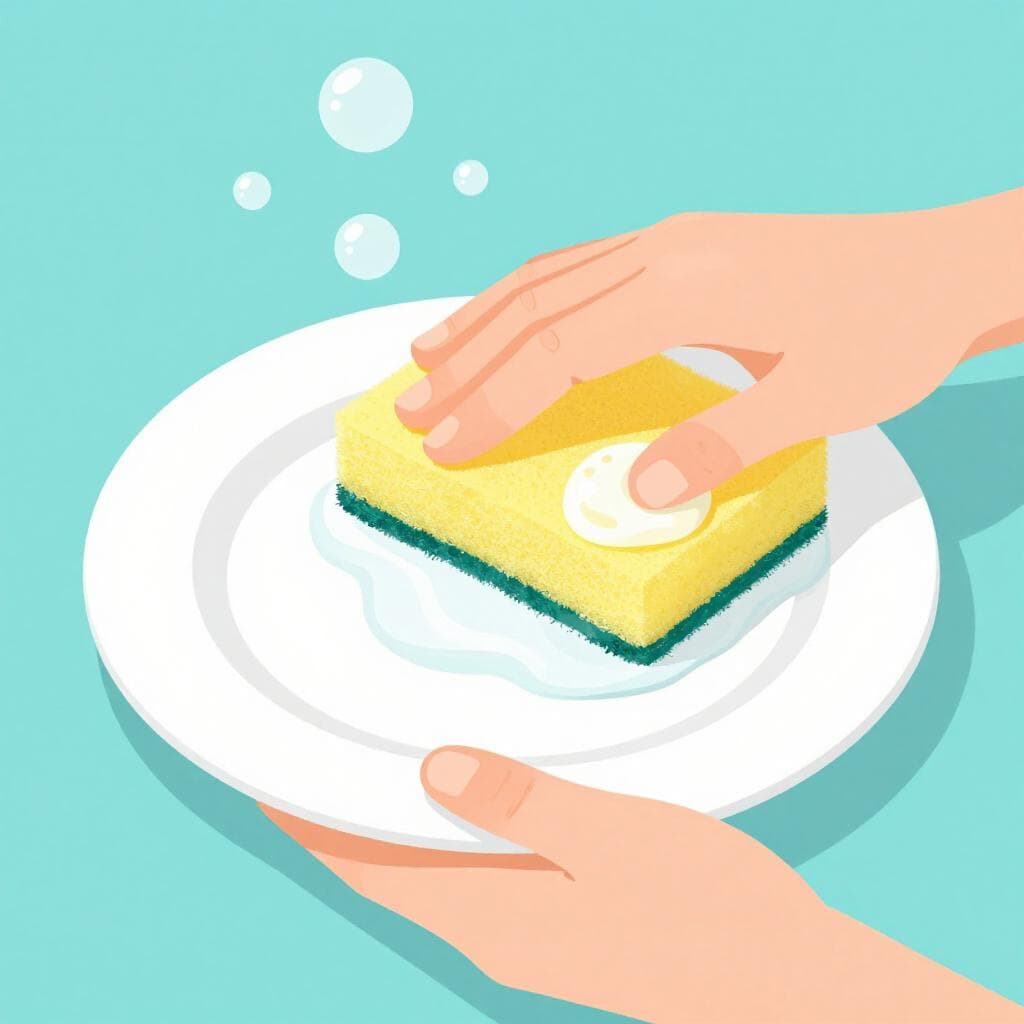
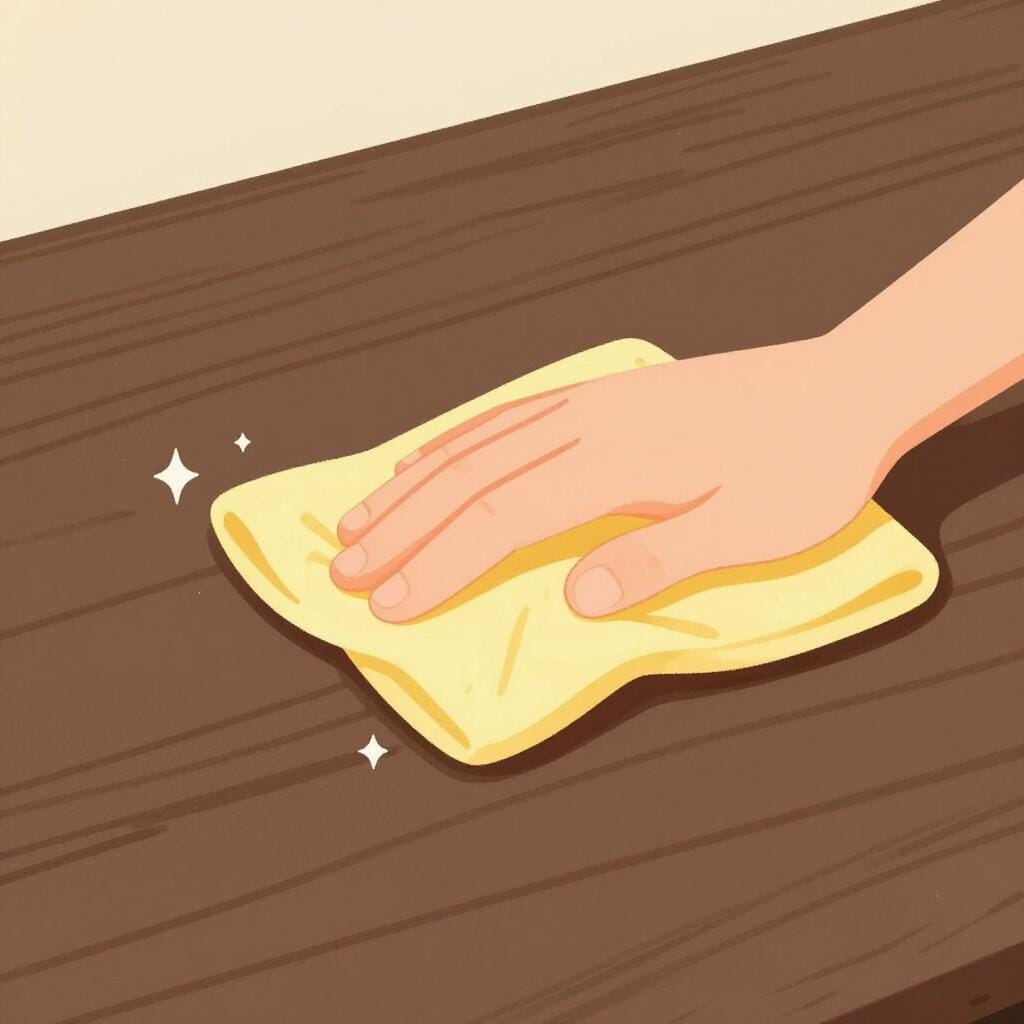
The most common Spanish word for “to rub” is “frotar” — use this when you are applying friction to a surface, often with soap or a cleaning agent, to remove something or clean it.
frotar
fro-TARfɾoˈtaɾ
Examples
Tienes que frotar la mancha con un poco de jabón.
You have to rub the stain with a little bit of soap.
Él se frotó los ojos porque tenía sueño.
He rubbed his eyes because he was sleepy.
Frota las manos para calentarte un poco.
Rub your hands together to warm yourself up a bit.
Using frotar with body parts
When rubbing your own body parts, Spanish uses a reflexive pronoun (me, te, se, nos, os, se) and the definite article (the) instead of 'my' or 'your'. For example: 'Me froto las manos' (I rub my hands).
Direct Objects
If you are rubbing an object, the thing being rubbed follows the verb directly: 'Froté la lámpara'.
Frotar vs. Rascar
Mistake: “Me froto el brazo porque me pica.”
Correction: Me rasco el brazo porque me pica. Use 'frotar' for rubbing/massaging and 'rascar' for scratching an itch.
rascar
rahs-KAHRrasˈkaɾ
Examples
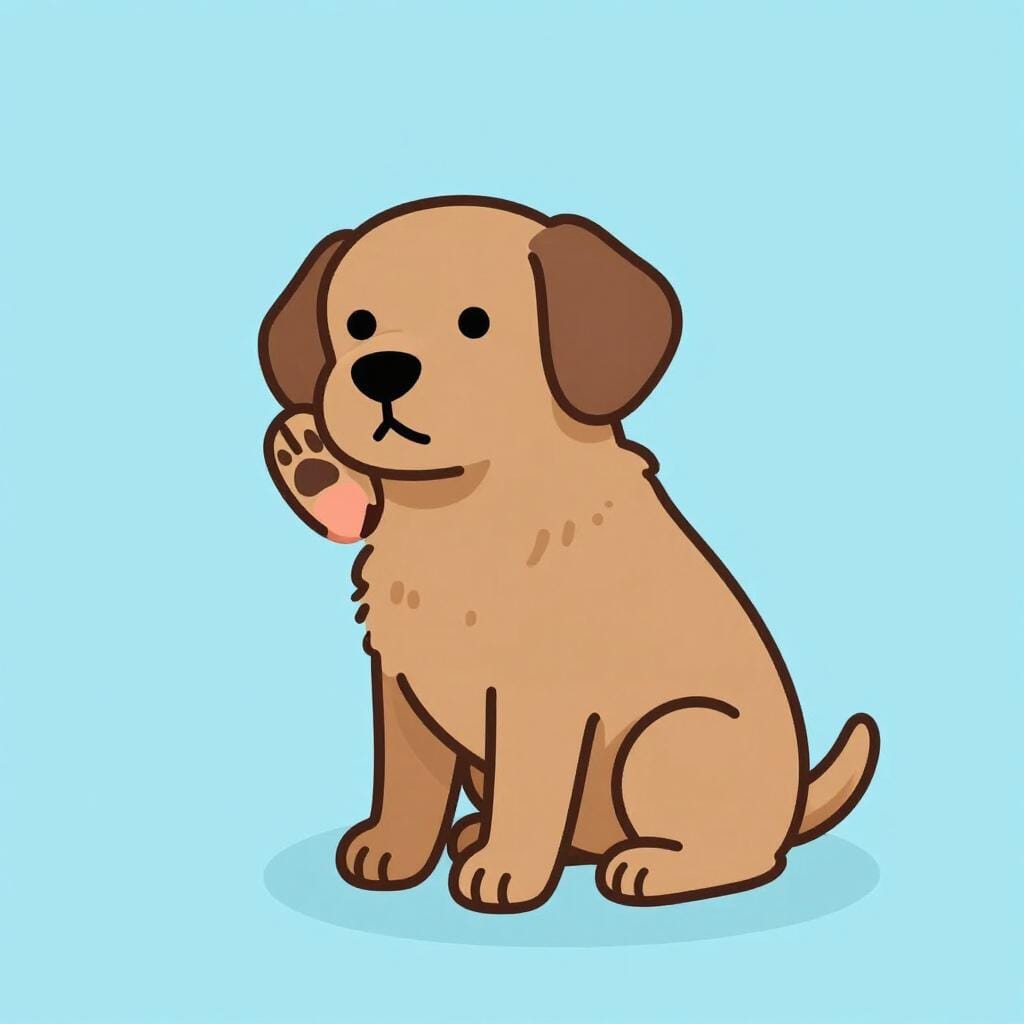
Me pica el brazo y necesito rascarme.
My arm is itchy and I need to scratch myself.
Al gato le gusta que le rasquen detrás de las orejas.
The cat likes having behind his ears scratched.
No te rasques la picadura de mosquito.
Don't scratch your mosquito bite.
The 'C' to 'QU' Swap
When the 'c' in rascar meets an 'e' (like in the past 'I' form or commands), it changes to 'qu' to keep the hard 'k' sound: 'yo rasqué'.
Scratching Yourself
If you are scratching your own body, you must use the reflexive form 'rascarse' (me rasco, te rascas, etc.).
Misspelling the 'k' sound
Mistake: “Yo rascé.”
Correction: Yo rasqué. (We use 'qu' because 'ce' in Spanish sounds like 'se' or 'the'.)
tallar
ta-YARtaˈʝaɾ
Examples
No te talles los ojos con las manos sucias.
Don't rub your eyes with dirty hands.
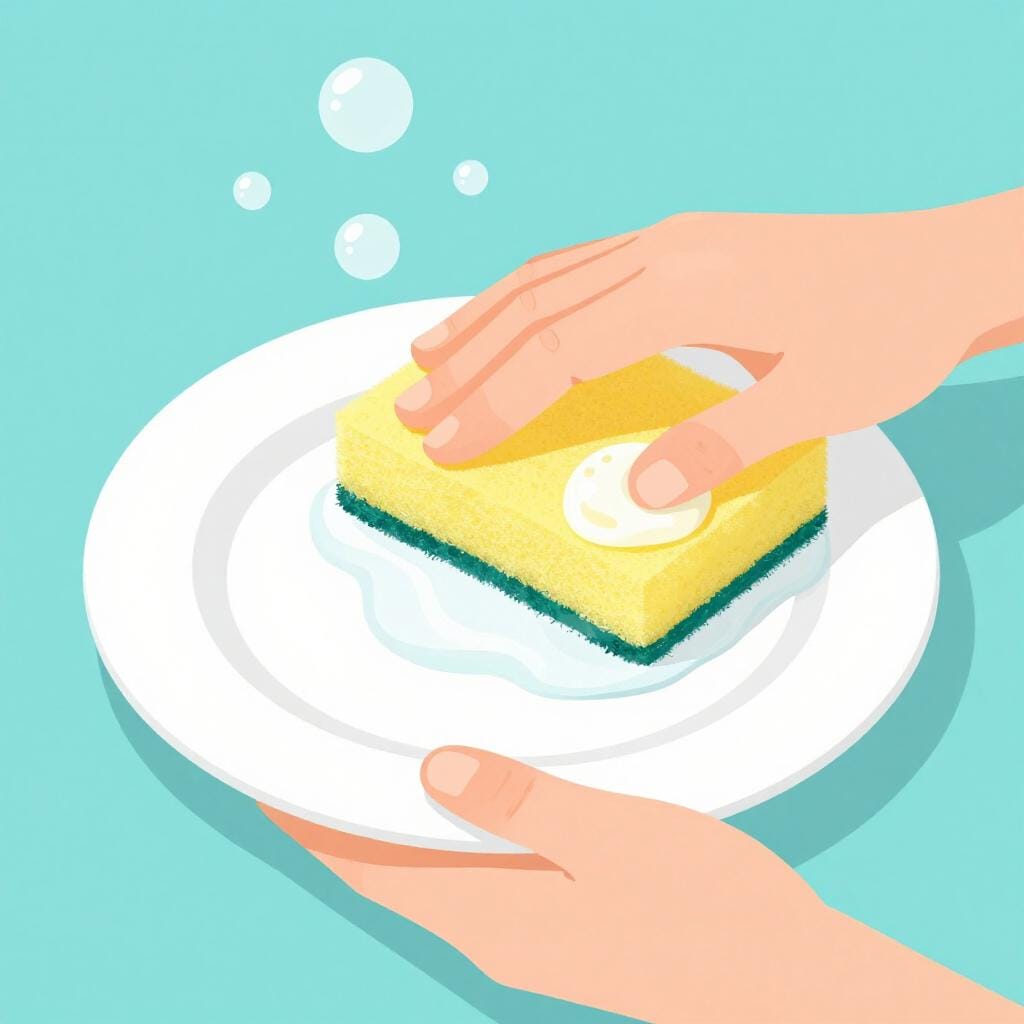
Tienes que tallar bien la mancha de la camisa.
You have to scrub the stain on the shirt well.
Estos zapatos me tallan un poco al caminar.
These shoes rub/chafe me a bit when I walk.
Reflexive Use
When you rub a part of your own body, like your eyes or skin, you often add 'se' to the end (tallarse).
Confusing with 'Talla'
Mistake: “Using 'tallar' to ask for a size.”
Correction: To ask for size, use the noun 'talla'. Tallar is the action of rubbing or carving.
rozar
ro-SAR/ or /ro-THARroˈθar
Examples
La bala le rozó el brazo.
The bullet grazed his arm.
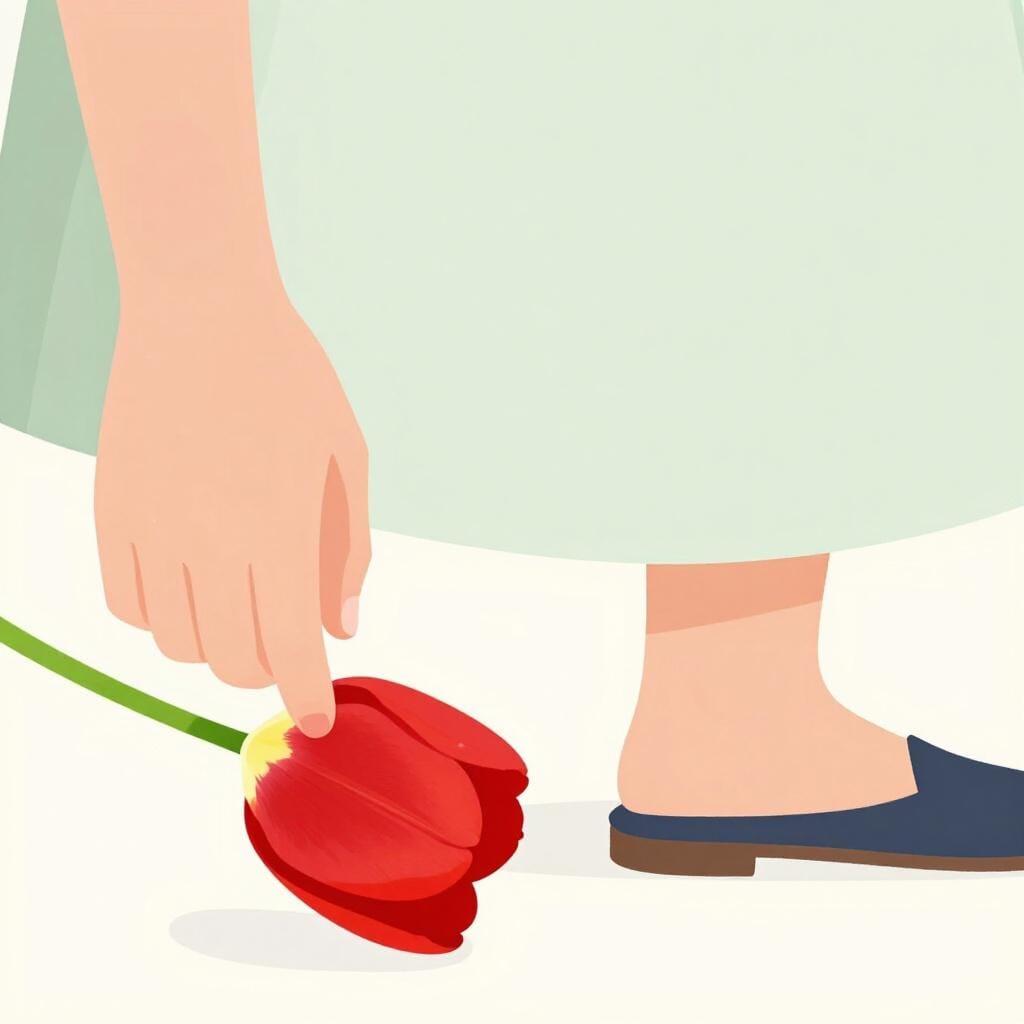
Siento que algo me rozó la pierna en el agua.
I feel like something brushed against my leg in the water.
Ten cuidado de no rozar el coche contra la pared.
Be careful not to rub the car against the wall.
The Z to C Spelling Swap
When a 'z' is followed by an 'e', it usually changes to a 'c' to keep the sound the same. This is why 'yo rozó' becomes 'yo rocé' in the past.
Describing Light Contact
Use 'rozar' when you want to emphasize that the touch was very light or barely happened, unlike 'tocar' which is more general.
Confusion with 'Rociar'
Mistake: “Using 'rozar' when you mean 'to spray'.”
Correction: Use 'rociar' for liquids and 'rozar' for physical touching.
Frotar vs. Rascar
Related Translations
Learn Spanish with Inklingo
Interactive stories, personalized learning, and more.