How to Say "to chafe" in Spanish
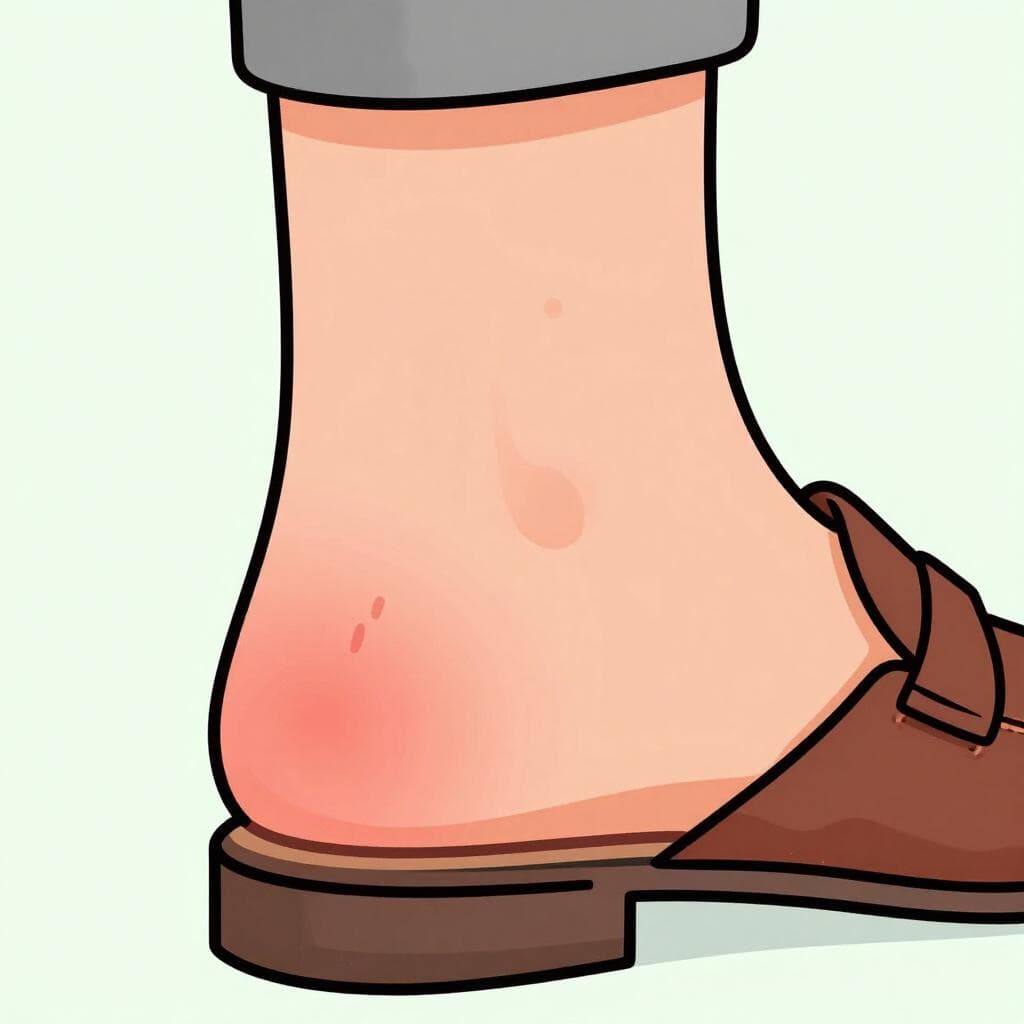
The most common Spanish word for “to chafe” is “rozar” — use 'rozar' when referring to skin becoming irritated or sore specifically due to friction or rubbing, like from clothing or shoes.

rozar
ro-SAR/ or /ro-THARroˈθar
Examples
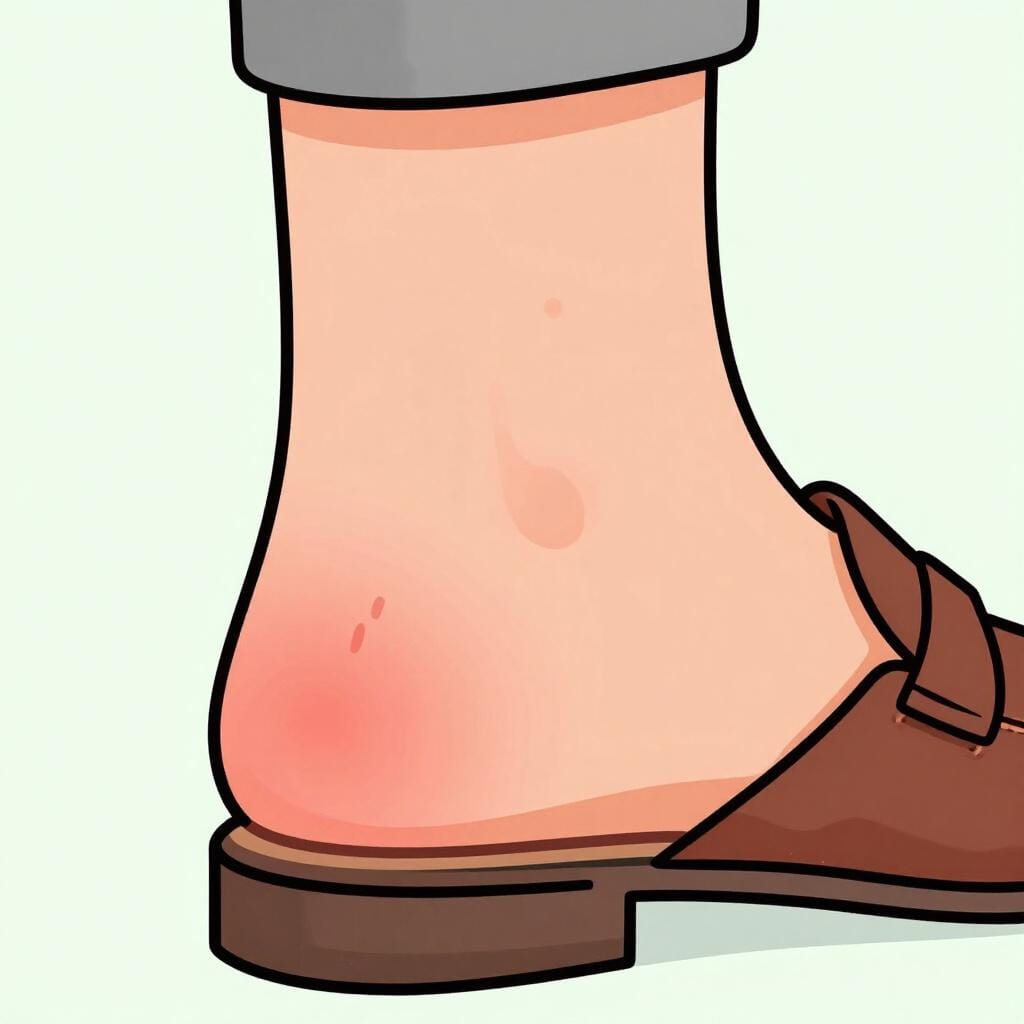
Estos zapatos me rozan en el talón.
These shoes chafe my heel.
La etiqueta de la camisa me está rozando.
The shirt tag is rubbing against me (irritating me).
Subject-Object Confusion
Mistake: “Saying 'Yo rozo los zapatos'.”
Correction: Say 'Los zapatos me rozan'. The shoes are the things doing the rubbing!
irritar
ee-ree-TARiriˈtaɾ
Examples
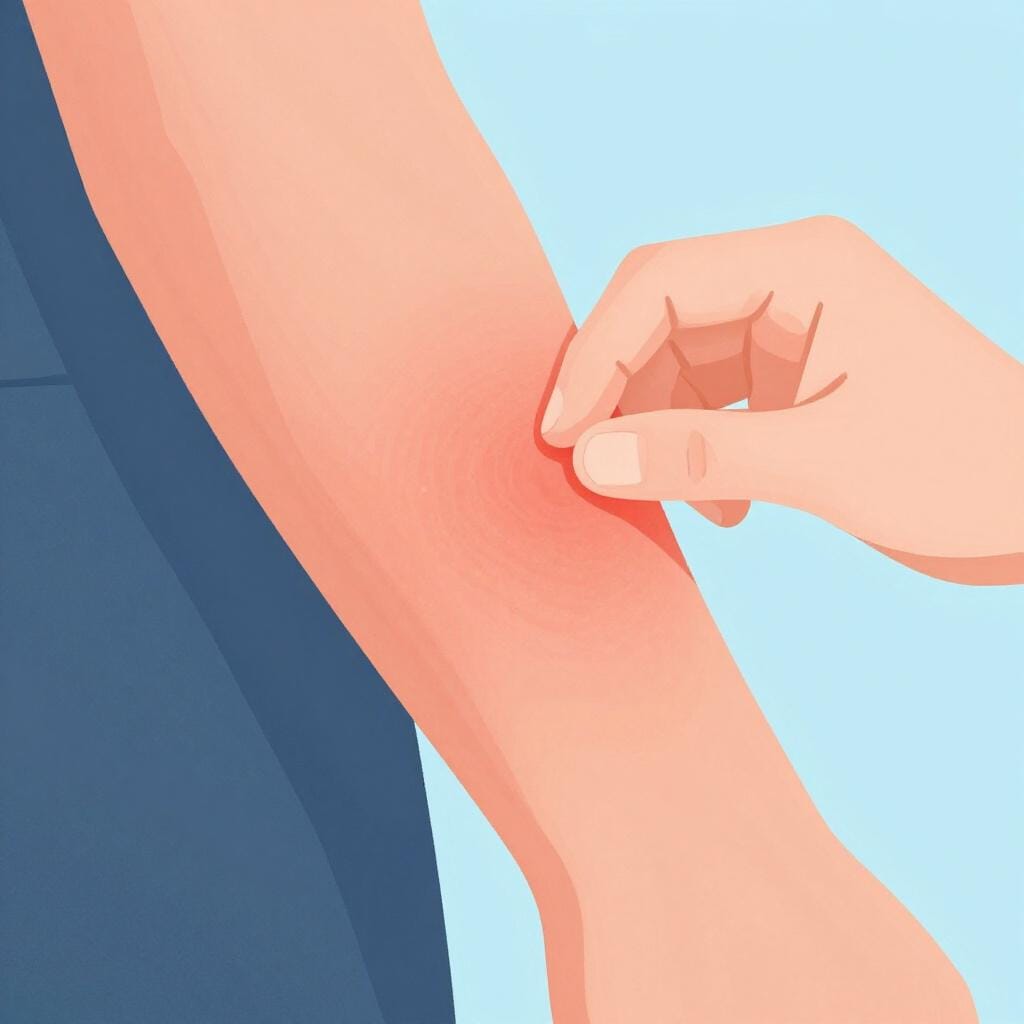
El cloro de la piscina me irrita los ojos.
The chlorine in the pool irritates my eyes.
Esta crema puede irritar la piel sensible.
This cream can irritate sensitive skin.
Si te rascas mucho, te vas a irritar la herida.
If you scratch a lot, you're going to inflame the wound.
Body Parts
In Spanish, we don't say 'my eyes' with this verb. Instead, we say 'me irrita los ojos' (it irritates to-me the eyes).
Confusion with 'picar'
Mistake: “Using 'irritar' for an itch.”
Correction: If your skin is itchy, use 'picar'. If it's red, sore, or inflamed, use 'irritar'.
Friction vs. General Irritation
Related Translations
Learn Spanish with Inklingo
Interactive stories, personalized learning, and more.