rozar
“rozar” means “to graze” in Spanish. It has 3 different meanings depending on context:


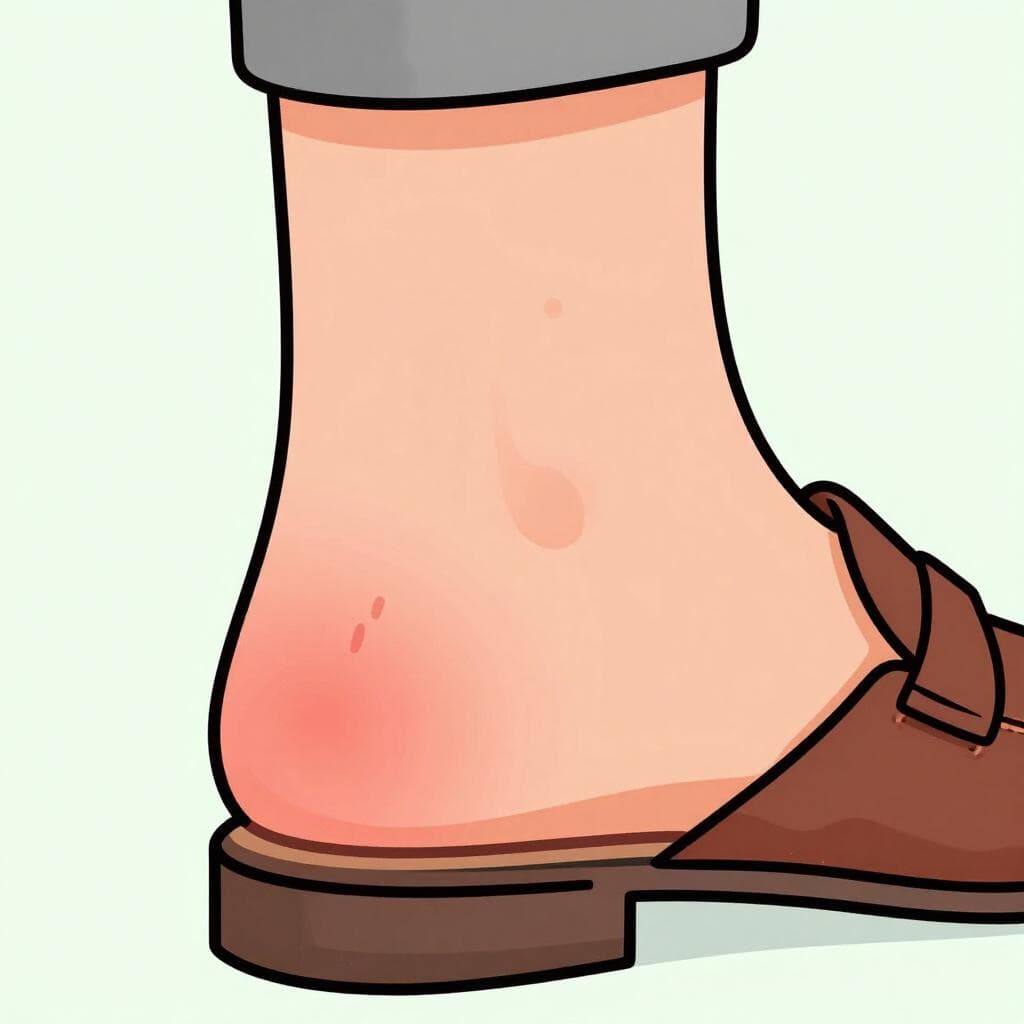
to grazeAlso: to brush against, to rub

📝 In Action
La bala le rozó el brazo.
A2The bullet grazed his arm.
Siento que algo me rozó la pierna en el agua.
B1I feel like something brushed against my leg in the water.
Ten cuidado de no rozar el coche contra la pared.
B1Be careful not to rub the car against the wall.
Word Connections
to verge onAlso: to border on

📝 In Action
Su comportamiento rozaba la locura.
B2His behavior verged on madness.
Ese comentario roza el ridículo.
C1That comment borders on being ridiculous.
Su actuación rozó la perfección.
B2Her performance was close to perfection.
Word Connections
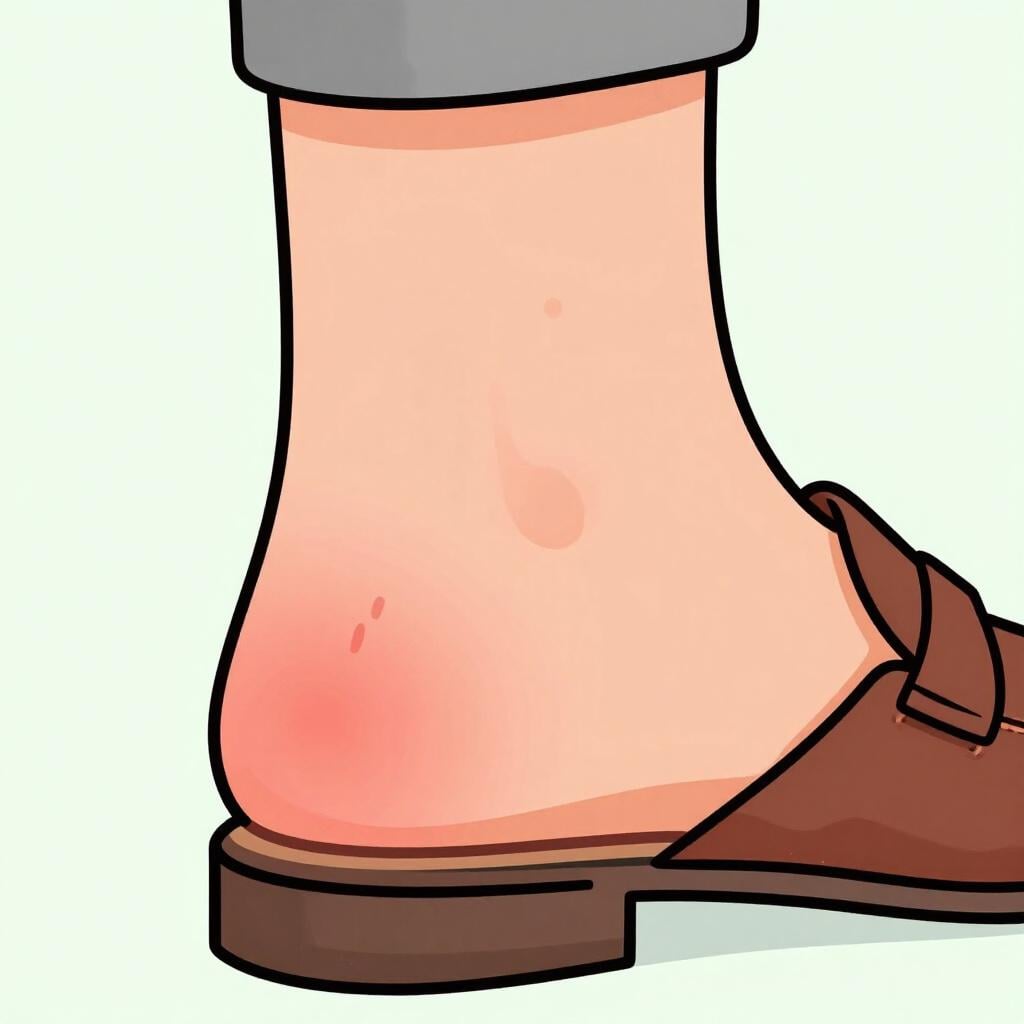
to chafeAlso: to rub the wrong way
📝 In Action
Estos zapatos me rozan en el talón.
B1These shoes chafe my heel.
La etiqueta de la camisa me está rozando.
A2The shirt tag is rubbing against me (irritating me).
Subjunctive
Imperfect Subjunctive
Present Subjunctive
Indicative
Preterite
Imperfect
Present
✏️ Quick Practice
Quick Quiz: rozar
Question 1 of 3
How do you say 'I grazed' in the past tense?
📚 More Resources
👥 Word Family
📚 Etymology
From Vulgar Latin 'rosare', likely related to 'rodere', which means 'to gnaw' or 'to wear away'.
First recorded: 13th century
Cognates (Related words)
💡 Master Spanish
Take your Spanish to the next level. Read 200+ illustrated and narrated Spanish stories tailored to your level with the Inklingo app!
Frequently Asked Questions
Is 'rozar' the same as 'tocar'?
No. 'Tocar' is any kind of touch, while 'rozar' specifically implies a very light, passing, or sliding touch.
Why does the spelling change in 'rocé'?
Spanish spelling rules avoid 'ze'. To keep the soft sound before an 'e', we swap 'z' for 'c'.
Can 'rozar' be used for people?
Yes, if you accidentally brush against someone in a crowd, you can say 'te rocé sin querer'.