cruzar
“cruzar” means “to cross” in Spanish. It has 3 different meanings depending on context:
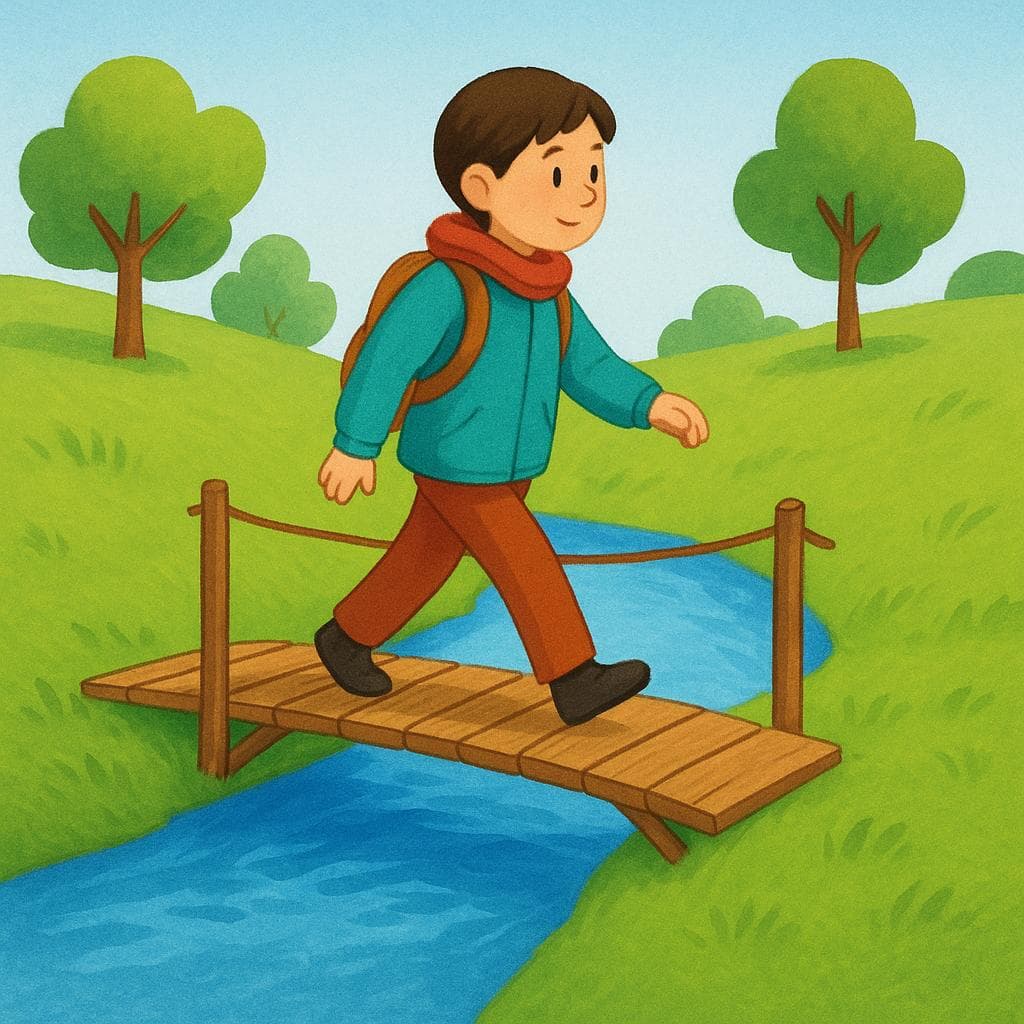

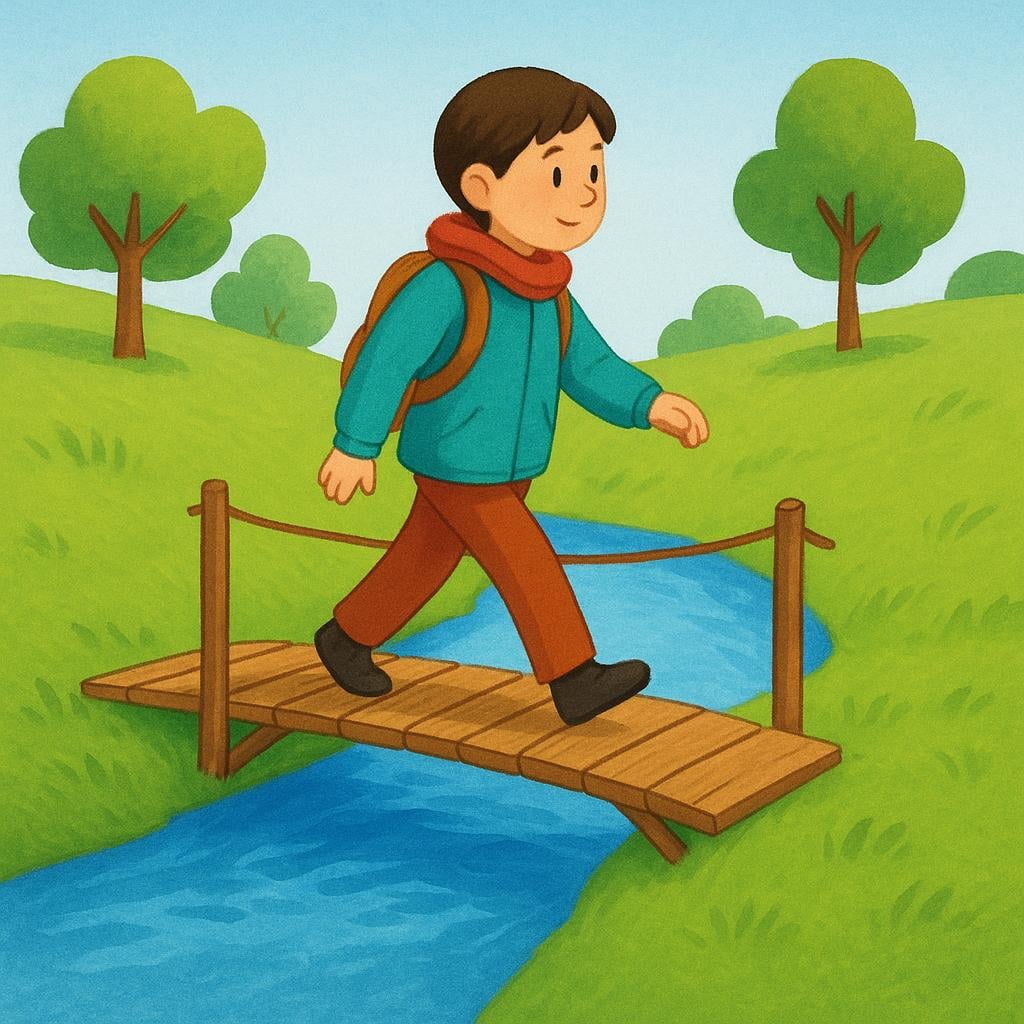
to cross, to traverseAlso: to go over
📝 In Action
Tienes que cruzar la calle para llegar a la tienda.
A1You have to cross the street to get to the store.
El equipo logró cruzar la meta en primer lugar.
A2The team managed to cross the finish line in first place.
Vamos a cruzar el puente porque es más rápido.
A1We are going to cross the bridge because it is faster.
Word Connections
to crossAlso: to fold, to intersect

📝 In Action
Ella cruza los brazos cuando está molesta.
B1She crosses her arms when she is annoyed.
Las dos líneas cruzan exactamente en el centro.
B2The two lines cross exactly in the center.
No cruces las piernas si llevas falda.
B1Don't cross your legs if you are wearing a skirt.
Word Connections
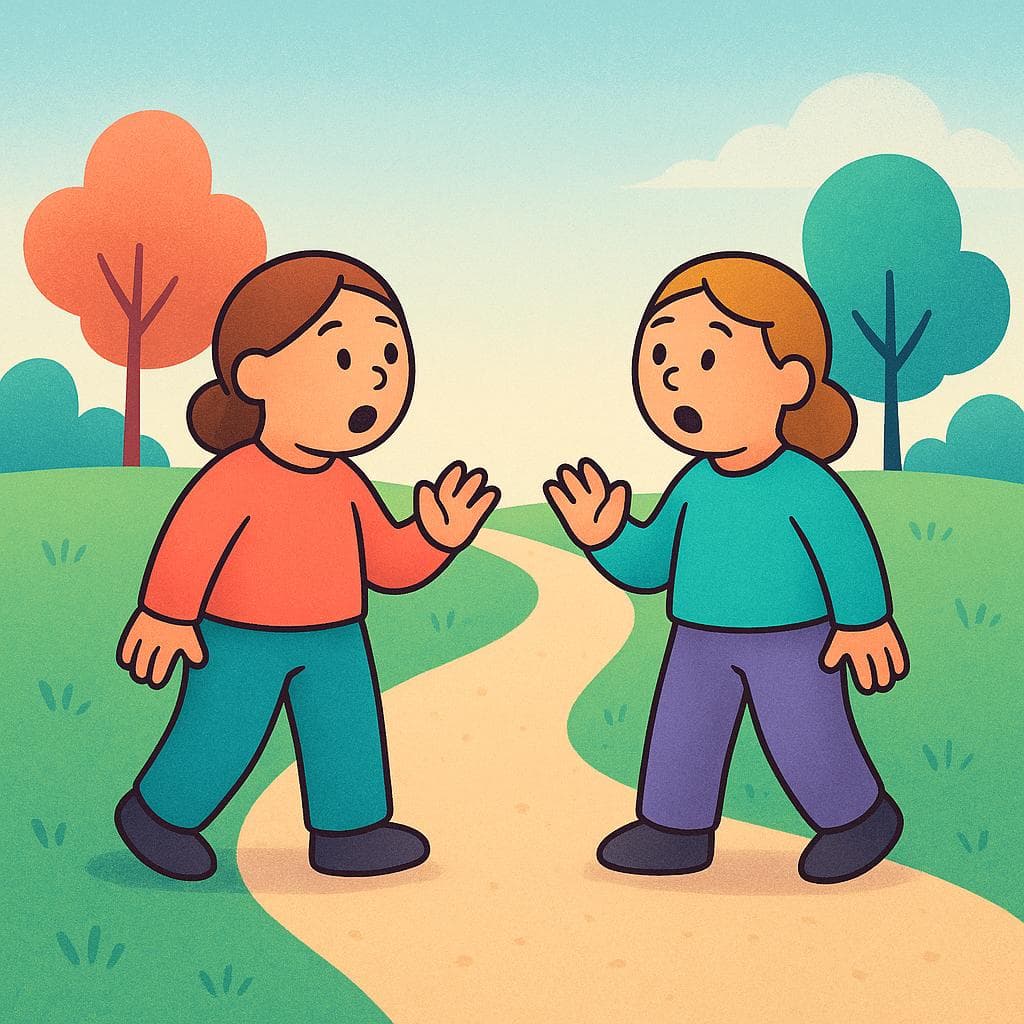
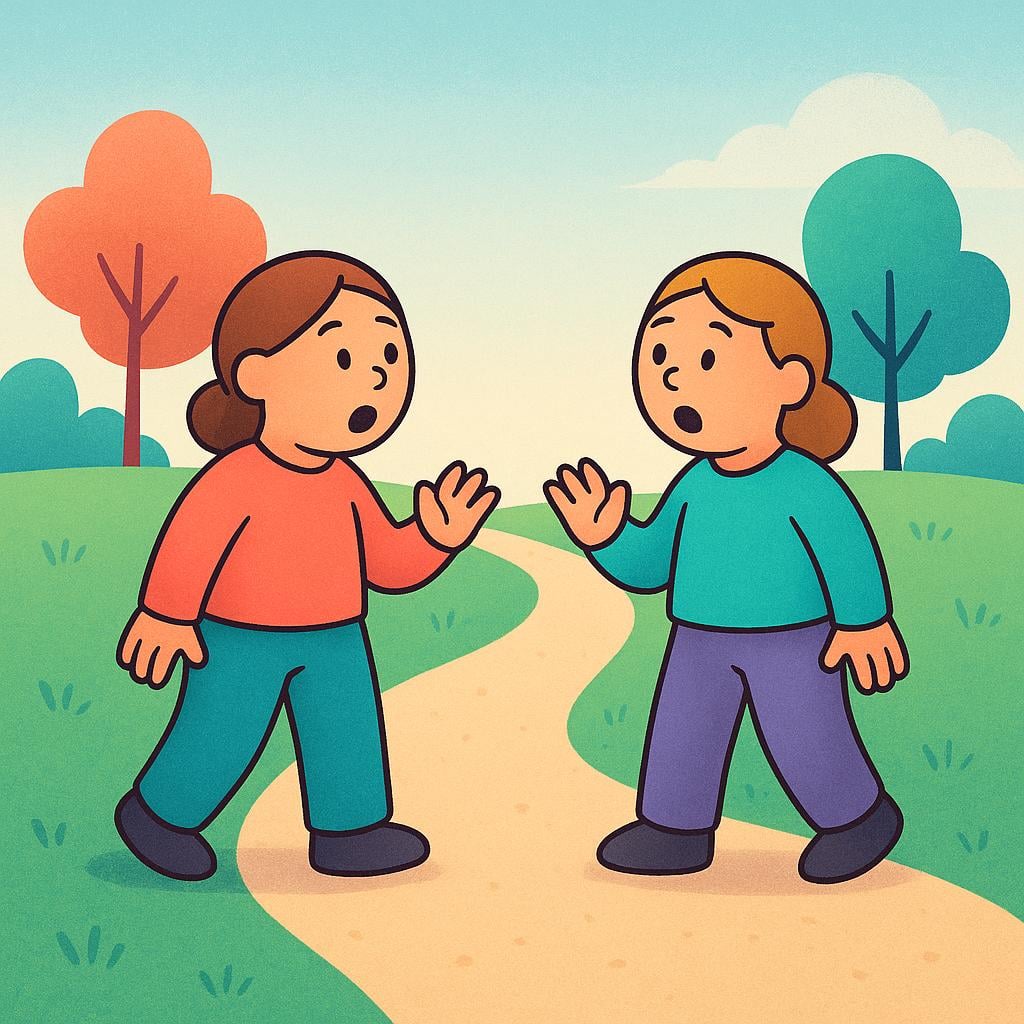
to cross paths, to bump intoAlso: to intersect
📝 In Action
Siempre nos cruzamos en el supermercado.
B2We always run into each other at the supermarket.
Si nuestros caminos se cruzan, tendremos problemas.
C1If our paths cross, we will have trouble.
Me crucé con mi antiguo jefe en el ascensor.
B2I bumped into my old boss in the elevator.
Word Connections
Indicative
Present
Imperfect
Preterite
Subjunctive
Present Subjunctive
Imperfect Subjunctive
Translate to Spanish
Words that translate to "cruzar" in Spanish:
🗣️ Practice in a Tongue Twister
✏️ Quick Practice
Quick Quiz: cruzar
Question 1 of 2
Which sentence uses 'cruzar' in the sense of 'to meet someone unexpectedly'?
📚 More Resources
👥 Word Family
📚 Etymology
Comes from the Late Latin word *cruciāre*, which originally meant 'to mark with the sign of the cross' or 'to crucify.' This evolved in Spanish to mean simply 'to move across' or 'to place things in the shape of a cross.'
First recorded: 13th century
Cognates (Related words)
💡 Master Spanish
Take your Spanish to the next level. Read 200+ illustrated and narrated Spanish stories tailored to your level with the Inklingo app!
Frequently Asked Questions
How is 'cruzar' different from 'atravesar'?
Both mean 'to cross.' 'Cruzar' usually means going from one side to the other, like crossing a street or a river. 'Atravesar' often implies going *through* something or covering a larger, more difficult distance, like traversing a mountain range or going through a dense forest.
When should I use 'cruzar' and when should I use 'cruzarse'?
Use 'cruzar' (non-reflexive) when you are actively moving yourself or an object across a space ('Cruzo la calle'). Use 'cruzarse' (reflexive) when paths meet, either literally (two roads intersecting) or figuratively (running into a person by chance: 'Me crucé con ella').