alejar
“alejar” means “to move away” in Spanish (physical distance - making something go further).
to move away, to keep away, to distance
Also: to push away, to send away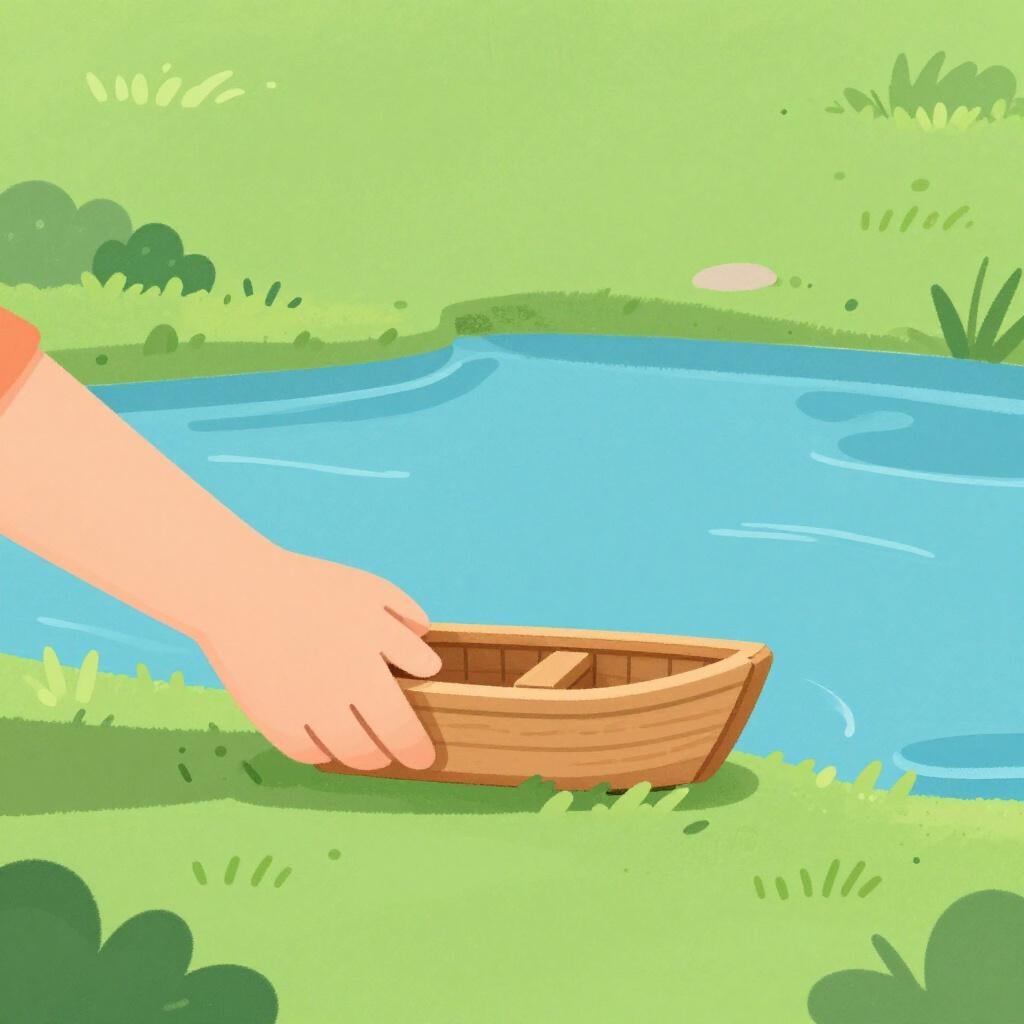
📝 In Action
Aleja la silla de la ventana.
A2Move the chair away from the window.
El ruido aleja a los clientes.
B1The noise keeps customers away.
Prefiero alejarme de los problemas.
B1I prefer to stay away from problems.
No alejes a tus amigos con tu actitud.
B2Don't push your friends away with your attitude.
Indicative
Present
Imperfect
Preterite
Subjunctive
Present Subjunctive
Imperfect Subjunctive
Translate to Spanish
Words that translate to "alejar" in Spanish:
to distance→✏️ Quick Practice
Quick Quiz: alejar
Question 1 of 3
Which sentence correctly uses 'alejar' to mean 'to move something away'?
📚 More Resources
👥 Word Family▼
📚 Etymology▼
From Latin 'exlongare,' made up of 'ex-' (out) and 'longus' (long, distant). Originally meant 'to make long' or 'to stretch out,' which evolved into 'to move away' in Spanish.
First recorded: 13th century
Cognates (Related words)
💡 Master Spanish
Take your Spanish to the next level. Read 200+ illustrated and narrated Spanish stories tailored to your level with the Inklingo app!
Frequently Asked Questions
What's the difference between 'alejar' and 'acercar'?
They mean opposite things! 'Alejar' means to move something away or keep it at a distance. 'Acercar' means to bring something closer. Think of them as distance twins: A-le-jar vs. A-cer-car.
When should I add '-se' to 'alejar'?
Add '-se' (making it 'alejarse') when YOU are the one moving away from something. For example: 'Me alejo de los problemas' (I move away from problems). When you move something ELSE away, don't add '-se': 'Alejo los problemas' (I push problems away).
Is 'alejar' a common verb in Spanish?
Yes! It's quite common, especially in the reflexive form 'alejarse.' You'll hear it in everyday conversations about relationships, emotions, and physical distances. It's A2 level, so you'll start seeing it early in your learning journey.
Can 'alejar' be used for emotional distance too?
Absolutely! While it can mean physical distance ('Aleja la silla'), it's very commonly used for emotional or mental distance: 'No te alejes de mí' (Don't distance yourself from me) or 'Quiere alejar los recuerdos tristes' (She wants to push away sad memories).