separar
“separar” means “to separate” in Spanish. It has 2 different meanings depending on context:


to separate, to divide
Also: to sort, to pull apart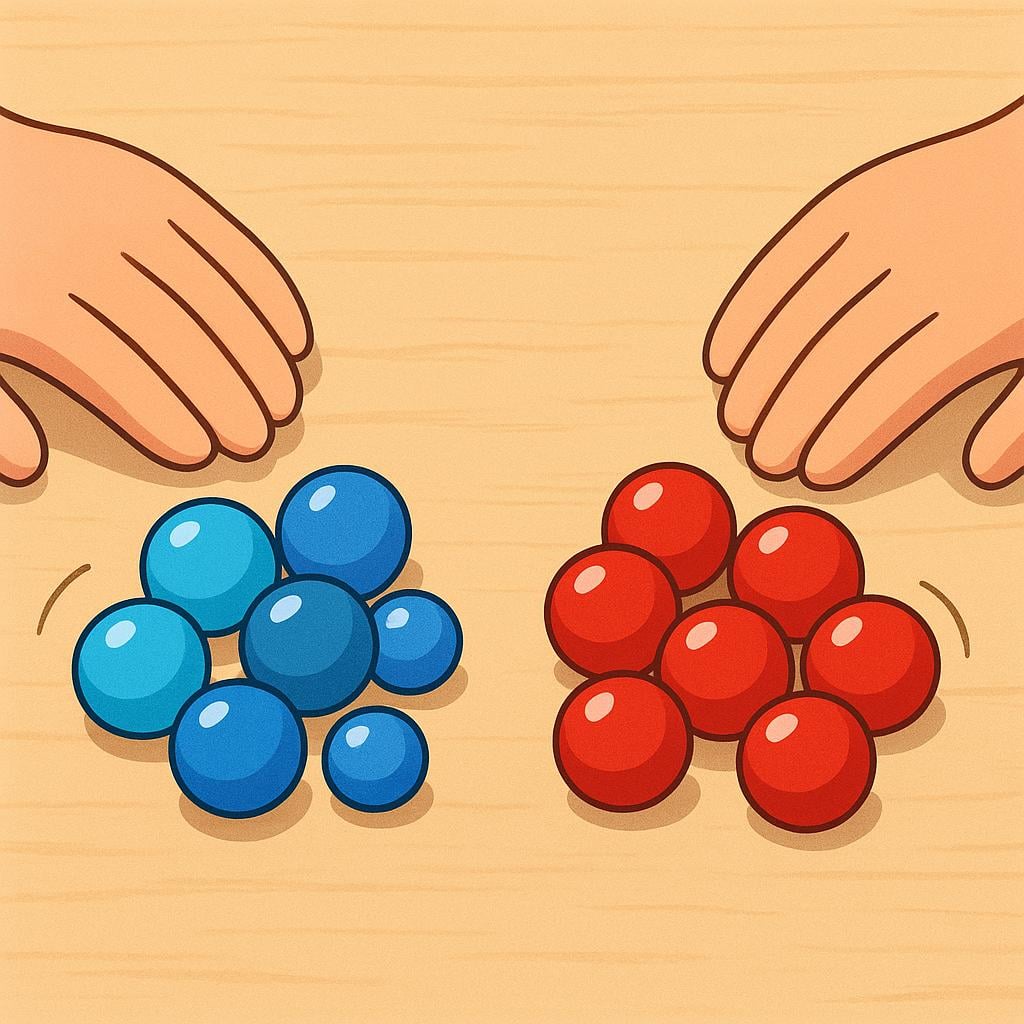
📝 In Action
Tienes que separar la ropa blanca de la de color.
A1You have to separate the white clothes from the colored ones.
Estamos separando la basura para reciclar.
A2We are sorting the trash to recycle.
El profesor separó a los dos alumnos que estaban hablando.
A2The teacher separated the two students who were talking.
to set aside, to reserve

📝 In Action
He separado cien euros para el regalo de mi madre.
B1I've set aside one hundred euros for my mother's gift.
El camarero nos separó una mesa junto a la ventana.
B2The waiter reserved a table for us by the window.
Subjunctive
Present Subjunctive
Imperfect Subjunctive
Indicative
Preterite
Imperfect
Present
Translate to Spanish
✏️ Quick Practice
Quick Quiz: separar
Question 1 of 1
How would you say 'I am setting aside money for the trip'?
📚 More Resources
👥 Word Family▼
📚 Etymology▼
From the Latin verb 'separare', which combines 'se-' (meaning apart) and 'parare' (meaning to prepare or make ready).
First recorded: 13th century
Cognates (Related words)
💡 Master Spanish
Take your Spanish to the next level. Read 200+ illustrated and narrated Spanish stories tailored to your level with the Inklingo app!
Frequently Asked Questions
Is 'separar' used for romantic breakups?
Yes, but usually in the reflexive form 'separarse'. For example, 'Ellos se separaron' means 'They separated/broke up'.
What's the difference between 'separar' and 'dividir'?
They are often interchangeable, but 'separar' implies moving things away from each other, while 'dividir' emphasizes breaking one thing into smaller parts (like math or cutting a cake).