separado
“separado” means “separated” in Spanish. It has 3 different meanings depending on context:



separated, apartAlso: divorced

📝 In Action
Mis padres están separados, pero se llevan bien.
A2My parents are separated, but they get along well.
Las mesas estaban separadas por una cortina.
B1The tables were separated by a curtain.
Necesitas un recibo separado para cada compra.
B1You need a separate receipt for each purchase.
Word Connections
separatedAlso: detached

📝 In Action
Hemos separado la basura orgánica de la inorgánica.
A2We have separated the organic trash from the inorganic.
El niño fue separado de sus padres en el tumulto.
B1The child was separated from his parents in the commotion.
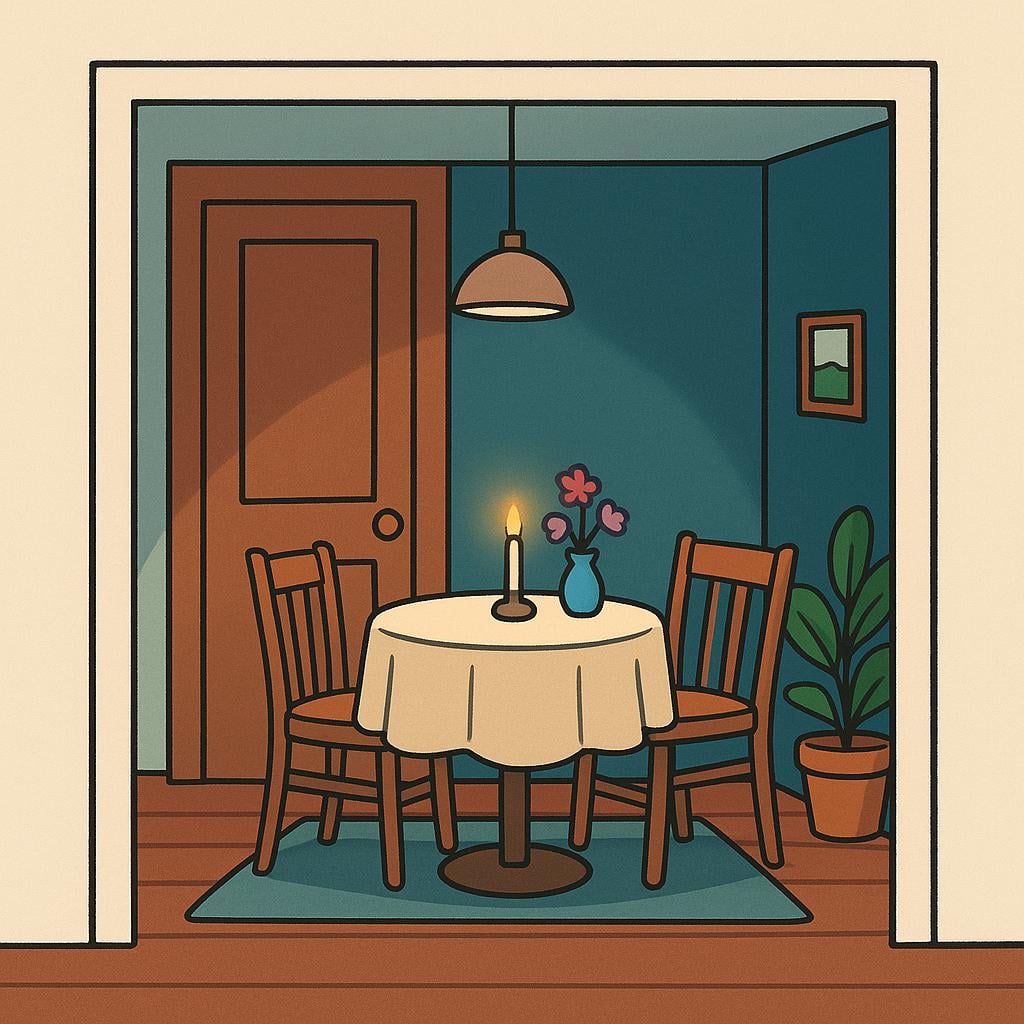
private roomAlso: separate section
📝 In Action
¿Tienen un separado disponible para diez personas?
B1Do you have a private room available for ten people?
Reservamos un pequeño separado para la cena de negocios.
B2We reserved a small private section for the business dinner.
Word Connections
Translate to Spanish
Words that translate to "separado" in Spanish:
✏️ Quick Practice
Quick Quiz: separado
Question 1 of 2
Which sentence uses 'separado' as an adjective describing a relationship status?
📚 More Resources
👥 Word Family
📚 Etymology
Comes directly from the Latin verb *separare*, meaning 'to pull apart' or 'to divide.' The Spanish word 'separado' is the perfect form of this action, describing something that has been pulled apart.
First recorded: 13th century (as part of the verb 'separar')
Cognates (Related words)
💡 Master Spanish
Take your Spanish to the next level. Read 200+ illustrated and narrated Spanish stories tailored to your level with the Inklingo app!
Frequently Asked Questions
What is the difference between 'separado' and 'divorciado'?
Both mean separated, but 'separado' usually means they are living apart but are still legally married. 'Divorciado' means the marriage has been officially dissolved by law.
Can I use 'separado' to describe two physical objects?
Absolutely! If two books are not touching, you can say 'Los libros están separados.' It just means they are not together or united.