reservado
“reservado” means “reserved” in Spanish. It has 2 different meanings depending on context:
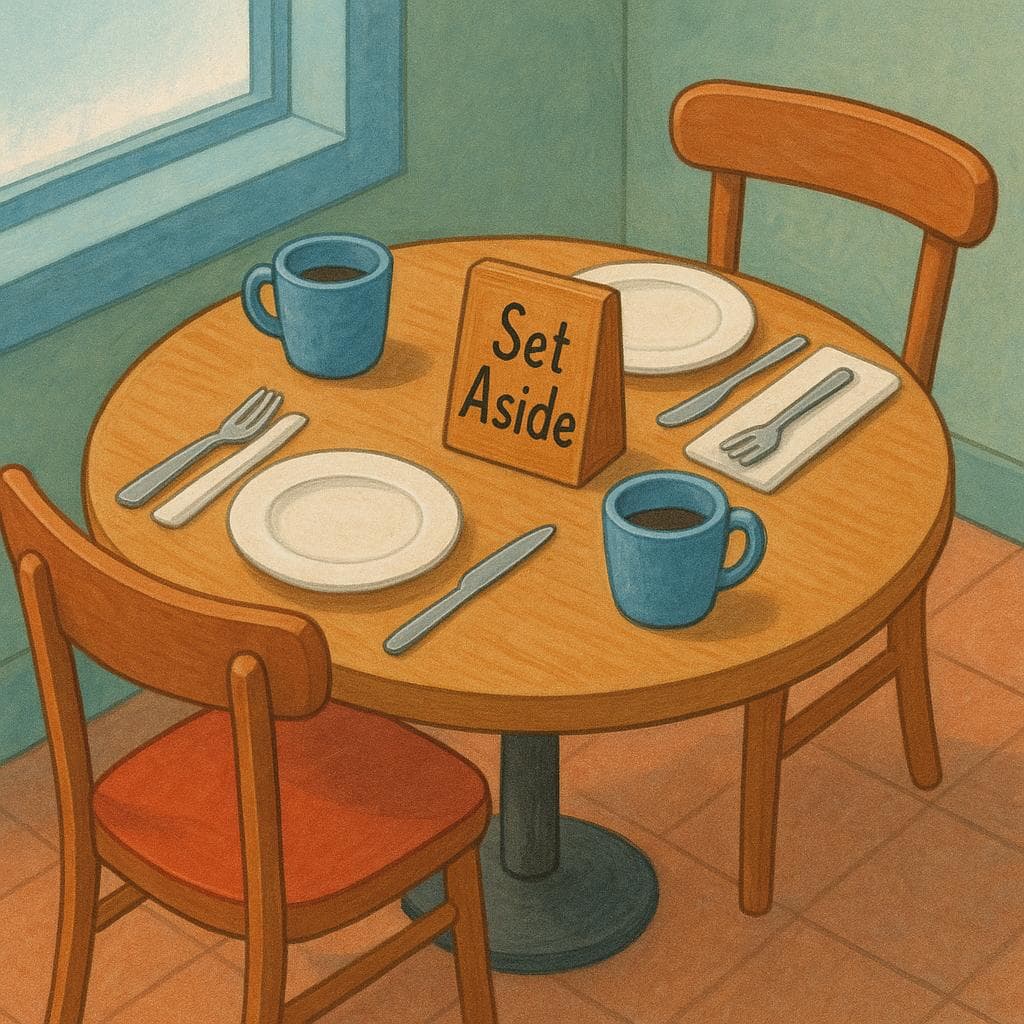

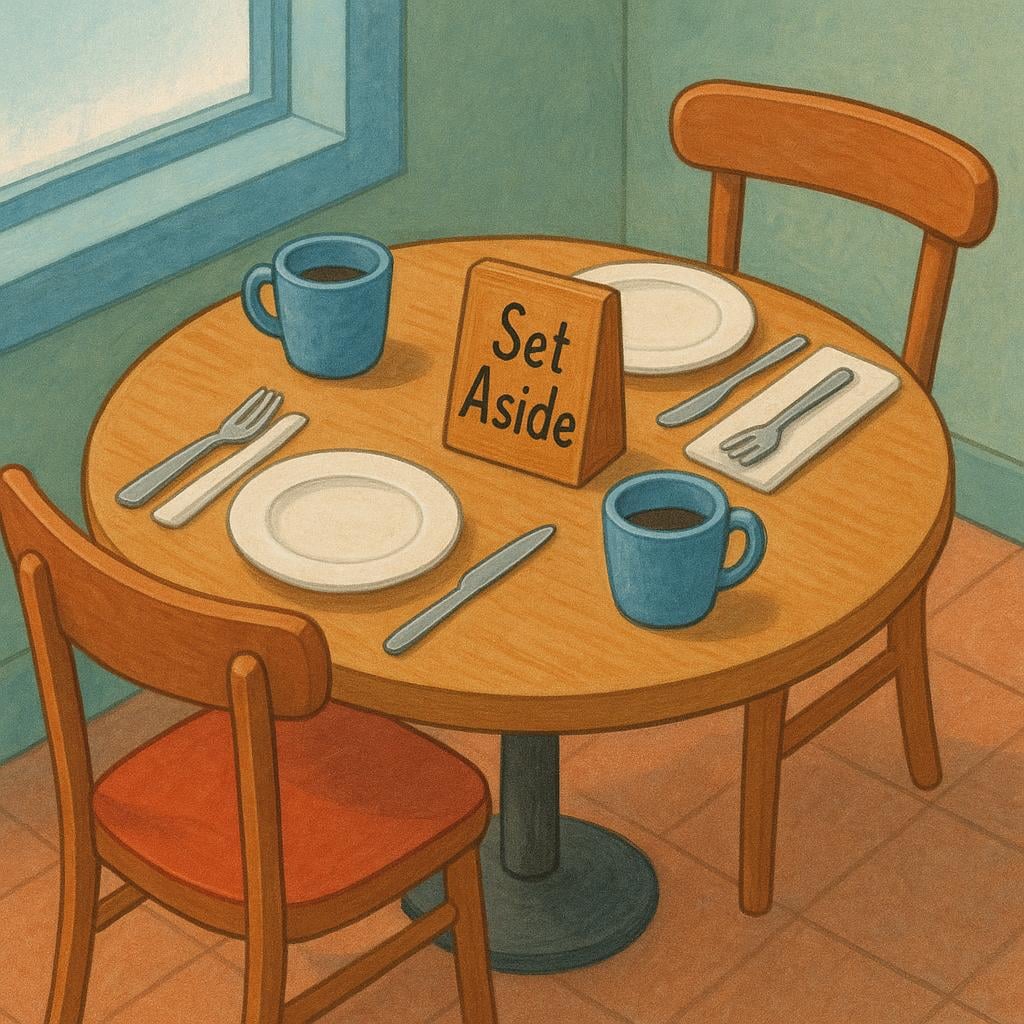
reserved, bookedAlso: set aside
📝 In Action
Esta mesa ya está reservada, ¿tienen otra libre?
A1This table is already reserved, do you have another one free?
Tenemos un cuarto reservado para usted en el hotel.
A2We have a room booked for you at the hotel.
El asiento reservado es el número 12B.
A1The reserved seat is number 12B.
Word Connections
reserved, privateAlso: quiet

📝 In Action
Al principio, el nuevo jefe parecía muy reservado, pero luego se abrió.
B2At first, the new boss seemed very reserved (private), but then he opened up.
Prefiero ser reservada con mis planes hasta que estén listos.
C1I prefer to be private about my plans until they are ready.
Word Connections
Translate to Spanish
✏️ Quick Practice
Quick Quiz: reservado
Question 1 of 2
Which sentence uses 'reservado' to describe a personality trait?
📚 More Resources
👥 Word Family
📚 Etymology
Comes directly from the verb *reservar* (to reserve), which itself comes from the Latin verb *reservare*, meaning 'to keep back' or 'to save up'. The idea of keeping something back applies both to physical items (a table) and to one's feelings (a personality trait).
First recorded: 13th century (in Spanish)
Cognates (Related words)
💡 Master Spanish
Take your Spanish to the next level. Read 200+ illustrated and narrated Spanish stories tailored to your level with the Inklingo app!
Frequently Asked Questions
Does 'reservado' mean the same as 'tímido' (shy)?
'Reservado' is similar to 'tímido' but slightly different. 'Tímido' means being afraid or anxious in social situations. 'Reservado' means choosing to keep your thoughts and feelings private, even if you aren't afraid of people.
How do I know if I should use 'reservado' or 'reservada'?
You must check the gender of the noun you are describing. If you are talking about 'el cuarto' (masculine), use 'reservado'. If you are talking about 'la habitación' (feminine), use 'reservada'.