retirar
“retirar” means “to remove” in Spanish. It has 3 different meanings depending on context:
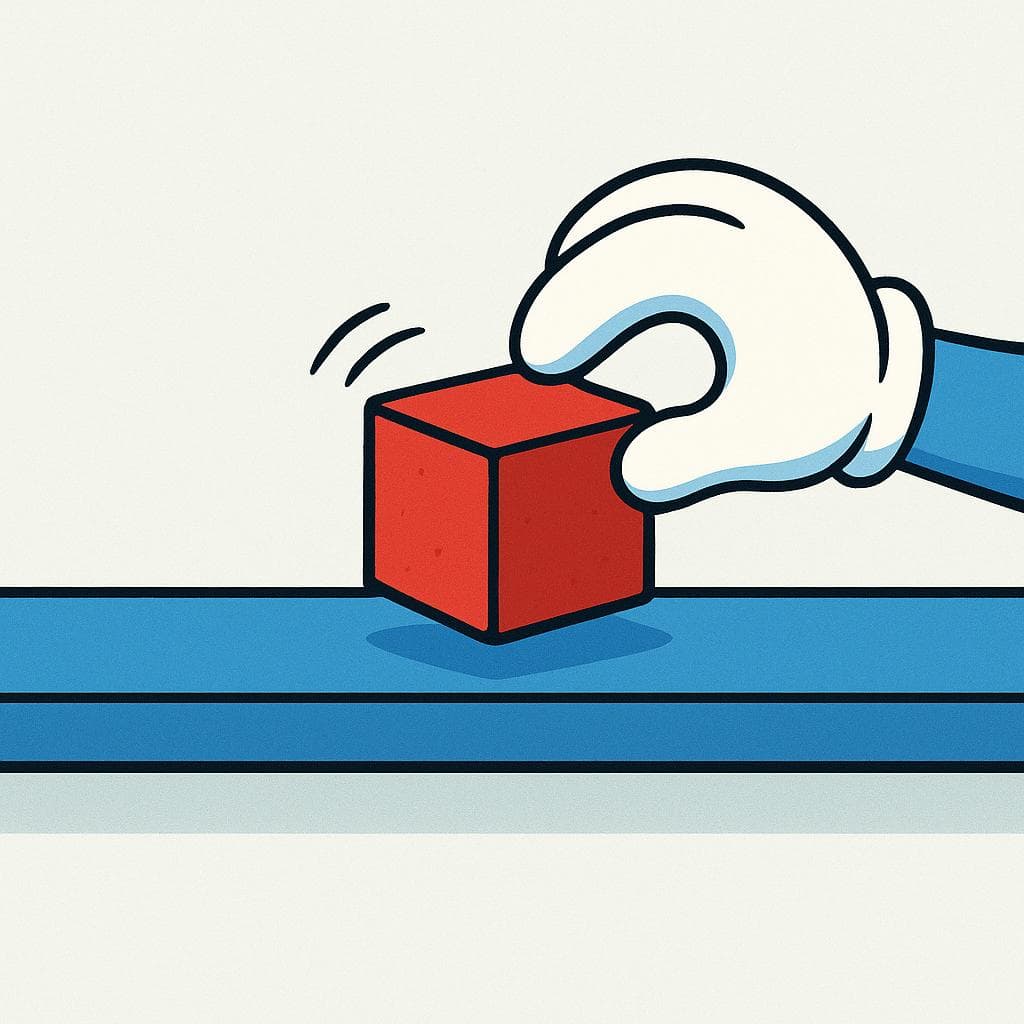

to remove, to take awayAlso: to pick up, to recall

📝 In Action
Por favor, retira los vasos sucios de la mesa.
A2Please, remove the dirty glasses from the table.
La tienda tuvo que retirar el producto defectuoso.
B1The store had to recall the defective product.
¿Puedes retirar mi paquete de la oficina de correos?
B1Can you pick up my package from the post office?
Word Connections
to withdrawAlso: to take out

📝 In Action
Fui al banco a retirar dinero para el viaje.
B1I went to the bank to withdraw money for the trip.
No puedo retirar más de 300 dólares por día.
B1I cannot withdraw more than 300 dollars per day.
Word Connections
to retire, to retreatAlso: to step down, to withdraw
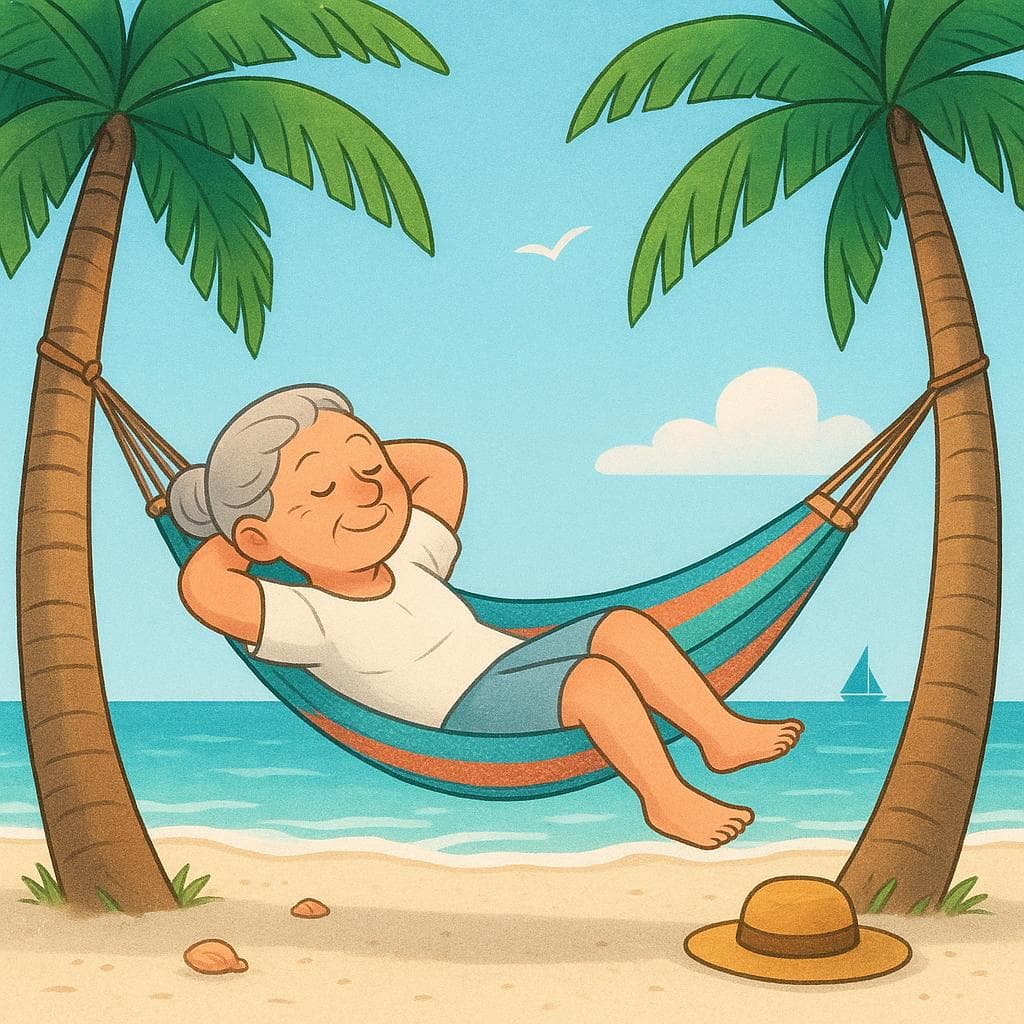
📝 In Action
El famoso tenista se retiró después de ganar el campeonato.
B2The famous tennis player retired after winning the championship. (Note the 'se')
El general ordenó a sus tropas retirarse a la base.
B2The general ordered his troops to retreat to the base.
Si te retiras de la carrera, no puedes volver a participar.
C1If you withdraw from the race, you cannot participate again.
Word Connections
Indicative
Present
Imperfect
Preterite
Subjunctive
Present Subjunctive
Imperfect Subjunctive
Translate to Spanish
Words that translate to "retirar" in Spanish:
✏️ Quick Practice
Quick Quiz: retirar
Question 1 of 2
Which sentence correctly uses 'retirar' to mean 'to retire' (end a career)?
📚 More Resources
👥 Word Family
📚 Etymology
The word comes from the Latin prefix *re-* (meaning 'back' or 'again') combined with the verb *tirare* (meaning 'to draw' or 'to pull'). The original meaning was literally 'to pull back' or 'to draw away.'
First recorded: 13th century
Cognates (Related words)
💡 Master Spanish
Take your Spanish to the next level. Read 200+ illustrated and narrated Spanish stories tailored to your level with the Inklingo app!
Frequently Asked Questions
What is the difference between 'retirar' and 'retirarse'?
'Retirar' (non-reflexive) means to remove something else (e.g., 'I remove the car'). 'Retirarse' (reflexive) means to remove yourself or pull yourself back, which is why it is used for personal actions like 'to retire from work' or 'to retreat from a place' ('I retire').
Can I use 'retirar' instead of 'sacar' for withdrawing money?
Yes, absolutely. 'Retirar' is a standard and slightly more formal way to say 'to withdraw money,' especially in Spain. 'Sacar' is also very common, particularly in Latin America.