Inklingo

quitar

/kee-TAHR/

remove

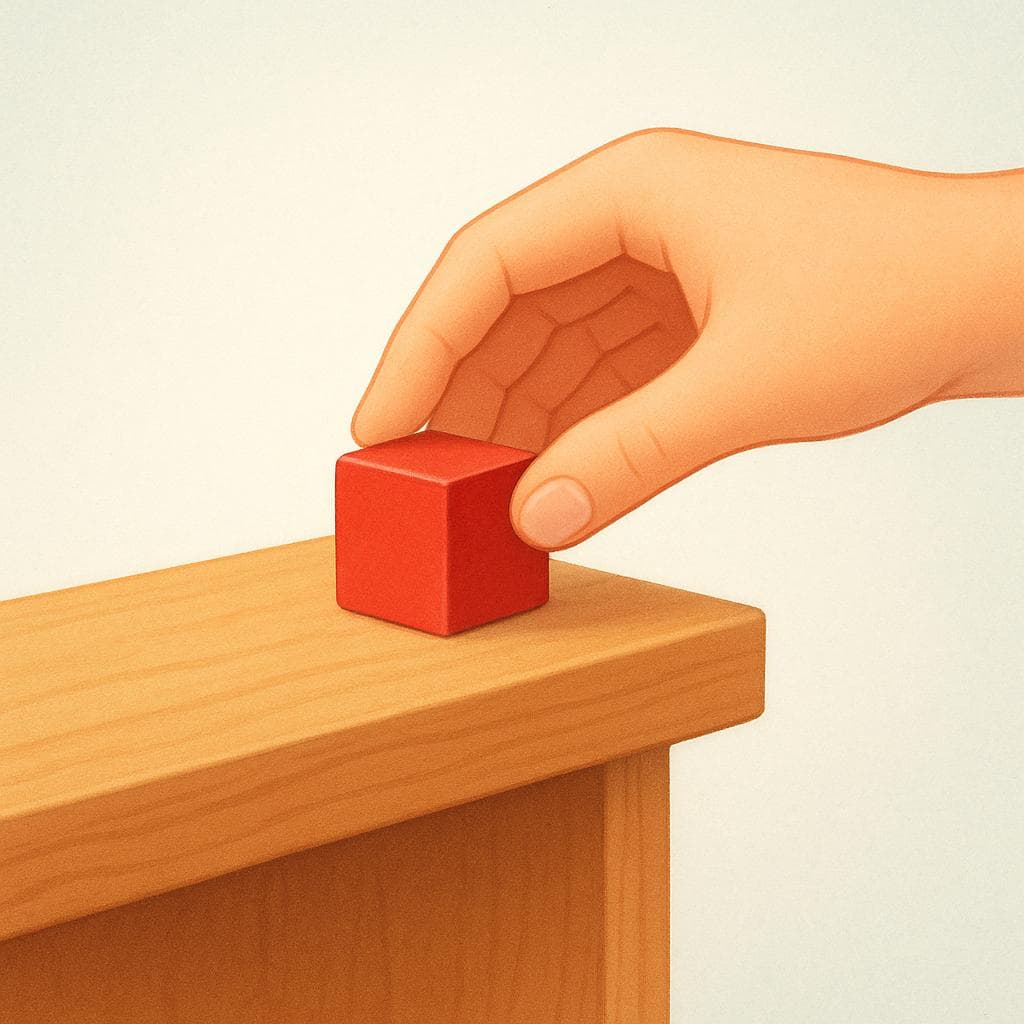
A human hand gently lifting a stack of colorful wooden blocks off a wooden shelf.

The action of removing an object from a surface illustrates the meaning of 'quitar' as 'remove'.

quitar(verb)

A1regular ar

remove

?

to take something off a surface or out of a location

,

take off

?

to detach an object

Also:

clear

?

to empty a space

,

take out

?

to extract something

📝 In Action

Quita los libros de la mesa, por favor.

A1

Remove the books from the table, please.

¿Puedes quitar la tapa de esta botella?

A1

Can you take the lid off this bottle?

La pintura es difícil de quitar.

A2

The paint is difficult to remove.

Word Connections

Synonyms

Antonyms

Common Collocations

  • quitar el polvoto dust (remove dust)
  • quitar la basurato take out the trash

💡 Grammar Points

Direct Removal

Use 'quitar' when you are the one performing the action of removing an object from a place.

❌ Common Pitfalls

Confusing 'Quitar' and 'Sacar'

Mistake: "Using 'sacar' when referring to taking an item off a surface (e.g., *Saca los zapatos de la cama*)."

Correction: Use 'quitar' for removing something *from a surface* or *detaching* something. Use 'sacar' for removing something *from the inside* (like pulling a key out of a lock).

⭐ Usage Tips

Visualizing the Action

Think of 'quitar' as the opposite of 'poner' (to put). If you can put it on, you can 'quitar' it off.

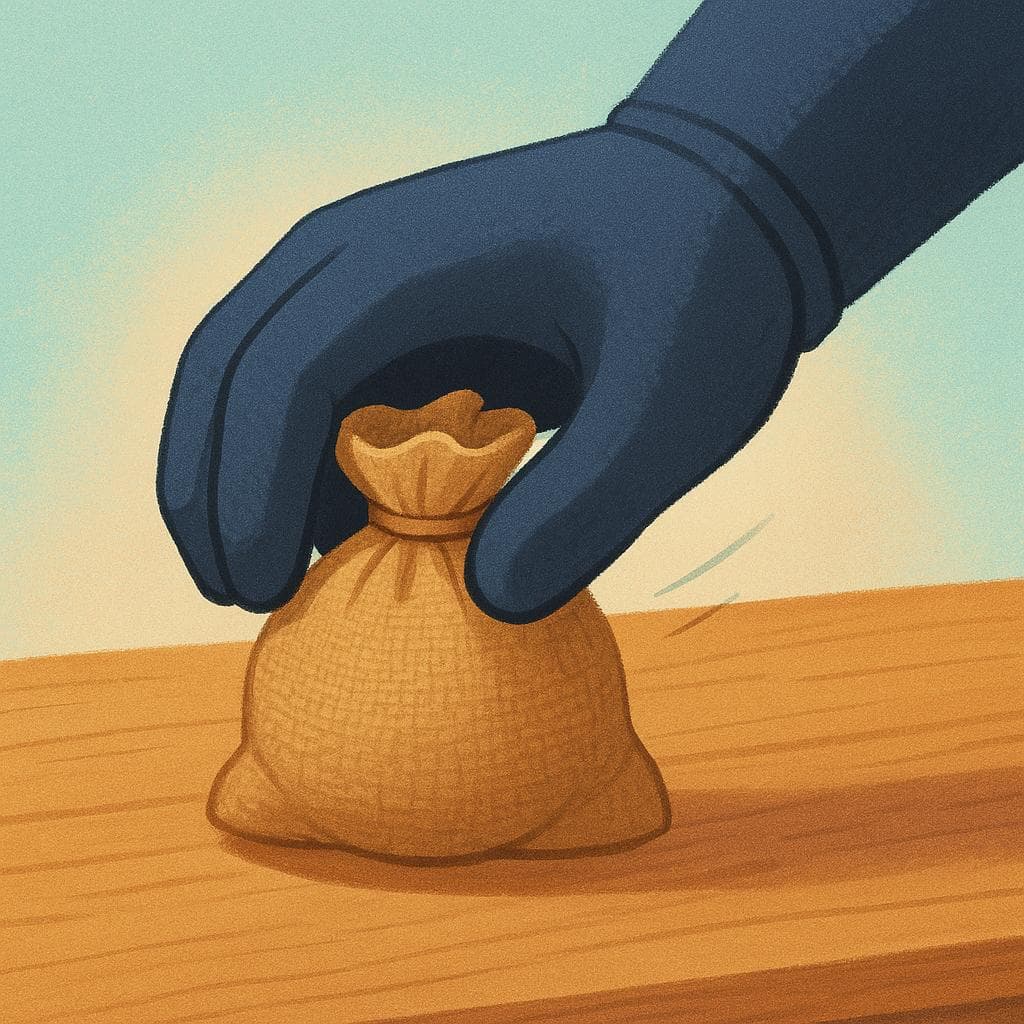
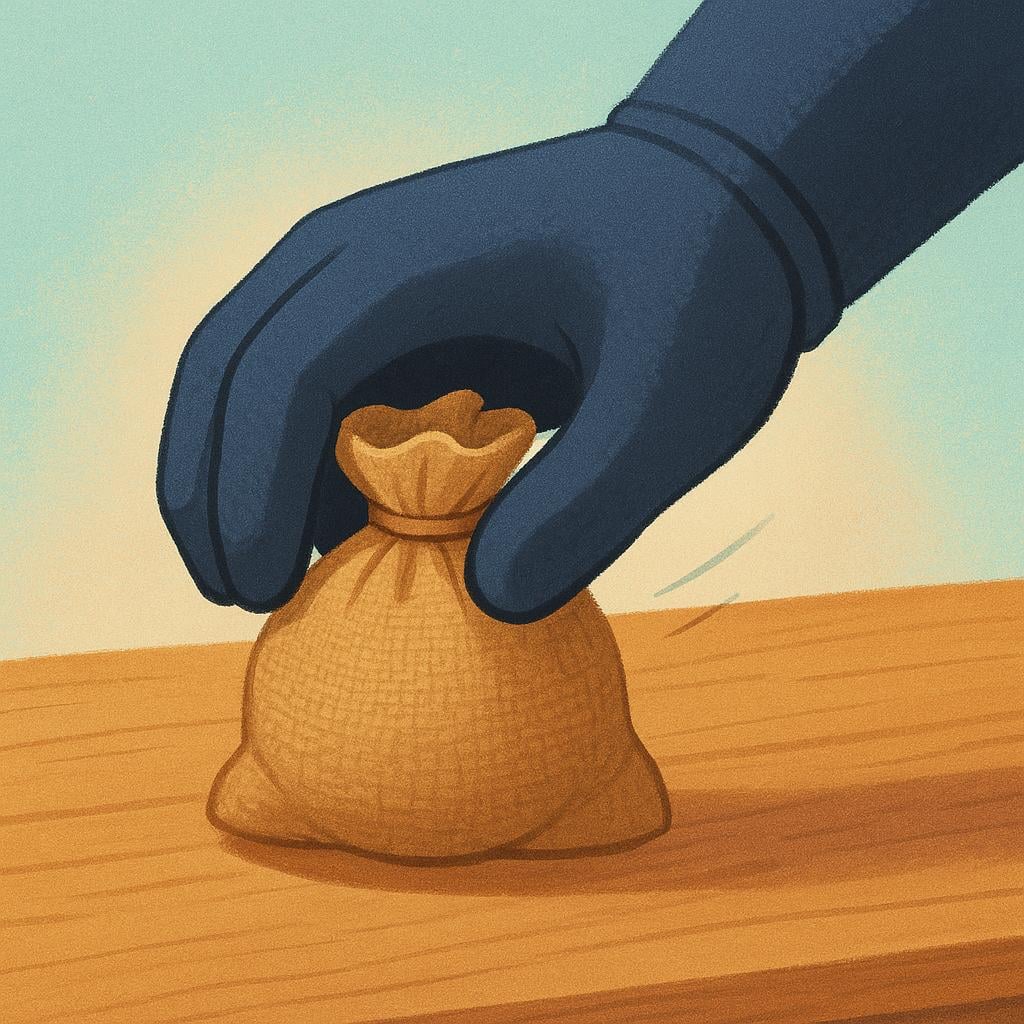
A large, authoritative hand reaching to take a small, tied sack (representing confiscated goods) from a wooden table.

When 'quitar' means 'take away', it implies seizing or confiscating something.

quitar(verb)

B1regular ar

take away

?

to seize or confiscate something

,

deprive (of)

?

to deny someone something important

Also:

steal

?

to take illegally (less common than 'robar')

📝 In Action

El gobierno le quitó la tierra al campesino.

B1

The government took the land away from the farmer.

Le quitaron el teléfono en el metro.

B1

They stole his phone on the subway.

Esta enfermedad le ha quitado la alegría de vivir.

C1

This illness has deprived him of the joy of living.

Word Connections

Synonyms

  • confiscar (to confiscate)
  • robar (to rob/steal)

Common Collocations

  • quitar la vidato take a life
  • quitar los derechosto take away rights

💡 Grammar Points

Using the 'Le'

When 'quitar' means 'to take something from someone,' you often need the indirect object pronoun ('le' or 'les') to indicate the person being deprived, as in: 'Le quitaron el dinero' (They took the money from him).

⭐ Usage Tips

Deprivation vs. Theft

Use 'quitar' when the removal is due to authority or circumstance. Use 'robar' specifically for the criminal act of robbing a person or place.

A person partially removing a bright blue sweater, actively pulling it over their head.

Used reflexively, 'quitar' means 'to take off' clothing or accessories.

quitar(verb (reflexive))

A2regular ar

to take off (clothing)

?

removing clothes or accessories from oneself

,

to get rid of

?

to eliminate something that bothers you (e.g., pain, habit)

Also:

to stop (a habit)

?

to quit doing something

📝 In Action

Me quité los zapatos al entrar en casa.

A2

I took off my shoes when entering the house.

Necesito quitarme el dolor de cabeza.

B1

I need to get rid of this headache.

Por fin se quitó la mala costumbre de fumar.

B2

She finally got rid of the bad habit of smoking.

Word Connections

Synonyms

  • deshacerse de (to get rid of)
  • dejar (to quit (a habit))

Antonyms

Common Collocations

  • quitarse de en medioto get out of the way
  • quitarse añosto look younger

💡 Grammar Points

The Reflexive Change

When you use the reflexive form 'quitarse' (like 'me quito,' 'te quitas'), the action of removing is being done to yourself (e.g., removing a coat from your own body).

Abstract Use

Use 'quitarse' when the thing being removed is abstract, like a feeling or a habit. You are actively removing the problem from your life.

❌ Common Pitfalls

Forgetting the Pronoun

Mistake: "Saying: *Yo quito el abrigo* (I remove the coat) when you mean: *I take off my coat*."

Correction: When taking off your own clothes, you must include the reflexive pronoun: *Yo me quito el abrigo*.

🔄 Conjugations

indicative

present

él/ella/ustedquita
yoquito
quitas
ellos/ellas/ustedesquitan
nosotrosquitamos
vosotrosquitáis

imperfect

él/ella/ustedquitaba
yoquitaba
quitabas
ellos/ellas/ustedesquitaban
nosotrosquitábamos
vosotrosquitabais

preterite

él/ella/ustedquitó
yoquité
quitaste
ellos/ellas/ustedesquitaron
nosotrosquitamos
vosotrosquitasteis

subjunctive

present

él/ella/ustedquite
yoquite
quites
ellos/ellas/ustedesquiten
nosotrosquitemos
vosotrosquitéis

imperfect

él/ella/ustedquitara
yoquitara
quitaras
ellos/ellas/ustedesquitaran
nosotrosquitáramos
vosotrosquitarais

✏️ Quick Practice

💡 Quick Quiz: quitar

Question 1 of 2

Which sentence uses 'quitar' in its reflexive sense (quitarse)?

📚 More Resources

Word Family

quita(a reduction/discount) - noun

Frequently Asked Questions

Is 'quitar' used for taking off clothing?

Yes, but you must use the reflexive form, 'quitarse.' For example, 'Me quito la chaqueta' means 'I take off my jacket,' because the action is done to yourself.

How is 'quitar' different from 'remover'?

'Quitar' is the most common verb for basic physical removal, like taking something off a table or taking off clothes. 'Remover' is less common and usually refers to stirring (like food) or relocating something.