How to Say "to irritate" in Spanish
The most common Spanish word for “to irritate” is “molestar” — use 'molestar' when you want to say someone or something is slightly annoying or bothering another person or animal, often in a way that might cause mild anger or disturbance.

Use 'molestar' when you want to say someone or something is slightly annoying or bothering another person or animal, often in a way that might cause mild anger or disturbance.
Learn more →
Use 'irritar' when something is causing a strong feeling of annoyance or provocation, or when referring to physical discomfort like a rash or eye irritation.
Learn more →moh-lehs-tahrmolesˈtaɾ

Examples
Por favor, no molestes al perro mientras come.
Please, don't bother the dog while it eats.
¿Le molesta si abro la ventana?
Does it bother you if I open the window?
Me molesta mucho el ruido de la calle.
The street noise annoys me a lot.
Using 'Molestar' like 'Gustar'
When talking about things that bother you, 'molestar' often works backwards, just like 'gustar' (to like). You use 'me', 'te', 'le', etc., followed by the verb. Example: 'Me molesta el calor' (The heat bothers me).
Using 'Molestar' for 'To be Bothered'
Mistake: “Estoy molestando (I am bothered).”
Correction: Estoy molesto/a (I am bothered/annoyed). 'Molestar' means 'to annoy,' so 'estoy molestando' means 'I am annoying (someone).'
ee-ree-TARiriˈtaɾ
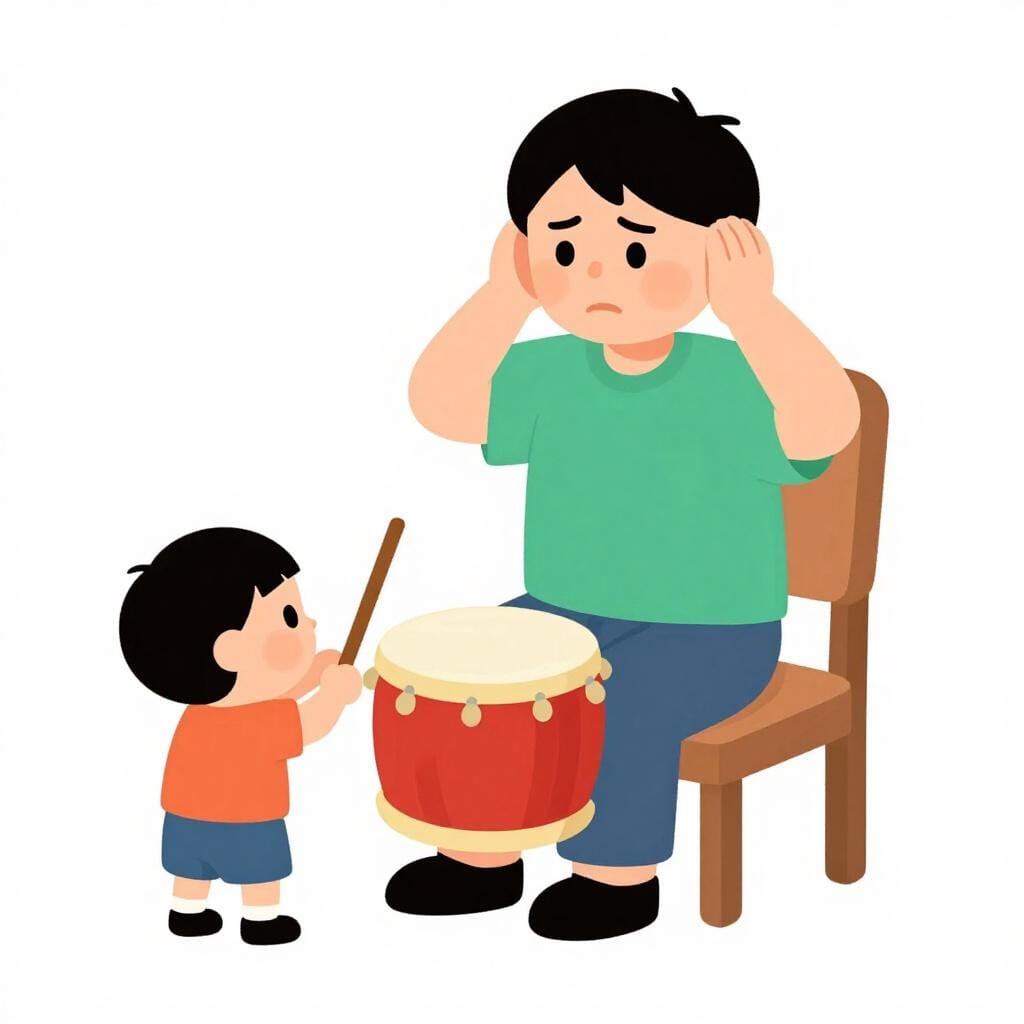
Examples
Ese ruido constante me irrita mucho.
That constant noise annoys me a lot.
No lo digas más, solo vas a irritar a tu padre.
Don't say it anymore; you're only going to make your father angry.
Me irrita que la gente llegue tarde.
It annoys me when people arrive late.
El cloro de la piscina me irrita los ojos.
The chlorine in the pool irritates my eyes.
Expressing Feelings
When you say something annoys you, use the structure 'Me irrita que...' followed by a special verb form (subjunctive). Example: 'Me irrita que grites' (It annoys me that you shout).
The 'Self' Form
Use 'irritarse' (adding 'se' at the end) when you want to say someone gets annoyed themselves. For example, 'Él se irrita fácilmente' means 'He gets annoyed easily.'
Body Parts
In Spanish, we don't say 'my eyes' with this verb. Instead, we say 'me irrita los ojos' (it irritates to-me the eyes).
Using 'Irritar' vs. 'Molestar'
Mistake: “Using 'irritar' for every small bother.”
Correction: 'Molestar' is for generic bothering; 'irritar' implies a stronger sense of frustration or a loss of patience.
Confusion with 'picar'
Mistake: “Using 'irritar' for an itch.”
Correction: If your skin is itchy, use 'picar'. If it's red, sore, or inflamed, use 'irritar'.
ee-ree-TARiriˈtaɾ
Examples
El cloro de la piscina me irrita los ojos.
The chlorine in the pool irritates my eyes.
Ese ruido constante me irrita mucho.
That constant noise annoys me a lot.
No lo digas más, solo vas a irritar a tu padre.
Don't say it anymore; you're only going to make your father angry.
Me irrita que la gente llegue tarde.
It annoys me when people arrive late.
Expressing Feelings
When you say something annoys you, use the structure 'Me irrita que...' followed by a special verb form (subjunctive). Example: 'Me irrita que grites' (It annoys me that you shout).
The 'Self' Form
Use 'irritarse' (adding 'se' at the end) when you want to say someone gets annoyed themselves. For example, 'Él se irrita fácilmente' means 'He gets annoyed easily.'
Body Parts
In Spanish, we don't say 'my eyes' with this verb. Instead, we say 'me irrita los ojos' (it irritates to-me the eyes).
Using 'Irritar' vs. 'Molestar'
Mistake: “Using 'irritar' for every small bother.”
Correction: 'Molestar' is for generic bothering; 'irritar' implies a stronger sense of frustration or a loss of patience.
Confusion with 'picar'
Mistake: “Using 'irritar' for an itch.”
Correction: If your skin is itchy, use 'picar'. If it's red, sore, or inflamed, use 'irritar'.
Annoyance vs. Physical Discomfort
Learners often confuse 'molestar' and 'irritar'. Remember that 'molestar' is generally for bothering someone or an animal, while 'irritar' can mean strong annoyance OR physical irritation to skin/eyes. Use 'molestar' for mild bothering and 'irritar' for stronger annoyance or physical issues.
Related Translations
Learn Spanish with Inklingo
Interactive stories, personalized learning, and more.