How to Say "to ache" in Spanish
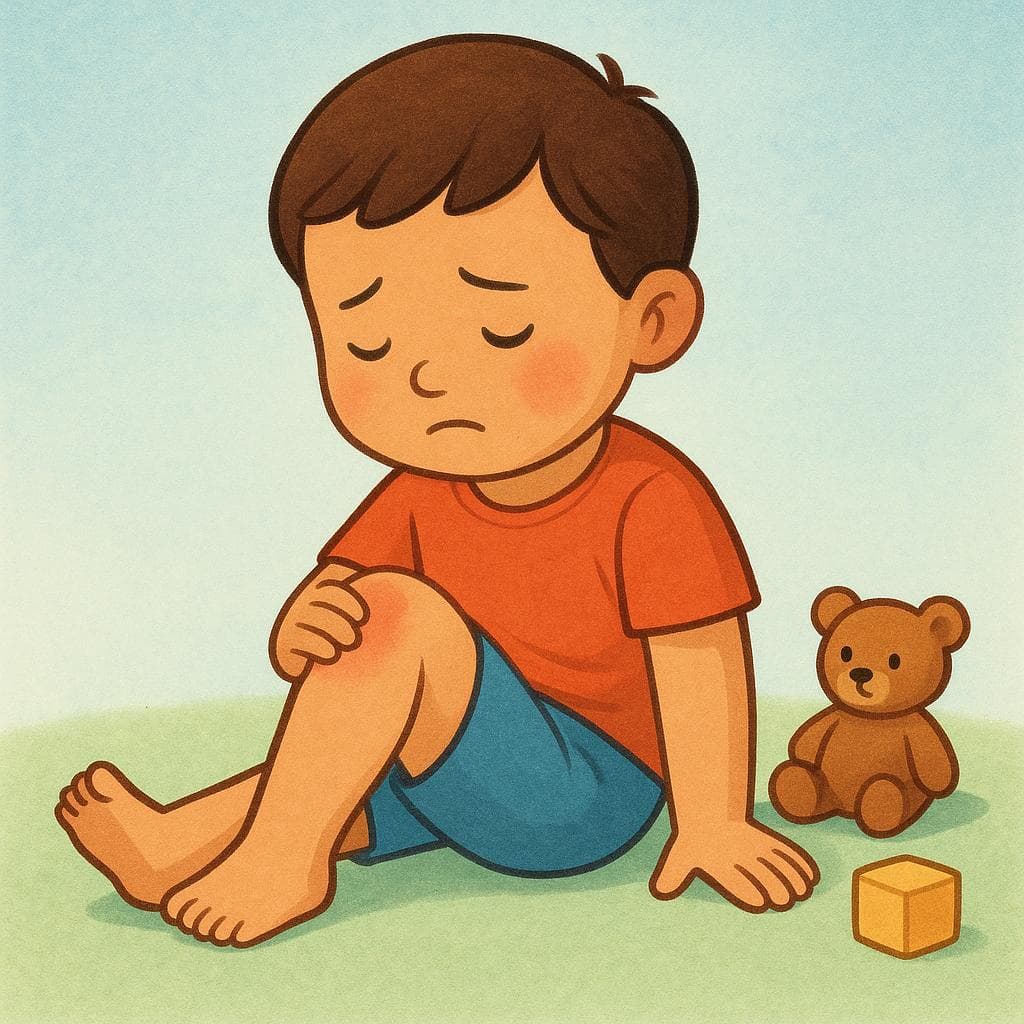
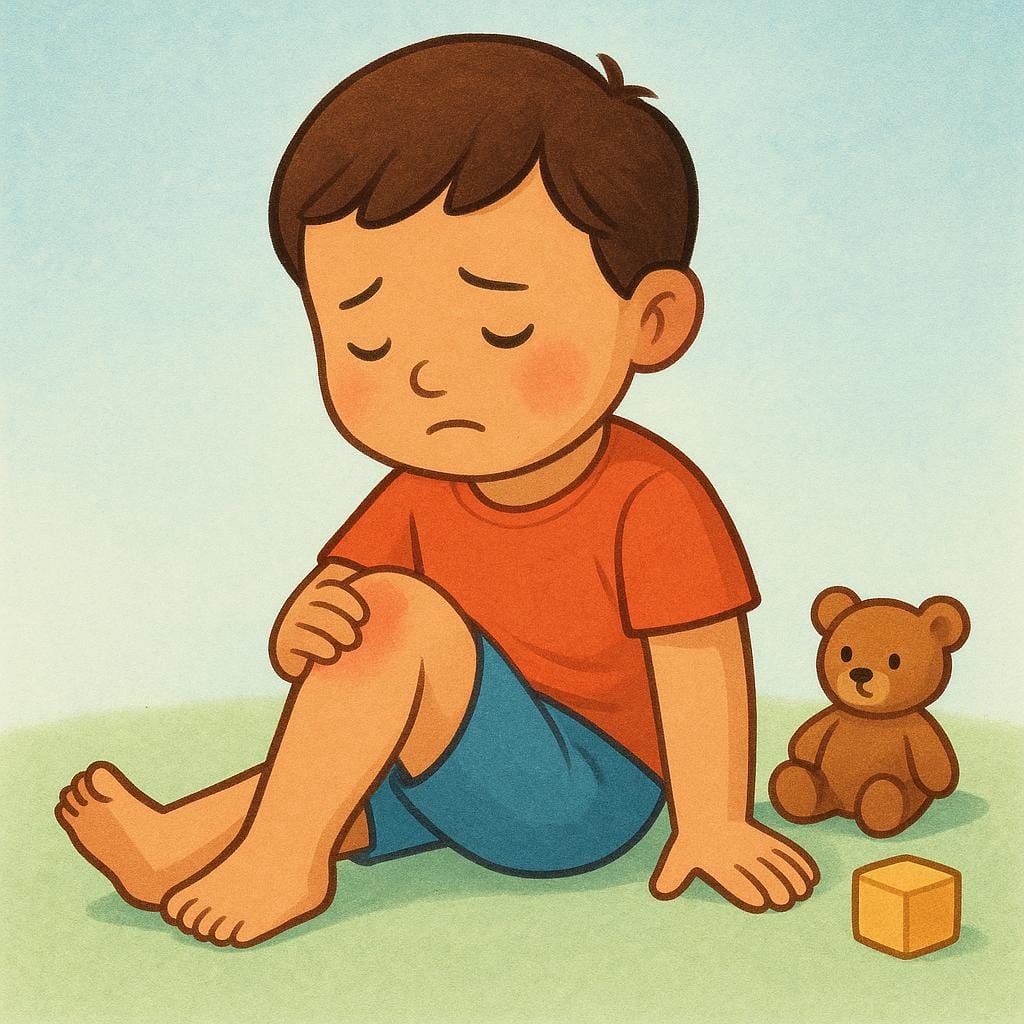
The most common Spanish word for “to ache” is “doler” — use 'doler' when referring to a continuous, persistent pain in a body part, like a dull throb or a constant discomfort.
doler
doh-LEHRdoˈleɾ
Examples
¿Te duele la espalda después de trabajar?
Does your back ache after working?
Me duelen mucho los pies por los zapatos nuevos.
My feet hurt a lot because of the new shoes.
Al dentista le dolió la cabeza todo el día.
The dentist had a headache all day (literally: The head hurt the dentist all day).
Using Doler (The 'Gustar' Structure)
Unlike English ('I hurt my leg'), Spanish phrases the sentence backward: the object (the leg) is the subject, and the person feeling the pain is the indirect object. You must use 'me, te, le, nos, os, les' first.
Singular vs. Plural
The verb 'doler' must agree with the body part that is hurting. If you have one aching body part (la cabeza), use 'duele'. If you have multiple (los pies), use 'duelen'.
Forgetting the Indirect Pronoun
Mistake: “La cabeza duele (The head hurts).”
Correction: Me duele la cabeza (My head hurts me). You must include the 'me, te, le, etc.' to say who is feeling the pain.
Using the 'Yo' form incorrectly
Mistake: “Yo duelo la pierna.”
Correction: Me duele la pierna. The 'yo' form (duelo) is almost never used naturally in this context, as you are usually describing the body part's action (duele/duelen) on you (me).
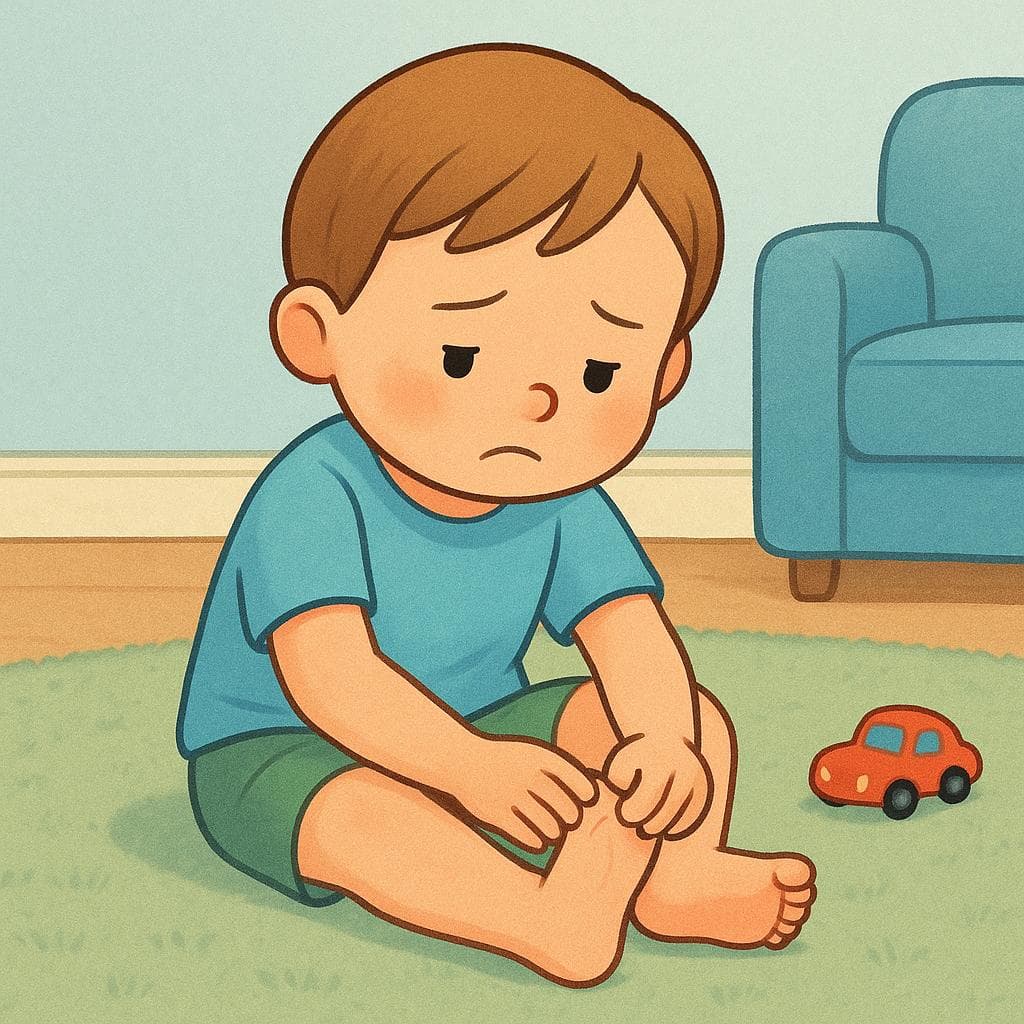
molestar
moh-lehs-tahrmolesˈtaɾ
Examples
¿Te molesta la espalda después de hacer ejercicio?
Does your back ache after exercising?
La etiqueta de la camisa me molesta mucho.
The shirt tag bothers/irritates me a lot.
El doctor preguntó si algo le molestaba al caminar.
The doctor asked if anything troubled him when walking.
Using 'Molestar' vs. 'Doler'
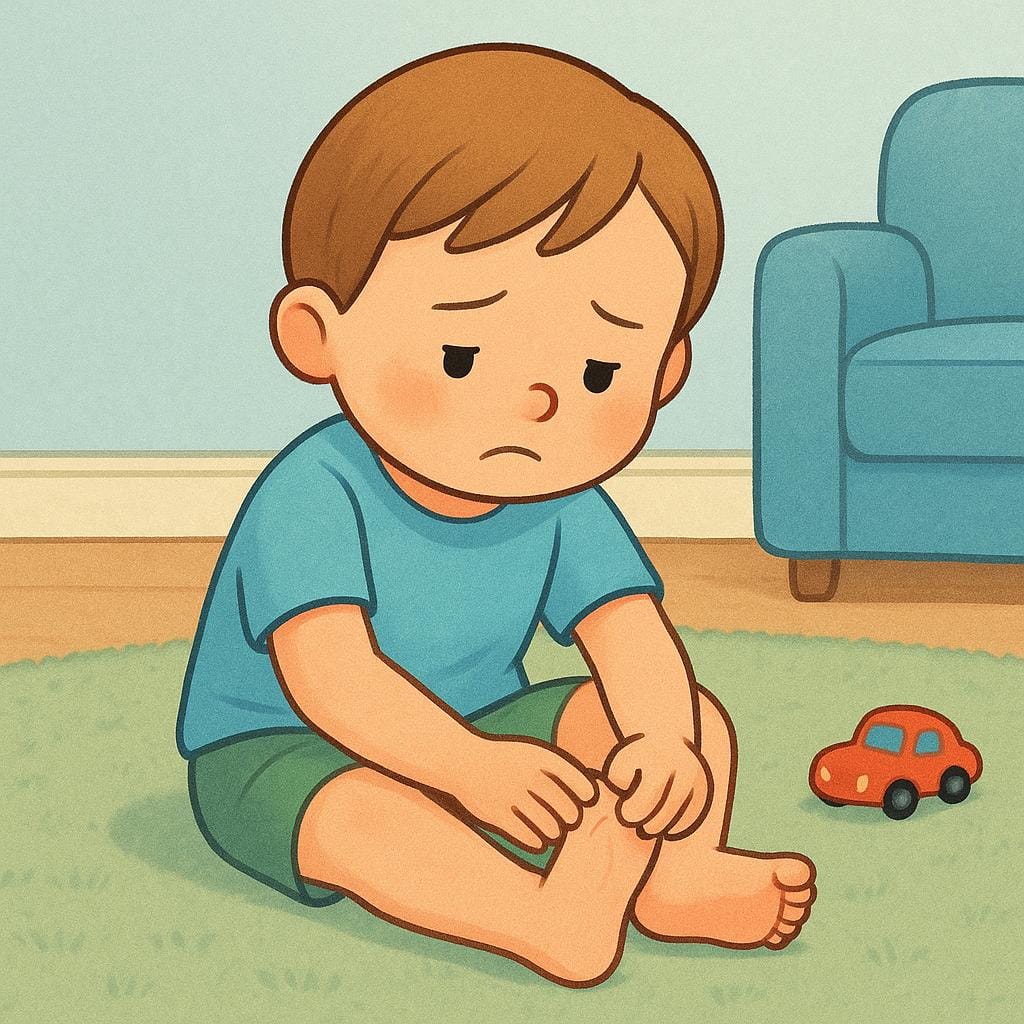
'Molestar' is usually for minor, temporary, or irritating discomfort (like a scratchy throat or a tight shoe). 'Doler' is used for actual, usually sharper pain (like a broken bone or a headache).
Doler vs. Molestar for Aches
Related Translations
Learn Spanish with Inklingo
Interactive stories, personalized learning, and more.