How to Say "to regret" in Spanish
The most common Spanish word for “to regret” is “sentir” — use 'sentir' in its common usage 'lo siento' to express general apologies or to indicate regret about not being able to do something, similar to 'I'm sorry'.
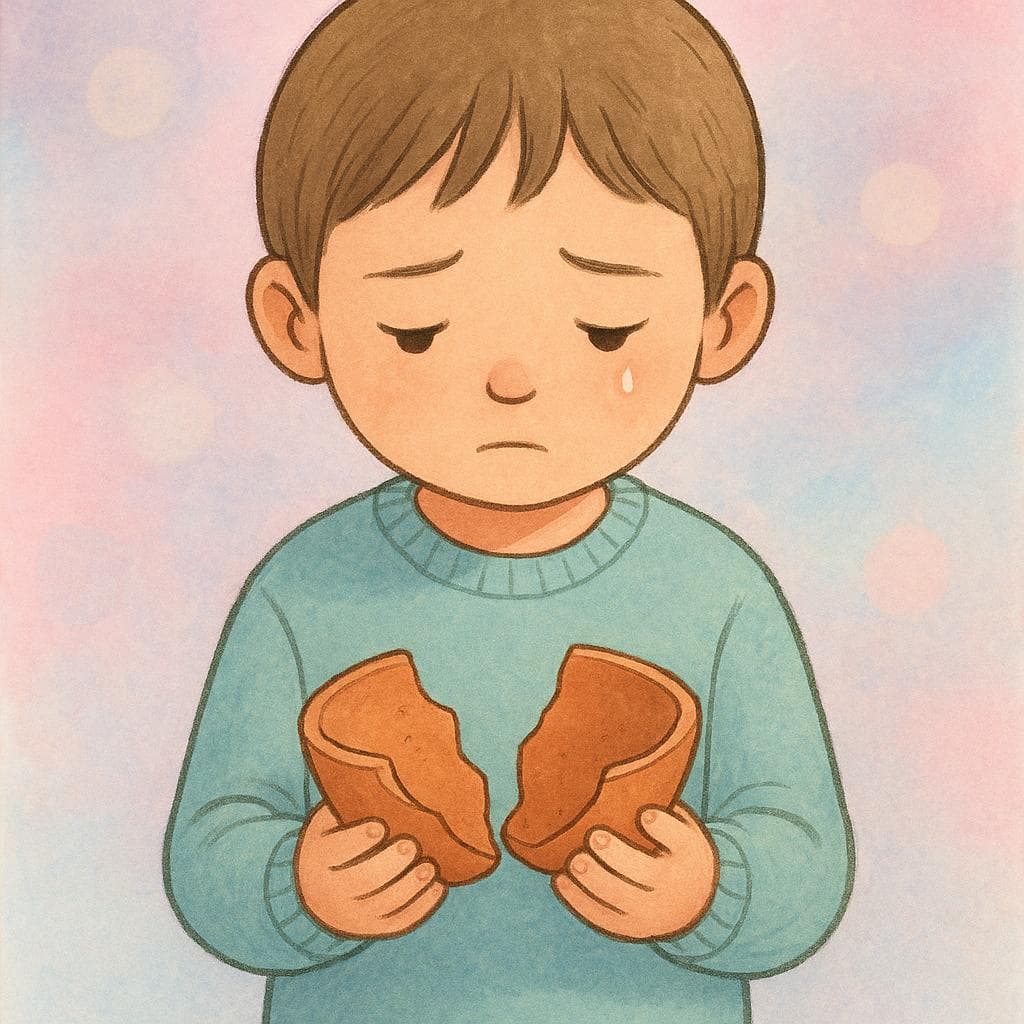
Use 'sentir' in its common usage 'lo siento' to express general apologies or to indicate regret about not being able to do something, similar to 'I'm sorry'.
Learn more →
Use 'arrepentirse' when you feel deep sorrow or remorse specifically for a past action or decision you made and wish you could change.
Learn more →
Use 'lamentar' to express formal sorrow or regret about a situation or a past event, often used in more serious contexts.
Learn more →
Use 'pesar' when you want to convey that something weighs heavily on your mind, signifying a deep, burdensome regret about a past inaction or decision.
Learn more →
Use 'doler' (often as 'me duele') to express that a situation or someone's actions cause you emotional pain or sadness, highlighting the hurt caused.
Learn more →
Use 'duele' when expressing sorrow or pain caused by a specific circumstance or someone's behavior, focusing on the feeling of being hurt.
Learn more →sen-TEERsenˈtiɾ
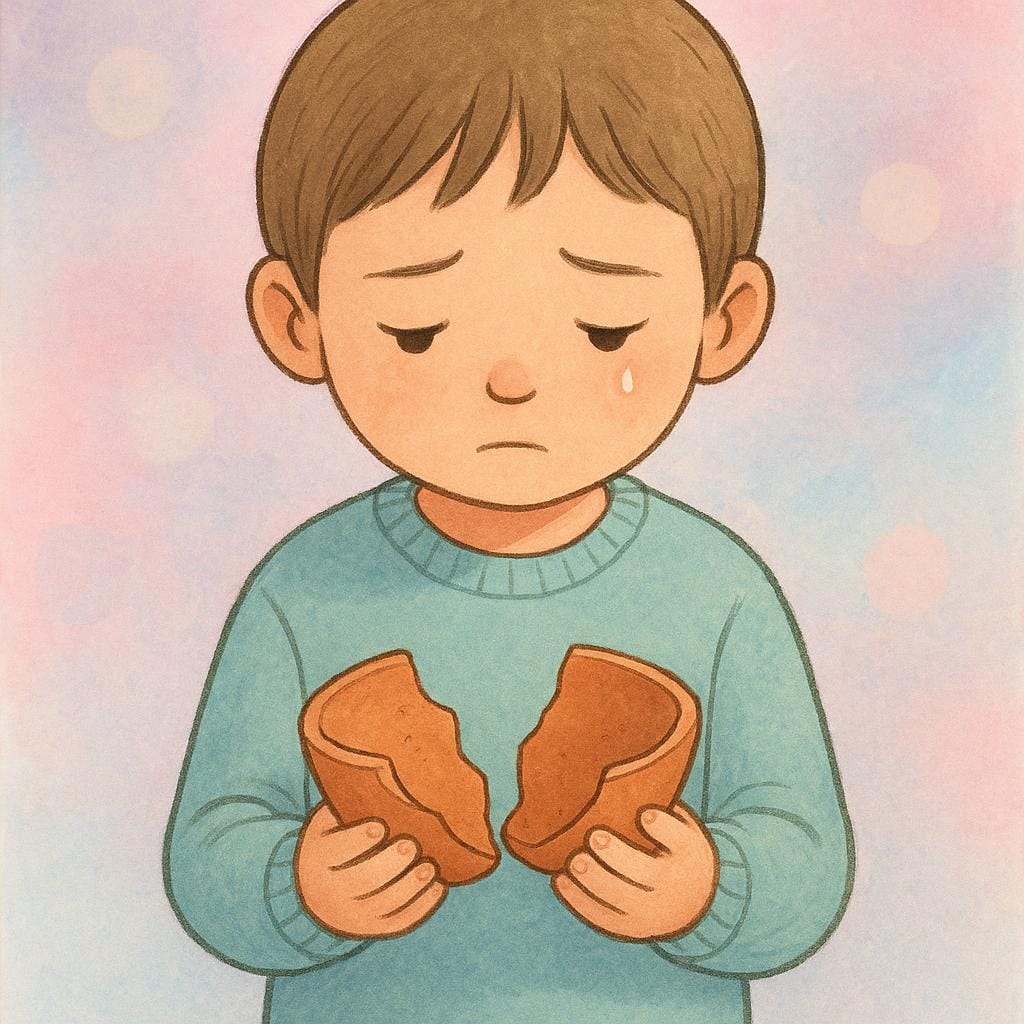
Examples
Lo siento, no puedo ir a tu fiesta.
I'm sorry, I can't go to your party.
Siento mucho lo que pasó.
I'm very sorry about what happened.
Siento haberte preocupado.
I'm sorry to have worried you.
Saying Sorry for Something
When you say you're sorry that something happened, you often use 'sentir que' followed by a special verb form (the subjunctive). For example: 'Siento que estés enfermo' (I'm sorry that you are sick).
ah-rreh-pen-TEER-seharepenˈtiɾse

Examples
Me arrepiento de no haber estudiado más.
I regret not having studied more.
Si no vas a la fiesta, te arrepentirás.
If you don't go to the party, you will regret it.
Él se arrepintió de sus palabras en cuanto las dijo.
He regretted his words as soon as he said them.
Always Reflexive
This word is 'pronominal,' which means you must always use it with 'me, te, se, nos, os, se'. You cannot just say 'arrepiento'; you must say 'me arrepiento'.
The 'De' Rule
In Spanish, you don't just regret something; you regret 'of' something. Always put the word 'de' before the thing you are sorry about.
Missing the 'De'
Mistake: “Me arrepiento la decisión.”
Correction: Me arrepiento de la decisión. (In Spanish, the verb needs the word 'de' to connect to the object.)
Stem Change Error
Mistake: “Él se arrepentió.”
Correction: Él se arrepintió. (In the past tense, the 'e' changes to 'i' for 'he/she' and 'they' forms.)
lah-men-tahrlamenˈtaɾ

Examples
Lamento mucho lo que pasó ayer.
I am very sorry about what happened yesterday.
Lamentamos informarles que el vuelo se ha cancelado.
We regret to inform you that the flight has been canceled.
Lamento que no puedas venir a la fiesta.
I'm sorry that you can't come to the party.
Using 'que' with a special verb form
When you regret that someone else is doing something, the next verb must change its form. For example: 'Lamento que llegues tarde' (I regret that you are arriving late).
Using 'lo' for general regret
If you just want to say 'I regret it,' you add 'lo' to the front: 'Lo lamento'.
Lamentar vs. Lo siento
Mistake: “Using 'lamentar' as a standalone apology like 'Sorry!'”
Correction: Use 'Lo siento' to apologize for a small mistake. Use 'Lamento...' when you are expressing deeper regret or sympathy for a specific situation.
peh-SAHRpeˈsaɾ

Examples
Me pesa no haber ido a la universidad.
I regret not having gone to university. (Literally: It weighs on me...)
A ella le pesa mucho la muerte de su abuela.
Her grandmother's death weighs heavily on her.
Aunque es una decisión difícil, no me pesa.
Although it is a difficult decision, I don't regret it.
Used like 'Gustar'
When expressing regret, 'pesar' often uses indirect object pronouns (me, te, le, nos, les) to show who feels the weight/burden, similar to how the verb 'gustar' works.
Mixing up the subject
Mistake: “Yo peso el error. (Incorrect use for regret)”
Correction: Me pesa el error. (The error is the thing weighing on 'me'.)
doh-LEHRdoˈleɾ

Examples
Me duele que no confíes en mí.
It hurts me that you don't trust me.
Le duele mucho que sus hijos no la visiten.
It pains her greatly that her children don't visit her.
Nos duele pensar en todo el tiempo perdido.
It grieves us to think about all the lost time.
Me duele que la gente no sea más amable.
It bothers me that people aren't kinder (literally: It pains me that people...).
Doler + Subjunctive
When 'doler' expresses regret or sadness about someone else's action or a situation, the verb that follows must be in the subjunctive mood (the special form for wishes and feelings): 'Me duele que vivas tan lejos.'
Mixing Physical and Emotional Contexts
Mistake: “Me duele la noticia (I hurt the news).”
Correction: Me entristece la noticia (The news saddens me). While 'doler' works, 'entristecer' or 'dar pena' are often smoother for general bad news.
DWEH-lehˈdwele

Examples
Le duele mucho que sus hijos no la visiten.
It pains her greatly that her children don't visit her.
Me duele que no confíes en mí.
It hurts me that you don't trust me.
Le duele haberte mentido.
He/She regrets having lied to you.
Me duele ver tanta injusticia en el mundo.
It pains me to see so much injustice in the world.
When an Action Hurts
When the thing that hurts you is a whole idea (like 'that you don't trust me'), you connect it with 'que'. The verb after 'que' will then use a special form for moods and feelings: 'Me duele que te vayas' (It hurts me that you're leaving).
Distinguishing 'Arrepentirse' from 'Lamentar' and 'Sentir'
Learners often confuse 'arrepentirse' with 'lamentar' and 'sentir'. Remember that 'arrepentirse' is specifically for remorse over your *own* past actions. 'Lamentar' is more formal regret about a situation, and 'sentir' (as 'lo siento') is a general apology.
Related Translations
Learn Spanish with Inklingo
Interactive stories, personalized learning, and more.