How to Say "sorrow" in Spanish
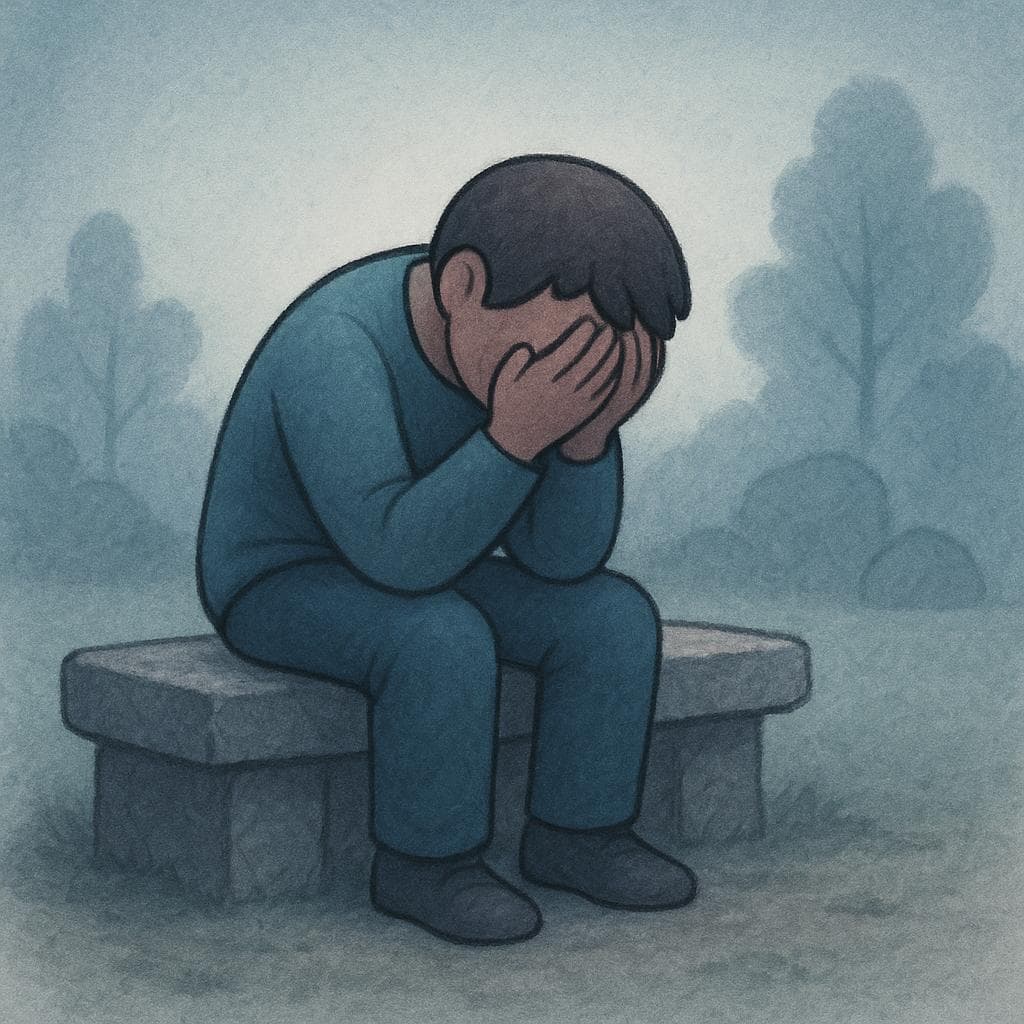
The most common Spanish word for “sorrow” is “tristeza” — use 'tristeza' for general, deep, and often prolonged unhappiness or sadness. It's the most common and versatile term.
tristeza
triss-TAY-sahtɾisˈte.sa
Examples
Sentí una gran tristeza cuando se fue.
I felt great sadness when he left.
La tristeza puede ser difícil de superar, pero es normal.
Sadness can be hard to overcome, but it is normal.
Para combatir la tristeza, a veces ayuda hablar con un amigo.
To fight sorrow, sometimes it helps to talk to a friend.
Feminine Noun
Since 'tristeza' ends in -a, it is a feminine word. Always use 'la' or 'una' before it: 'la tristeza'.
Noun vs. Adjective
Mistake: “Using 'tristeza' when you mean 'triste' (sad). E.g., 'Yo soy tristeza.'”
Correction: Use the noun 'tristeza' only when referring to the feeling itself. To say 'I am sad,' use the adjective: 'Yo estoy triste.'
pena
PEH-nahˈpena
Examples
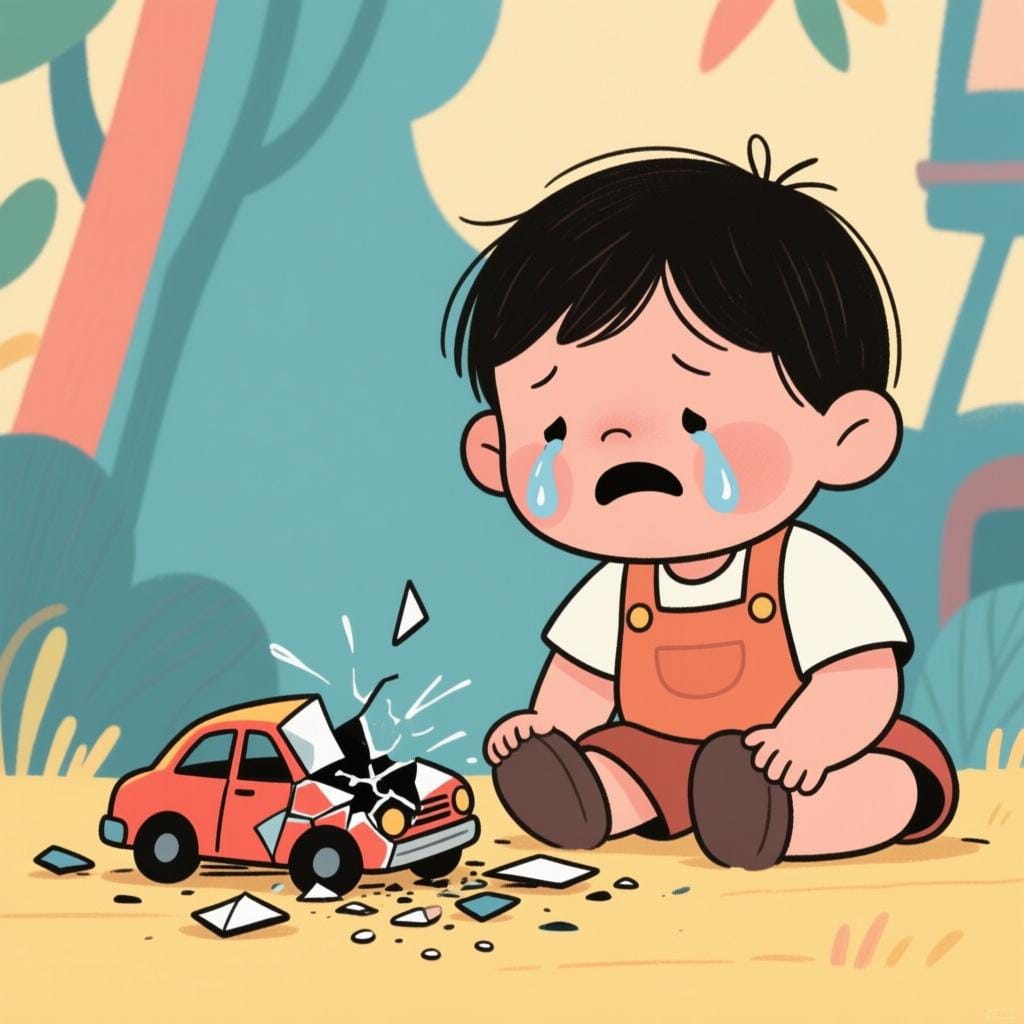
Qué pena que no puedas venir a la fiesta.
What a shame you can't come to the party.
Me da mucha pena ver a los perros en la calle.
It makes me very sad to see dogs on the street.
Siento una gran pena por su pérdida.
I feel great sorrow for their loss.
Expressing Feelings with 'Dar'
Instead of saying 'I feel sad' (Siento pena), it's very common to say something 'gives' you sadness: 'Me da pena'. Think of it like 'It gives me sadness' or 'It makes me sad'.
dolor
doh-LORdoˈloɾ
Examples
La pérdida de su abuela le causó un gran dolor.
The loss of his grandmother caused him great grief.
Es una historia llena de dolor y sufrimiento.
It's a story full of pain and suffering.
Compartimos tu dolor en este momento difícil.
We share your sorrow in this difficult time.
duelo
DWEH-lohˈdwelo
Examples
Después de la muerte de su abuelo, ella pasó por un largo duelo.
After her grandfather's death, she went through a long period of mourning (grief).
El duelo es un proceso natural y necesario.
Grief is a natural and necessary process.
La familia guardó duelo durante un año.
The family observed a period of mourning for a year.
Gender Check
Remember that 'duelo' (grief) is masculine, so you always use 'el duelo' or 'un duelo'.
Duelo vs. Dolor
Mistake: “Using 'dolor' when talking about emotional loss ('Tengo dolor por mi perro').”
Correction: Use 'duelo' for deep emotional grief related to loss, and 'dolor' for physical pain or general sadness ('Tengo duelo por mi perro').
miseria
mee-SEH-ryahmiˈse.rja
Examples
Sentía una gran miseria después de la pérdida de su mascota.
She felt great misery after the loss of her pet.
La miseria de su vida se reflejaba en sus ojos.
The wretchedness of his life was reflected in his eyes.
pesar
peh-SAHRpeˈsaɾ
Examples
Su rostro reflejaba un gran pesar.
His face reflected great sorrow.
Fue con mucho pesar que aceptaron la derrota.
It was with great regret that they accepted the defeat.
The Expression 'A pesar de'
The noun 'pesar' is most frequently encountered as part of the prepositional phrase 'a pesar de' (despite/in spite of), which is an essential B1 phrase.
Tristeza vs. Dolor
Related Translations
Learn Spanish with Inklingo
Interactive stories, personalized learning, and more.