How to Say "sadness" in Spanish
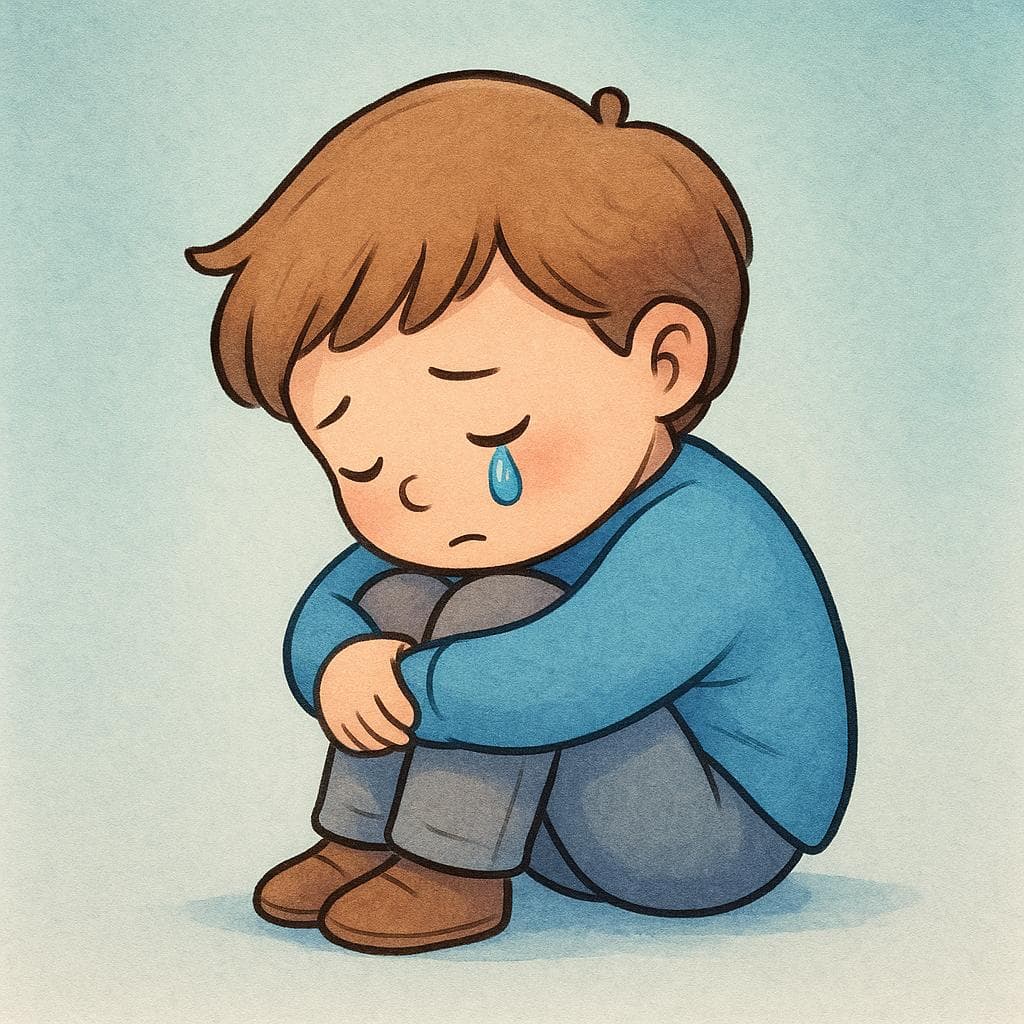
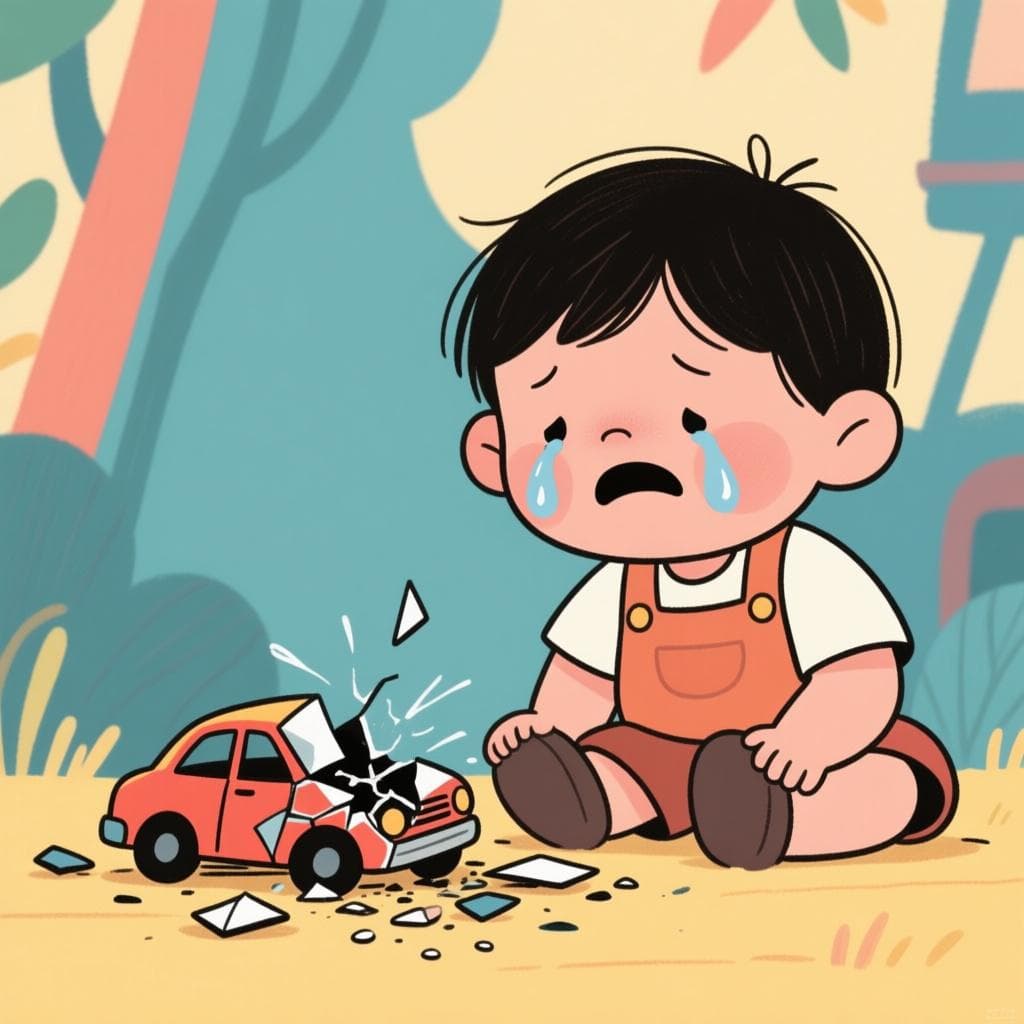
The most common Spanish word for “sadness” is “tristeza” — use 'tristeza' for a general feeling of unhappiness or a profound sense of sorrow that is not necessarily tied to a specific event.
tristeza
triss-TAY-sahtɾisˈte.sa
Examples
Sentí una gran tristeza cuando se fue.
I felt great sadness when he left.
La tristeza puede ser difícil de superar, pero es normal.
Sadness can be hard to overcome, but it is normal.
Para combatir la tristeza, a veces ayuda hablar con un amigo.
To fight sorrow, sometimes it helps to talk to a friend.
Feminine Noun
Since 'tristeza' ends in -a, it is a feminine word. Always use 'la' or 'una' before it: 'la tristeza'.
Noun vs. Adjective
Mistake: “Using 'tristeza' when you mean 'triste' (sad). E.g., 'Yo soy tristeza.'”
Correction: Use the noun 'tristeza' only when referring to the feeling itself. To say 'I am sad,' use the adjective: 'Yo estoy triste.'
pena
PEH-nahˈpena
Examples
Qué pena que no puedas venir a la fiesta.
What a shame you can't come to the party.
Me da mucha pena ver a los perros en la calle.
It makes me very sad to see dogs on the street.
Siento una gran pena por su pérdida.
I feel great sorrow for their loss.
Expressing Feelings with 'Dar'
Instead of saying 'I feel sad' (Siento pena), it's very common to say something 'gives' you sadness: 'Me da pena'. Think of it like 'It gives me sadness' or 'It makes me sad'.
Tristeza vs. Pena
Related Translations
Learn Spanish with Inklingo
Interactive stories, personalized learning, and more.