How to Say "embarrassment" in Spanish
The most common Spanish word for “embarrassment” is “vergüenza” — use 'vergüenza' when referring to the emotional feeling of shame, awkwardness, or self-consciousness, especially in a more formal or intense context.
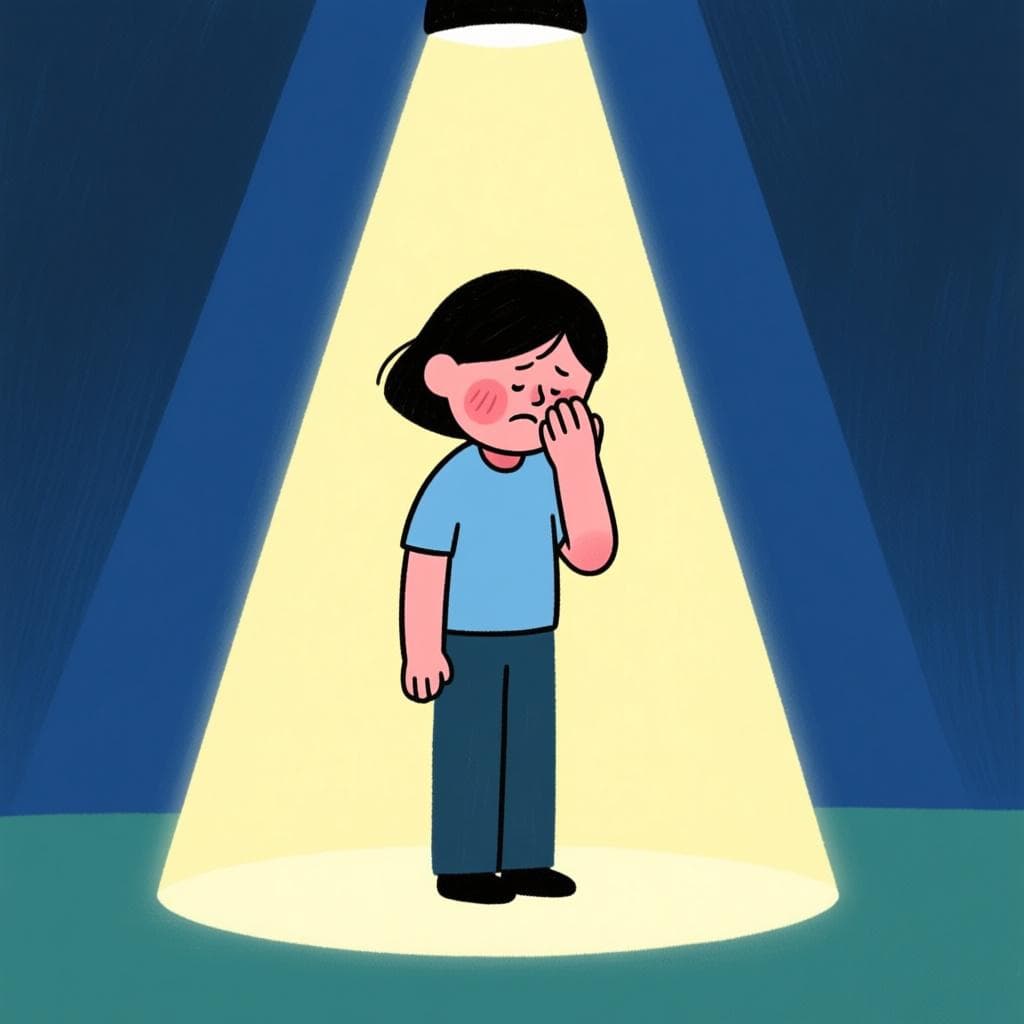

vergüenza
Examples
Me dio mucha vergüenza hablar en público por primera vez.
I felt a lot of embarrassment speaking in public for the first time.
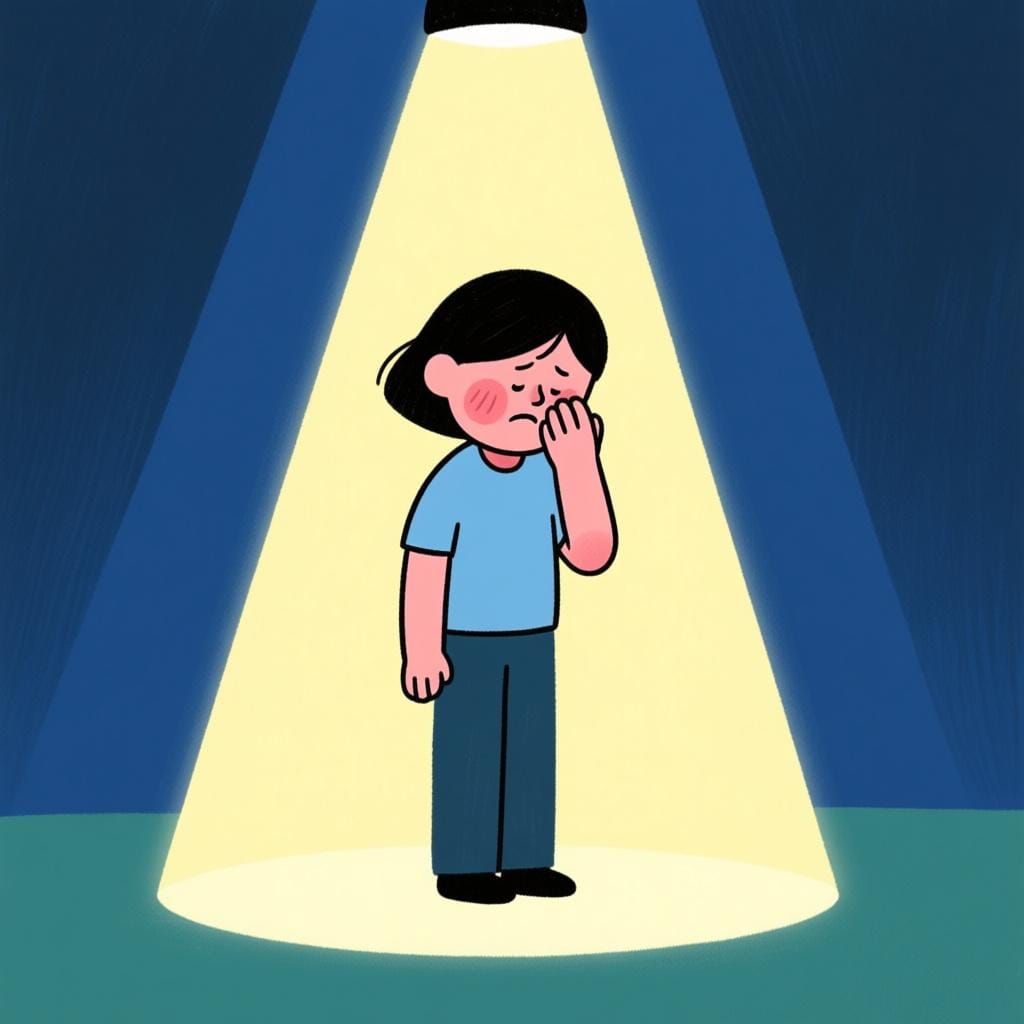
pena
PEH-nahˈpena
Examples
Me da pena hablar en público.
I get embarrassed speaking in public.
No tengas pena, pregunta lo que quieras.
Don't be shy, ask whatever you want.
A mi hijo le da pena hablar con adultos.
My son is shy about talking to adults.
Confusing Sadness and Shyness
Mistake: “Thinking 'Me da pena' always means 'It makes me sad'.”
Correction: Context is key! If someone is about to perform or speak, 'Me da pena' almost always means 'I'm embarrassed/nervous'. If they are talking about a sad situation, it means 'It makes me sad'.
apuro
ah-POO-rohaˈpuɾo

Examples
Tu ayuda me sacó de un gran apuro.
Your help got me out of a big predicament.
No quiero ponerte en un apuro, pero necesito el dinero.
I don't want to put you in a tight spot, but I need the money.
Using the Plural
While you can be in 'un apuro' (one predicament), Spanish speakers often use the plural 'en apuros' to say they are generally 'in trouble' or 'in a jam'.
Apuro vs. Apurado
Mistake: “Using 'tengo apuro' when you mean 'I am embarrassed'.”
Correction: Say 'estoy avergonzado' for embarrassment. 'Tengo apuro' means you are in a rush or 'Me da apuro' means something feels socially awkward to do.
Feeling vs. Situation
Learn Spanish with Inklingo
Interactive stories, personalized learning, and more.